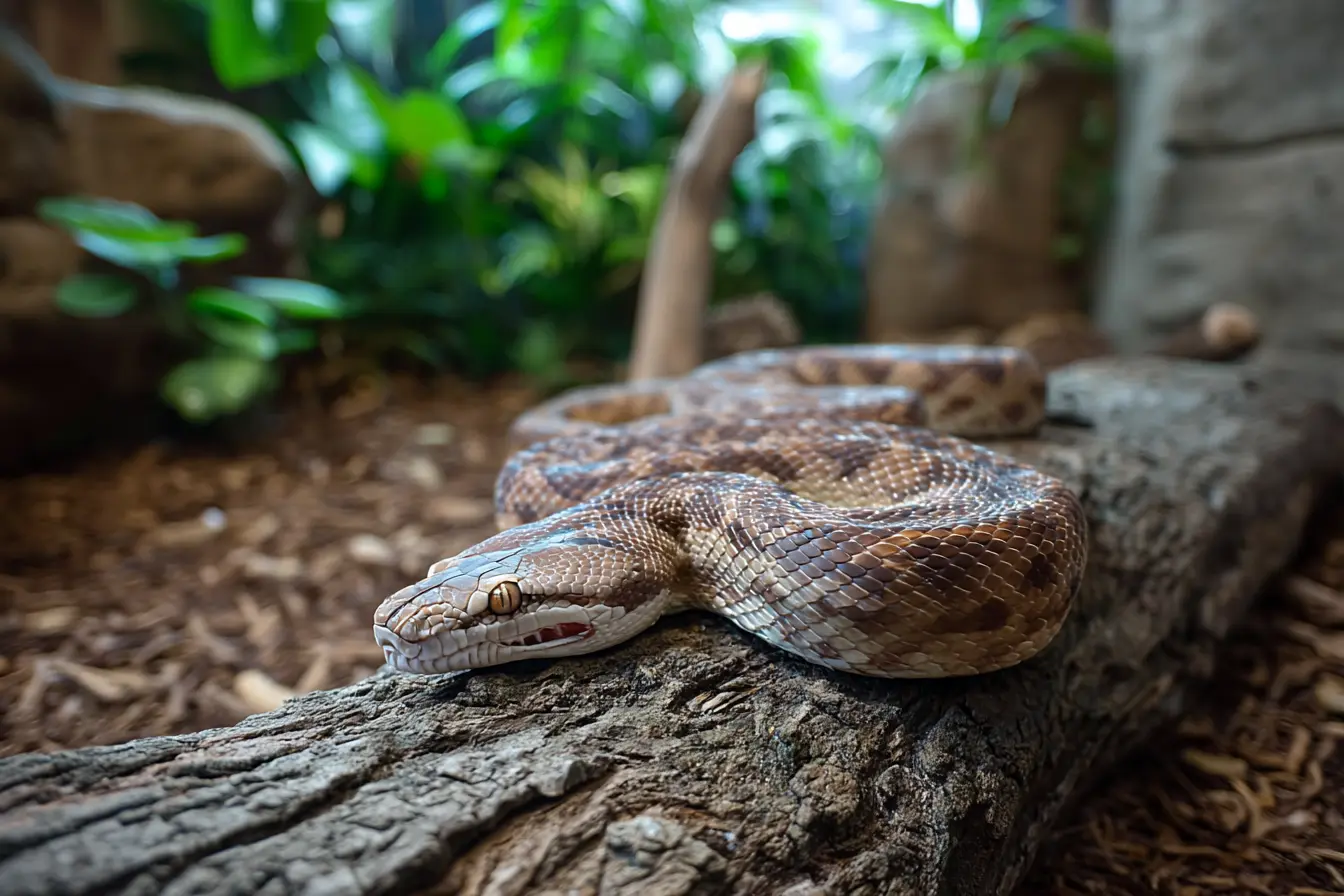
The Children’s python (Antaresia childreni) is one of the smallest members of the python family and has long been celebrated as an ideal species for beginners and experienced keepers alike. Native to northern Australia, this charming snake is known for its manageable size, gentle temperament, and beautiful iridescent scales that shimmer under light.
Despite its name, this python is not specifically for children, but it does make a superb choice for anyone looking for a calm, hardy, and easy-to-care-for pet snake. In this guide, we’ll explore everything you need to know about keeping a Children’s python happy and healthy in captivity.
Origins and Natural Habitat
The Children’s python is found across the northern regions of Australia, particularly in Queensland, the Northern Territory, and Western Australia. It thrives in a range of habitats, including rocky outcrops, woodlands, and semi-arid areas.
In the wild, these snakes are often seen hiding in rock crevices or beneath bark during the day and hunting small mammals, reptiles, and birds at night. Understanding this environment helps keepers replicate their natural conditions in captivity.
Appearance and Temperament
Physical Traits
Size: Adults reach around 90–120 cm in length, with exceptional individuals growing slightly larger
Colouration: Varies from rich brown to reddish-brown, with darker blotches or speckles that fade with age
Scales: Highly iridescent, giving the snake a beautiful rainbow sheen when light hits its body
Build: Slender yet muscular, with a short, slightly pointed head
Behaviour and Temperament
Children’s pythons are known for their calm and tolerant nature. Hatchlings may be defensive and quick to strike, but they soon settle with gentle, regular handling. Adults are typically placid and inquisitive, often exploring their surroundings when handled.
Their intelligence and confidence make them a joy to keep, and their smaller size means they are much easier to manage than many larger python species.
Housing Requirements
A well-designed enclosure that offers warmth, security, and climbing opportunities will allow a Children’s python to thrive.
Enclosure Size
Hatchlings: 60 cm x 45 cm x 30 cm enclosure
Adults: Minimum 90 cm x 45 cm x 45 cm vivarium
Wooden vivariums are ideal for maintaining stable temperatures in the UK climate. Ensure the enclosure has good ventilation and a secure lid, as these snakes are adept climbers and can squeeze through small gaps.
Heating and Temperature Gradient
Warm end: 32–33°C
Cool end: 25–26°C
Night-time: Drop to around 22°C
Use a ceramic heat emitter or heat mat controlled by a thermostat to provide a stable temperature gradient. Monitor with digital thermometers at both ends of the enclosure to ensure consistency.
Lighting and UVB
While Children’s pythons are mainly nocturnal, providing a low-level UVB light (2–5%) supports natural vitamin D3 synthesis and overall wellbeing. Maintain a 12-hour light cycle to mimic day and night.
Humidity and Water
Maintain humidity around 40–60%. Misting occasionally and providing a medium-sized water bowl for soaking will assist during shedding. Avoid excessive dampness to prevent respiratory issues.
Substrate and Furnishings
Substrate: Aspen, cypress mulch, or a soil and sand mix
Hides: Provide at least two hides - one on the warm end and one on the cool end
Decor: Include branches, cork bark, and climbing structures, as these snakes enjoy exploring
They appreciate a cluttered, naturalistic setup that allows them to feel secure while offering opportunities for enrichment.
Diet and Feeding
Children’s pythons are carnivorous constrictors, feeding primarily on small mammals and birds in the wild.
Feeding Schedule
Juveniles: Every 7 days
Adults: Every 10–14 days
Food Items
Feed appropriately sized frozen-thawed rodents. Pinkie or fuzzy mice for hatchlings and adult mice for mature snakes work well. The prey item should be about as wide as the snake at its thickest point.
Always thaw frozen prey fully and warm it to room temperature before offering. Feeding with tongs reduces the risk of accidental bites.
Feeding Tips
Avoid handling your snake for at least 48 hours after feeding to allow proper digestion. Remove uneaten food after 12 hours to maintain hygiene.
Handling and Interaction
Children’s pythons are one of the most handleable snake species, making them an excellent choice for keepers who enjoy interacting with their reptiles.
Handle gently and regularly to build trust
Always support the snake’s full body and avoid sudden movements
Keep handling sessions short at first, gradually increasing duration as the snake becomes more confident
Avoid handling immediately after feeding or during shedding
With regular, calm interaction, they become curious and relaxed companions.
Common Health Concerns
Shedding Problems
Inadequate humidity can cause incomplete sheds. Providing a moist hide and maintaining proper humidity will prevent this.
Respiratory Infections
Usually the result of low temperatures or excess moisture. Symptoms include wheezing, bubbling around the nostrils, or lethargy.
Mites and Parasites
External mites cause irritation and can transmit disease. Keep the enclosure clean and quarantine new reptiles before introducing them.
Obesity
Overfeeding and lack of exercise can lead to weight gain. Adjust feeding schedules and ensure the enclosure allows for climbing and movement.
Routine checks and good husbandry will keep your snake healthy and thriving.
Lifespan and Breeding
Children’s pythons are long-lived snakes, often living 20–25 years in captivity with proper care.
Breeding is well-established and relatively straightforward. Females lay between 10–20 eggs, which hatch after about 50–60 days at 31°C. Females often coil around their eggs to provide protection and warmth until hatching.
Conclusion
The Children’s python is a delightful and hardy species that embodies everything a good pet snake should be. Its compact size and gentle temperament make it ideal for keepers seeking a rewarding first python or a low-maintenance addition to an existing collection.
By providing the right temperature gradient, humidity, and a secure, enriching environment, you can ensure your Children’s python lives a long, healthy, and content life. With proper care, these small yet stunning snakes will bring years of quiet fascination to any reptile enthusiast.
Quick questions
- What should I know about children’s python?
- The Children's python, native to northern Australia, is a popular choice for snake enthusiasts due to its manageable size and gentle nature. Vet Verified can help you compare UK veterinary practices by location, species, services and opening hours before you call.
- When should I contact a vet about children’s python?
- Contact a veterinary practice if your pet seems unwell, symptoms are getting worse, you are unsure what to do, or the situation may be urgent. Vet Verified helps you compare practice details, but a vet should advise on your pet's current care.
- Can Vet Verified help me find exotic vets?
- Yes. Use Vet Verified to compare exotic vets across the UK, then check practice profiles and call directly to confirm current availability.
Find a vet
Find a veterinary practice
Compare UK veterinary practices related to this topic. Call the practice to confirm its current services and availability.
Search by species
- Exotic vets Find UK veterinary practices that list care for exotic pets. Compare opening hours, services, facilities and verified profiles, then contact a practice directly.
- Bird vets Find UK veterinary practices that list care for birds. Compare opening hours, services, facilities and verified profiles, then contact a practice directly.