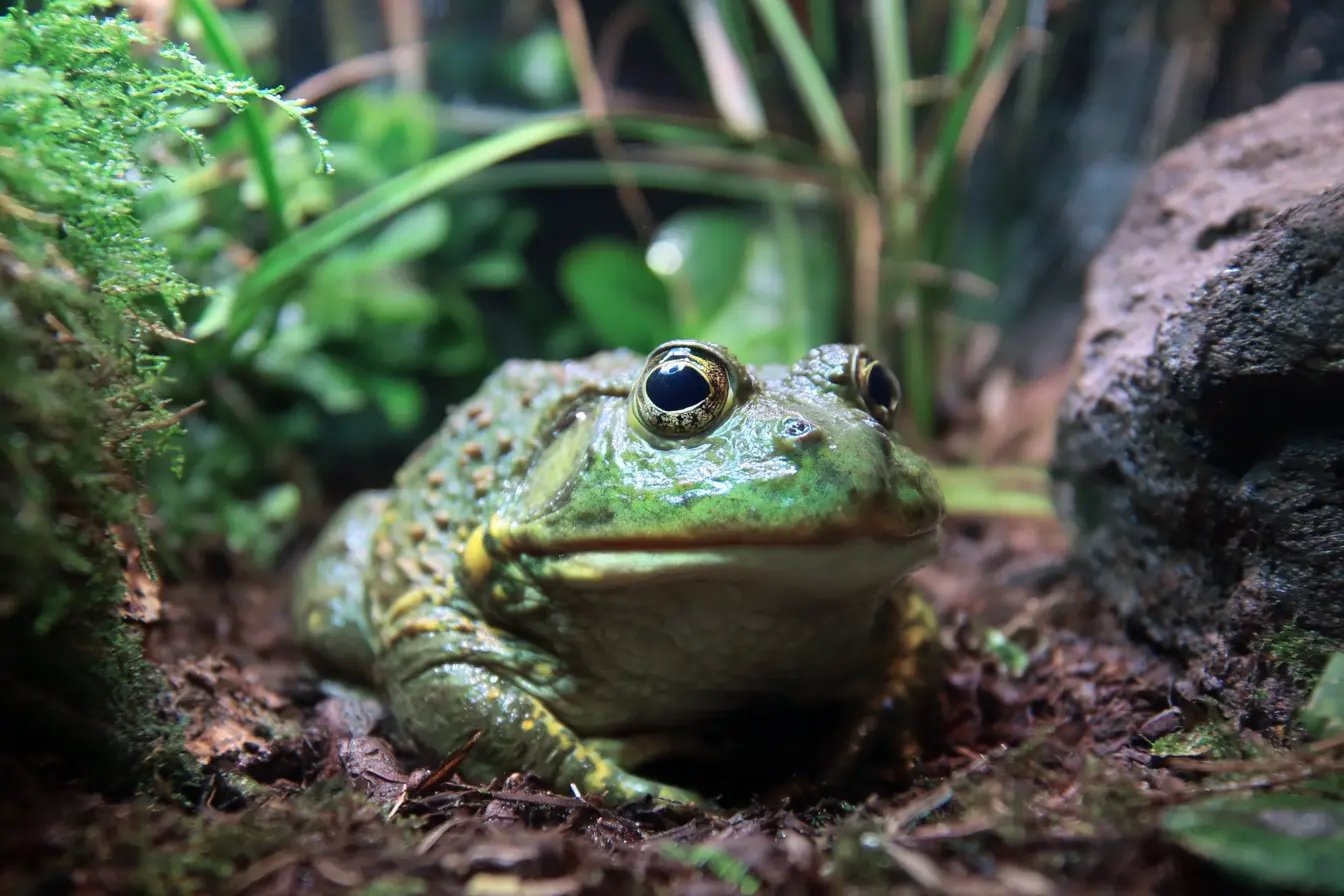
Aestivation is a natural survival strategy used by many amphibian species to cope with hot, dry, or otherwise challenging environmental conditions. Similar to hibernation but occurring during the warmer months, aestivation allows amphibians to reduce their metabolic activity, conserve moisture, and survive periods of environmental stress. For amphibian keepers, understanding aestivation is essential for interpreting changes in behaviour and ensuring the health and well-being of their animals.
This guide explores what aestivation is, how to recognise it, species that commonly aestivate, and how to manage it in a captive setting.
What Is Aestivation?
Definition
Aestivation is a state of dormancy that amphibians enter during hot or dry periods. During this time, they drastically reduce their activity levels, stop eating, and often bury themselves or hide away in cool, moist refuges to avoid dehydration and overheating.
Purpose
In the wild, aestivation enables amphibians to:
Survive droughts and extreme heat.
Avoid conditions unsuitable for feeding or breeding.
Conserve energy until environmental conditions improve.
Species That Commonly Aestivate
Examples of Aestivating Amphibians
Cranwell’s Horned Frog (Ceratophrys cranwelli): Known for forming a tough cocoon of shed skin to reduce moisture loss.
Chubby Frog (Kaloula pulchra): Burrows underground during dry seasons.
African Bullfrog (Pyxicephalus adspersus): Aestivates in burrows lined with a protective cocoon.
Spadefoot Toads (Scaphiopus spp. and Pelobates spp.): Spend most of the year underground in aestivation, emerging only during rainy seasons.
Some Salamanders: Certain terrestrial species, like the fire salamander (Salamandra salamandra), may reduce activity during hot summer months.
Recognising Aestivation in Captivity
Typical Signs
Burrowing deep into the substrate or hiding for extended periods.
Complete lack of appetite without signs of illness.
Minimal movement, with the animal remaining in one spot.
Duller colouration or a ‘waxy’ appearance in some species.
Formation of a protective cocoon (not all species do this).
Important Distinction
Aestivation should not be confused with illness. Key differences include:
Healthy skin and eyes (no sores, lesions, or signs of infection).
Steady but reduced breathing.
Clear environmental triggers (such as increased temperature or decreased humidity).
Managing Aestivation in Captivity
Should You Allow It?
Natural Response: In many cases, allowing aestivation can be healthy and mimic natural cycles, especially if your species originates from a habitat with seasonal changes.
Optional in Captivity: Some keepers prevent aestivation by maintaining stable temperatures and humidity, though this can lead to unnatural stress in species that expect seasonal cues.
Guidelines for Safe Aestivation
Monitor Environmental Conditions: Ensure temperatures do not exceed species-specific safe limits.
Humidity Management: Provide a moist refuge, even during aestivation, to prevent dehydration.
Minimal Disturbance: Avoid unnecessary handling or enclosure rearrangement during aestivation.
Observation: Perform periodic visual checks to ensure no signs of illness develop.
Short-Term Water Access: Some keepers offer brief access to water every few weeks to prevent dehydration, especially in captivity.
Ending Aestivation
To bring your amphibian out of aestivation:
Gradually increase humidity and slightly reduce enclosure temperatures if possible.
Offer small, easy-to-digest food items after they emerge.
Be patient—some individuals may take several days or weeks to resume normal activity.
Risks and Considerations
Potential Risks
Dehydration: Prolonged dry conditions without access to moisture can be fatal.
Misidentification of Illness: Failing to distinguish between aestivation and sickness can delay treatment.
Nutritional Impact: Extended periods without food can weaken individuals if not properly monitored.
When to Intervene
If the animal shows signs of weight loss, skin issues, or dehydration.
If aestivation persists far beyond the natural duration for the species (e.g., many months without improvement).
If environmental conditions in your home (not just the enclosure) are contributing to stress.
Conclusion
Aestivation is a fascinating and natural part of many amphibians’ life cycles. Understanding this dormant state helps keepers provide more naturalistic care and avoid unnecessary panic when animals reduce activity levels during warmer months. While it can be safely managed in captivity, always observe your amphibians carefully and adjust care based on species-specific needs.
By recognising and respecting aestivation, keepers can better replicate natural conditions, ensuring their amphibians remain healthy, stress-free, and thrive for many years.
Quick questions
- What should I know about aestivation?
- Aestivation in amphibians is a summer dormancy state akin to hibernation, allowing them to survive hot or dry conditions by conserving water and reducing metabolism. Key species include Cranwell’s Horned Frog and African Bullfrog. Vet Verified can help you compare UK veterinary practices by location, species, services and opening hours before you call.
- When should I contact a vet about aestivation?
- Contact a veterinary practice if your pet seems unwell, symptoms are getting worse, you are unsure what to do, or the situation may be urgent. Vet Verified helps you compare practice details, but a vet should advise on your pet's current care.
- Can Vet Verified help me find exotic vets?
- Yes. Use Vet Verified to compare exotic vets across the UK, then check practice profiles and call directly to confirm current availability.
Find a vet
Find a veterinary practice
Compare UK veterinary practices related to this topic. Call the practice to confirm its current services and availability.