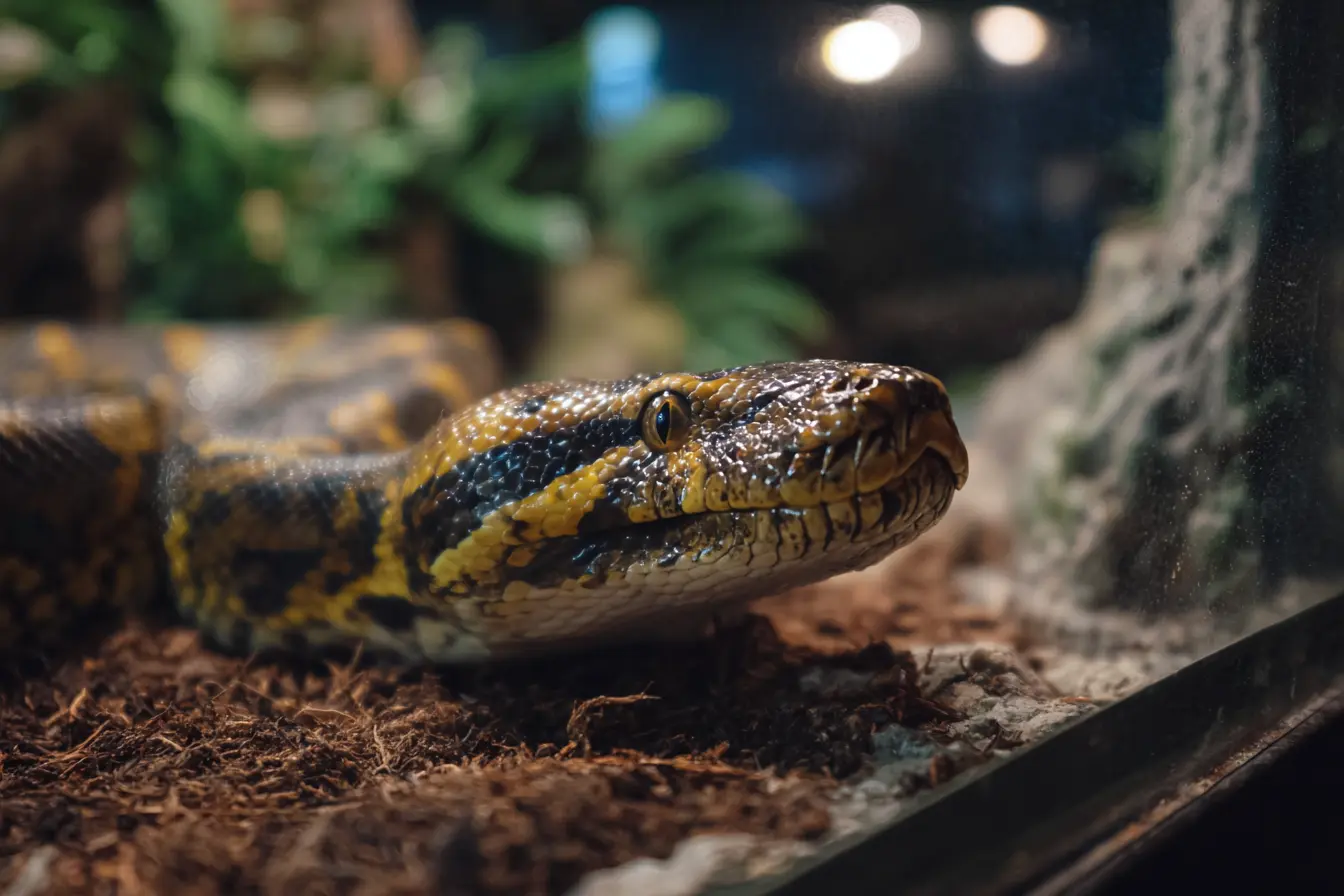
The carpet python (Morelia spilota) is one of the most recognisable and widely kept snake species in the reptile-keeping community. Native to Australia, Papua New Guinea, and parts of Indonesia, this medium-to-large constrictor combines stunning patterning, manageable size, and intelligence, making it a favourite among both novice and experienced keepers in the UK.
With a variety of subspecies and morphs available, carpet pythons offer something for every enthusiast. In this guide, we’ll explore everything you need to know about caring for this remarkable species, from housing and diet to temperament and health.
Origins and Natural Habitat
Carpet pythons are found across diverse habitats throughout their range, including dry forests, grasslands, rocky outcrops, and suburban areas. The species is divided into several subspecies, such as the jungle carpet python, coastal carpet python, and diamond python, each adapted to slightly different conditions.
Their adaptability in the wild translates well into captivity, where they tolerate a range of environmental conditions, provided their basic needs for warmth, humidity, and space are met.
Appearance and Temperament
Physical Traits
Size: Adults typically reach 1.8–2.5 metres, depending on subspecies
Colouration: A mix of gold, brown, black, and cream in intricate, carpet-like patterns
Build: Muscular and semi-arboreal, with a slender body and triangular head
Behaviour and Temperament
Carpet pythons are intelligent, alert, and often active, especially at dusk and during the night. Young snakes can be defensive or nippy at first, but with regular, calm handling they usually become placid and confident adults.
Their curiosity and tolerance for handling make them an excellent choice for those looking for a striking yet interactive pet snake.
Housing Requirements
Creating an environment that reflects the natural behaviour of a carpet python is essential for its well-being. These snakes need room to climb, stretch out, and thermoregulate effectively.
Enclosure Size
Juveniles: 90 cm x 45 cm x 45 cm vivarium
Adults: 150–180 cm x 60 cm x 60 cm or larger, depending on size and subspecies
Wooden vivariums are ideal for maintaining stable temperatures in the UK. Ensure the enclosure has secure ventilation and is escape-proof, as carpet pythons are strong and inquisitive.
Heating and Temperature Gradient
Warm end: 31–33°C
Cool end: 25–26°C
Night-time: Allow a gentle drop to around 23°C
Use a ceramic heat emitter or deep-heat projector controlled by a thermostat. Provide branches and hides at both temperature zones to let the snake choose its preferred spot.
Lighting and UVB
While carpet pythons are primarily nocturnal, they still benefit from low-level UVB lighting (2–7%), which supports natural vitamin D3 synthesis and bone health. A 12-hour day/night cycle is recommended.
Lighting also helps regulate their activity patterns and enhances their natural colouration.
Humidity and Water
Maintain humidity around 50–60%. Misting occasionally and providing a large water bowl for soaking will help during shedding cycles. Clean the water regularly and monitor humidity with a hygrometer to avoid overly damp conditions.
Furnishings and Substrate
Substrate: Aspen, cypress mulch, or a soil and sand mix works well
Decor: Provide sturdy branches, cork bark, and rocks for climbing and enrichment
Hides: At least two hides - one on the warm side and one on the cool side
Carpet pythons are semi-arboreal, so ensure the enclosure includes vertical space and climbing opportunities.
Diet and Feeding
Carpet pythons are opportunistic feeders in the wild, consuming mammals, birds, and occasionally reptiles. In captivity, their diet should be varied but controlled to prevent obesity.
Feeding Schedule
Juveniles: Every 7–10 days
Adults: Every 2–3 weeks
Food Items
Offer appropriately sized frozen-thawed rodents or chicks. The prey should be roughly equal to the snake’s widest body section.
Feeding with tongs helps avoid accidental bites and encourages safe feeding habits. Always thaw food thoroughly and warm it to room temperature before offering.
Feeding Tips
Avoid overfeeding. These snakes have slow metabolisms and can gain weight easily in captivity. Provide a fast day after a shed to allow the snake’s system to adjust.
Handling and Behaviour
Carpet pythons are known for their intelligence and awareness. With time and patience, most individuals become calm and tolerant of handling.
Handling Guidelines
Wash hands before and after handling
Support the snake’s full body. Never grab it by the head or tail
Avoid handling for 48 hours after feeding to prevent regurgitation
Handle regularly but gently to maintain a calm temperament
These snakes can become quite interactive, often exploring their surroundings with curiosity during handling sessions.
Common Health Concerns
Respiratory Infections
Caused by poor ventilation or incorrect temperatures. Symptoms include wheezing, open-mouth breathing, or bubbles around the nostrils.
Shedding Issues
Insufficient humidity can lead to incomplete sheds. Provide a moist hide or increase misting when the eyes turn milky.
Mouth Rot (Stomatitis)
Identified by redness, swelling, or discharge from the mouth. Seek veterinary care promptly.
Mites and Parasites
External mites cause irritation and restlessness. Quarantine new snakes and clean the enclosure thoroughly to prevent infestations.
Good husbandry, hygiene, and regular observation are the best preventative measures for maintaining health.
Lifespan and Breeding
Carpet pythons can live for 20–30 years in captivity with proper care. Breeding is well-established among experienced keepers.
Mature females lay clutches of 10–25 eggs, which incubate for about 60 days at 31°C. Females may coil around the eggs for protection and thermoregulation, displaying impressive maternal behaviour.
Conclusion
The carpet python is one of the most versatile and rewarding snakes in the reptile-keeping world. With its striking patterns, manageable size, and curious personality, it appeals to keepers of all levels who are prepared to provide the right environment and care.
By offering a spacious vivarium, proper heating and lighting, and a balanced diet, you can enjoy the companionship of this stunning species for decades. Whether you choose a jungle, coastal, or diamond carpet python, each variety offers a glimpse into the beauty and diversity of Australia’s remarkable reptiles.
Quick questions
- What should I know about carpet python?
- The carpet python, native to Australia, Papua New Guinea, and Indonesia, is a popular choice for UK reptile enthusiasts. Vet Verified can help you compare UK veterinary practices by location, species, services and opening hours before you call.
- When should I contact a vet about carpet python?
- Contact a veterinary practice if your pet seems unwell, symptoms are getting worse, you are unsure what to do, or the situation may be urgent. Vet Verified helps you compare practice details, but a vet should advise on your pet's current care.
- Can Vet Verified help me find exotic vets?
- Yes. Use Vet Verified to compare exotic vets across the UK, then check practice profiles and call directly to confirm current availability.
Find a vet
Find a veterinary practice
Compare UK veterinary practices related to this topic. Call the practice to confirm its current services and availability.
Search by species
- Exotic vets Find UK veterinary practices that list care for exotic pets. Compare opening hours, services, facilities and verified profiles, then contact a practice directly.
- Bird vets Find UK veterinary practices that list care for birds. Compare opening hours, services, facilities and verified profiles, then contact a practice directly.