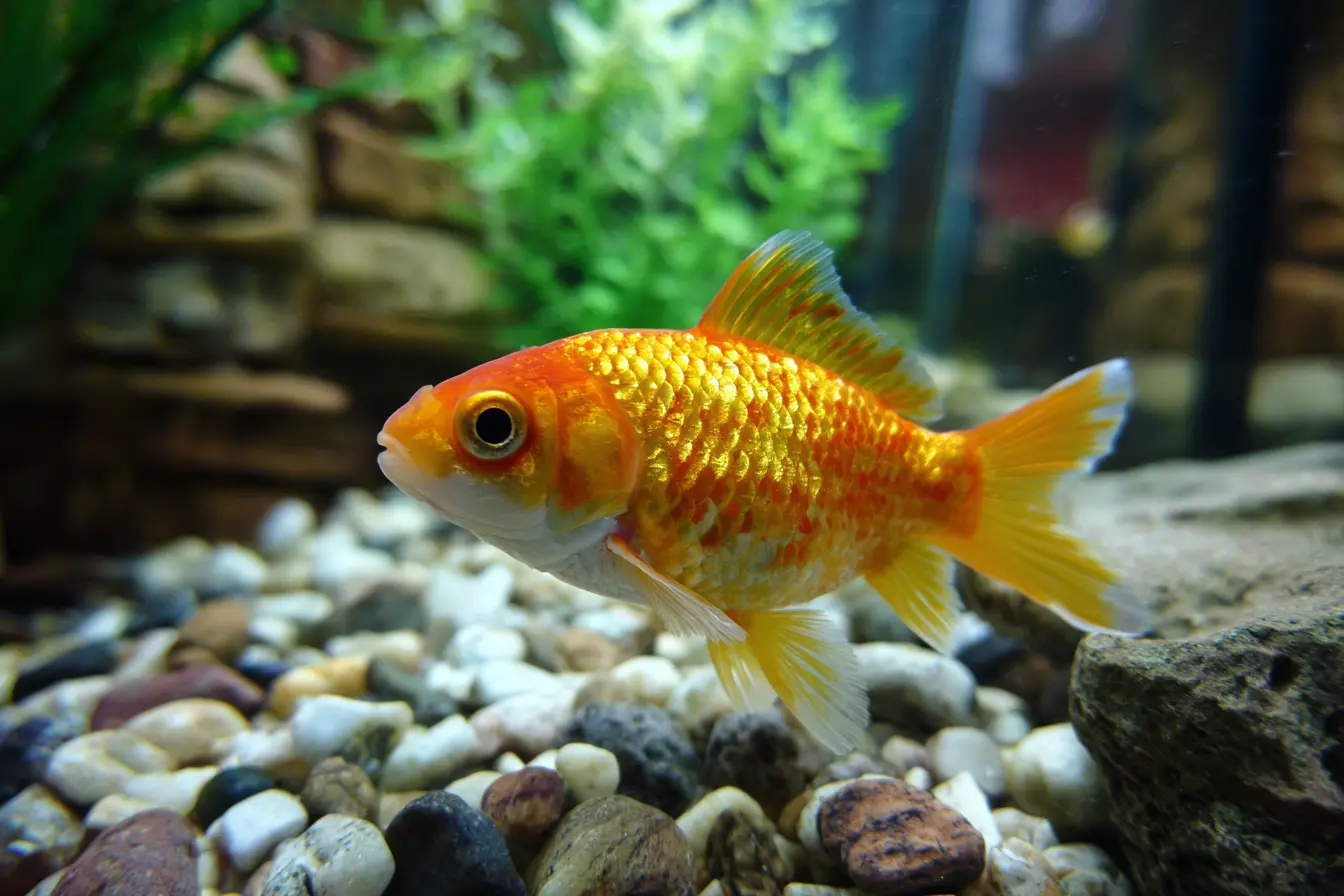
Swim bladder disease is a common but often misunderstood condition in aquarium fish. It affects a fish’s ability to control buoyancy, leading to problems with swimming and balance. While it can look alarming, swim bladder issues are often treatable, especially when the underlying cause is identified early.
This guide explains what swim bladder disease is, how to recognise it, what causes it, how to treat it, and how to prevent it in the future.
What Is the Swim Bladder?
The swim bladder is an internal, gas-filled organ that helps fish maintain buoyancy and stability in the water. By adjusting the amount of gas in the swim bladder, fish can rise, sink, or hover effortlessly.
Problems occur when the swim bladder becomes compressed, inflamed, damaged, or otherwise unable to function correctly. “Swim bladder disease” is a general term used to describe these buoyancy disorders rather than a single disease.
Signs of Swim Bladder Disease
Symptoms can vary depending on the cause and severity, but common signs include:
Difficulty maintaining balance
Floating at the surface or sinking to the bottom
Swimming on one side or upside down
Struggling to swim normally
Reduced appetite
Lethargy
Distended abdomen (in some cases)
Despite the swimming difficulty, affected fish may otherwise appear alert and responsive, especially in mild cases.
Common Causes of Swim Bladder Problems
Swim bladder issues can be caused by a range of factors, including:
Digestive Problems
This is the most common cause, particularly in fancy goldfish and bettas.
Overfeeding
Constipation
Feeding dry foods that swell inside the stomach
Poor-quality or inappropriate diet
A bloated digestive tract can press against the swim bladder, disrupting its function.
Poor Water Quality
Ammonia, nitrite, or high nitrate levels can cause inflammation and stress, contributing to swim bladder issues.
Physical Injury
Rough handling
Collisions with tank decor
Aggressive tank mates
Infections
Bacterial or parasitic infections can inflame the swim bladder or surrounding tissues.
Congenital or Structural Issues
Some fish, especially selectively bred varieties such as fancy goldfish, are more prone to swim bladder problems due to their body shape.
Sudden Temperature Changes
Temperature fluctuations can slow digestion and weaken immune responses.
Treating Swim Bladder Disease
Step 1: Assess the Severity
If the fish is eating, responsive, and only mildly affected, the outlook is usually good. Severe, long-standing cases may be more difficult to resolve.
Step 2: Improve Water Quality Immediately
Test water parameters
Perform a 25–50% water change using dechlorinated water
Ensure temperature is stable and appropriate for the species
Maintain good filtration and aeration
Good water quality alone can resolve mild cases.
Step 3: Fast the Fish
For digestive-related swim bladder problems:
Withhold food for 24–72 hours
This allows the digestive system to clear and reduces pressure on the swim bladder
Do not fast very young or weak fish without caution.
Step 4: Feed Easily Digestible Foods
After fasting, offer small amounts of suitable food:
Soft, sinking foods
Blanched and shelled peas (for many freshwater species)
High-quality frozen or live foods
Avoid dry, floating flakes or pellets initially.
Step 5: Adjust Feeding Practices
Feed smaller portions more frequently
Pre-soak dry foods before feeding
Ensure food reaches the fish if it struggles to swim
Step 6: Raise the Temperature Slightly (If Appropriate)
For tropical species, a slight temperature increase (1–2°C) can aid digestion. Always ensure the species can tolerate the change.
Step 7: Consider a Quarantine Tank
If the fish is being harassed or struggling to access food, a hospital tank can reduce stress and allow focused care.
Step 8: Use Medication Only If Necessary
If infection is suspected (such as swelling, redness, or worsening condition), antibacterial treatments may be required. Always use medication as a last resort and follow instructions carefully.
Supporting Fish During Recovery
Lower the water level to make swimming easier
Remove strong currents
Provide resting places near the surface or bottom
Keep lighting subdued to reduce stress
Recovery may take several days to weeks, depending on the cause.
Preventing Swim Bladder Problems
Feed a Proper Diet
Use high-quality foods appropriate for the species
Avoid overfeeding
Include varied foods to prevent constipation
Maintain Stable Water Conditions
Regular maintenance and consistent parameters help prevent stress-related issues.
Choose Fish Carefully
Be aware that certain fish types are genetically prone to swim bladder issues. Extra care with diet and water quality is essential for these species.
Avoid Sudden Changes
Gradual adjustments to temperature and water parameters reduce the risk of digestive and buoyancy problems.
When to Seek Professional Advice
Seek help from an aquatic veterinarian or experienced aquarium specialist if:
The fish shows no improvement after several days
Symptoms worsen or become severe
Multiple fish are affected
The fish is unable to eat or move effectively
Conclusion
Swim bladder disease can look dramatic, but it is often manageable with prompt, gentle care. Understanding the underlying cause, particularly dietary and environmental factors, is the key to successful treatment.
With good feeding practices, excellent water quality, and early intervention, many fish recover fully and return to normal, healthy swimming behaviour.
Quick questions
- What should I know about swim bladder disease?
- Swim bladder disease affects fish buoyancy, causing swimming issues but is often treatable. The swim bladder is a gas-filled organ helping fish maintain buoyancy. Vet Verified can help you compare UK veterinary practices by location, species, services and opening hours before you call.
- When should I contact a vet about swim bladder disease?
- Contact a veterinary practice if your pet seems unwell, symptoms are getting worse, you are unsure what to do, or the situation may be urgent. Vet Verified helps you compare practice details, but a vet should advise on your pet's current care.
- Can Vet Verified help me find a vet?
- Yes. Use Vet Verified to compare UK veterinary practices by location, species, services and opening hours, then call directly to confirm current availability.
Find a vet
Find a veterinary practice
Compare UK veterinary practices related to this topic. Call the practice to confirm its current services and availability.
Find a vet