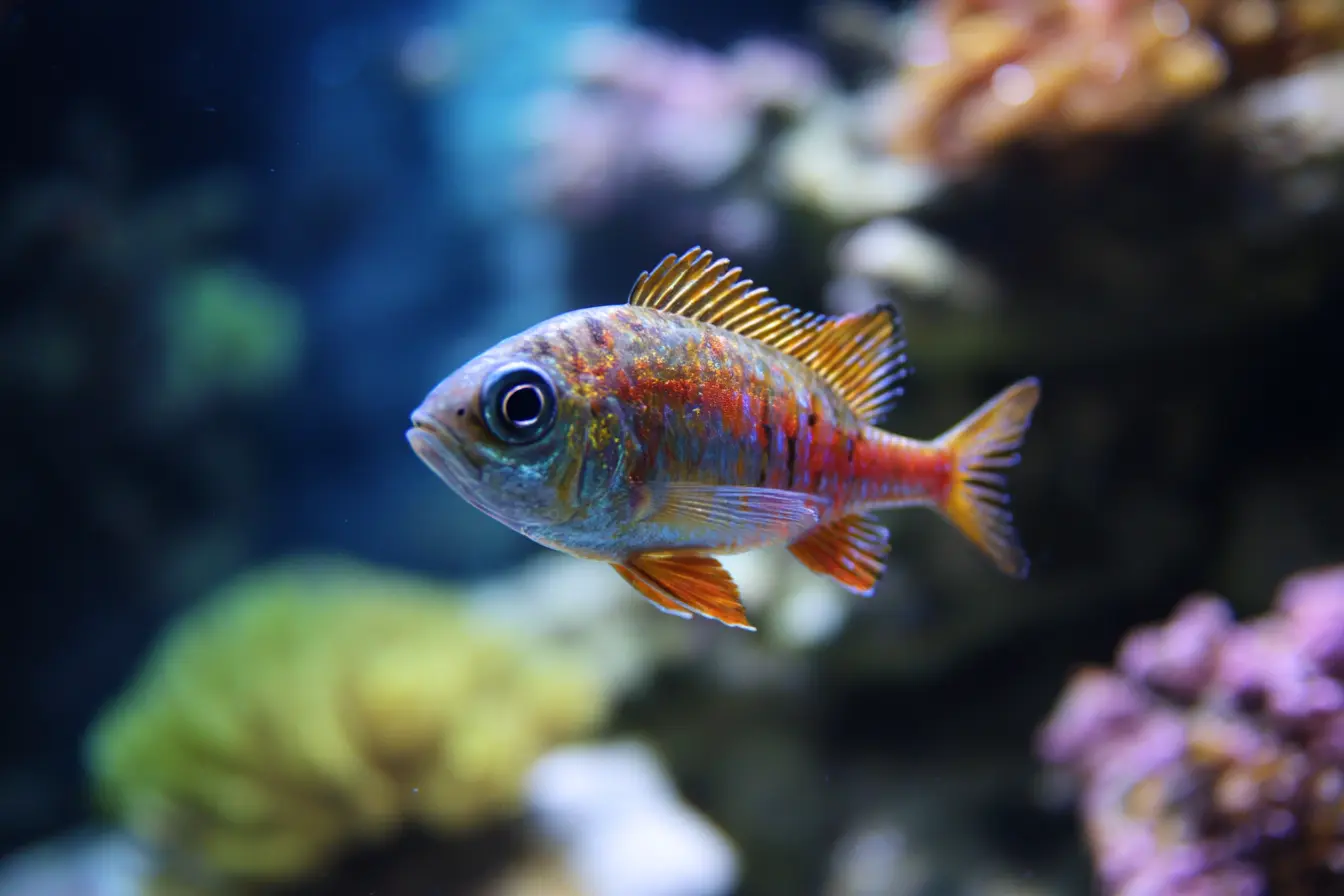
Clamped fins are one of the earliest and most important warning signs that something is wrong with a fish or its environment. While clamped fins are not a disease in themselves, they are a clear indicator of stress, discomfort, or underlying illness. Recognising and addressing the cause early can prevent more serious health problems from developing.
This guide explains what clamped fins are, why they occur, how to identify the cause, and what steps to take to help your fish recover.
What Are Clamped Fins?
A fish with clamped fins holds its fins tightly against its body instead of spreading them out naturally. Healthy fish display open, relaxed fins while swimming and resting. When fins remain folded for prolonged periods, it signals that the fish is unwell or stressed.
Clamped fins can affect all fin types, including dorsal, pectoral, anal, and tail fins, and can be seen in both freshwater and marine fish.
Signs Associated with Clamped Fins
Clamped fins often occur alongside other symptoms. Look out for:
Fins held close to the body
Reduced activity or lethargy
Hiding more than usual
Loss of appetite
Dull or darkened colouration
Rapid or laboured breathing
Scratching or flicking against objects
Difficulty swimming normally
In some cases, clamped fins may be the only visible sign in the early stages of a problem.
Common Causes of Clamped Fins
Clamped fins are a general stress response and can be triggered by a wide range of issues.
Poor Water Quality
This is the most common cause.
Ammonia or nitrite present
High nitrate levels
Infrequent water changes
Dirty substrate or filter
Even small deviations from ideal conditions can cause sensitive fish to clamp their fins.
Temperature Issues
Water that is too cold or too warm
Sudden temperature changes
Faulty or unreliable heaters
Temperature stress affects metabolism and immune function.
Stress and Environmental Factors
Overcrowding
Aggressive or bullying tank mates
Lack of hiding places
Excessive noise or vibrations near the tank
Chronic stress often leads to persistent clamped fins.
Disease and Infection
Clamped fins commonly appear with illnesses such as:
Internal bacterial or parasitic infections
In these cases, clamped fins are usually accompanied by additional symptoms.
Poor Nutrition
Inadequate or unbalanced diet
Overfeeding
Feeding food unsuitable for the species
Nutritional stress weakens the immune system over time.
Chemical Irritation
Chlorine or chloramine exposure
Incorrect dosing of medications
Contaminants from aerosols, cleaning products, or metals
What to Do If You See Clamped Fins
Step 1: Test the Water Immediately
Check:
Ammonia
Nitrite
Nitrate
pH
Temperature
Correct any issues promptly with partial water changes using dechlorinated water.
Step 2: Improve Tank Conditions
Perform a 25–50% water change if parameters are off
Clean debris from the substrate
Ensure the filter is working efficiently
Increase aeration if needed
Often, clamped fins resolve quickly once water quality improves.
Step 3: Observe for Other Symptoms
Watch the fish closely over the next 24–48 hours. Look for:
Spots, dusting, or lesions
Fraying fins
Swelling or bloating
Abnormal swimming behaviour
These clues help identify whether disease is present.
Step 4: Reduce Stress
Dim the aquarium lights
Minimise disturbances
Provide hiding places
Separate aggressive tank mates if necessary
Lower stress levels support recovery.
Step 5: Consider a Quarantine Tank
If one fish is affected or bullying is occurring, a hospital tank allows close monitoring and targeted treatment.
Step 6: Treat Underlying Disease If Present
Only use medication if a specific illness is identified. Avoid “blanket” treatments, as unnecessary medication can worsen stress and water quality.
Always follow manufacturer instructions carefully.
How Long Does It Take for Clamped Fins to Improve?
If the cause is environmental, improvement can be seen within 24–72 hours once conditions are corrected. When clamped fins are due to disease, recovery depends on the effectiveness and timing of treatment.
Persistent clamped fins usually indicate that the underlying problem has not been fully resolved.
Preventing Clamped Fins
Maintain Excellent Water Quality
Regular water changes, proper filtration, and routine testing are essential.
Keep Conditions Stable
Avoid sudden changes to temperature, pH, or salinity.
Stock Appropriately
Do not overcrowd the tank, and choose compatible species.
Feed a Balanced Diet
Use high-quality foods appropriate to the species and avoid overfeeding.
Quarantine New Fish
Quarantine new arrivals for 2–4 weeks to prevent the introduction of disease.
Observe Fish Daily
Early signs of stress are much easier to address than advanced illness.
When to Seek Expert Advice
Seek advice from an aquatic veterinarian or experienced aquarium specialist if:
Clamped fins persist despite good water quality
Multiple fish are affected
Other serious symptoms appear
A sensitive or high-value species is involved
Conclusion
Clamped fins are a vital early warning sign that should never be ignored. While they may seem minor at first, they often point to environmental issues or developing illness.
By acting quickly, improving tank conditions, and addressing the root cause, most fish recover fully. A stable, well-maintained aquarium remains the best defence against clamped fins and the problems they signal.
Quick questions
- What should I know about clamped fins?
- Clamped fins in fish signal stress or illness, not a disease themselves. Recognising these early can stop serious health issues. Vet Verified can help you compare UK veterinary practices by location, species, services and opening hours before you call.
- When should I contact a vet about clamped fins?
- Contact a veterinary practice if your pet seems unwell, symptoms are getting worse, you are unsure what to do, or the situation may be urgent. Vet Verified helps you compare practice details, but a vet should advise on your pet's current care.
- Can Vet Verified help me find a vet?
- Yes. Use Vet Verified to compare UK veterinary practices by location, species, services and opening hours, then call directly to confirm current availability.
Find a vet
Find a veterinary practice
Compare UK veterinary practices related to this topic. Call the practice to confirm its current services and availability.
Find a vet