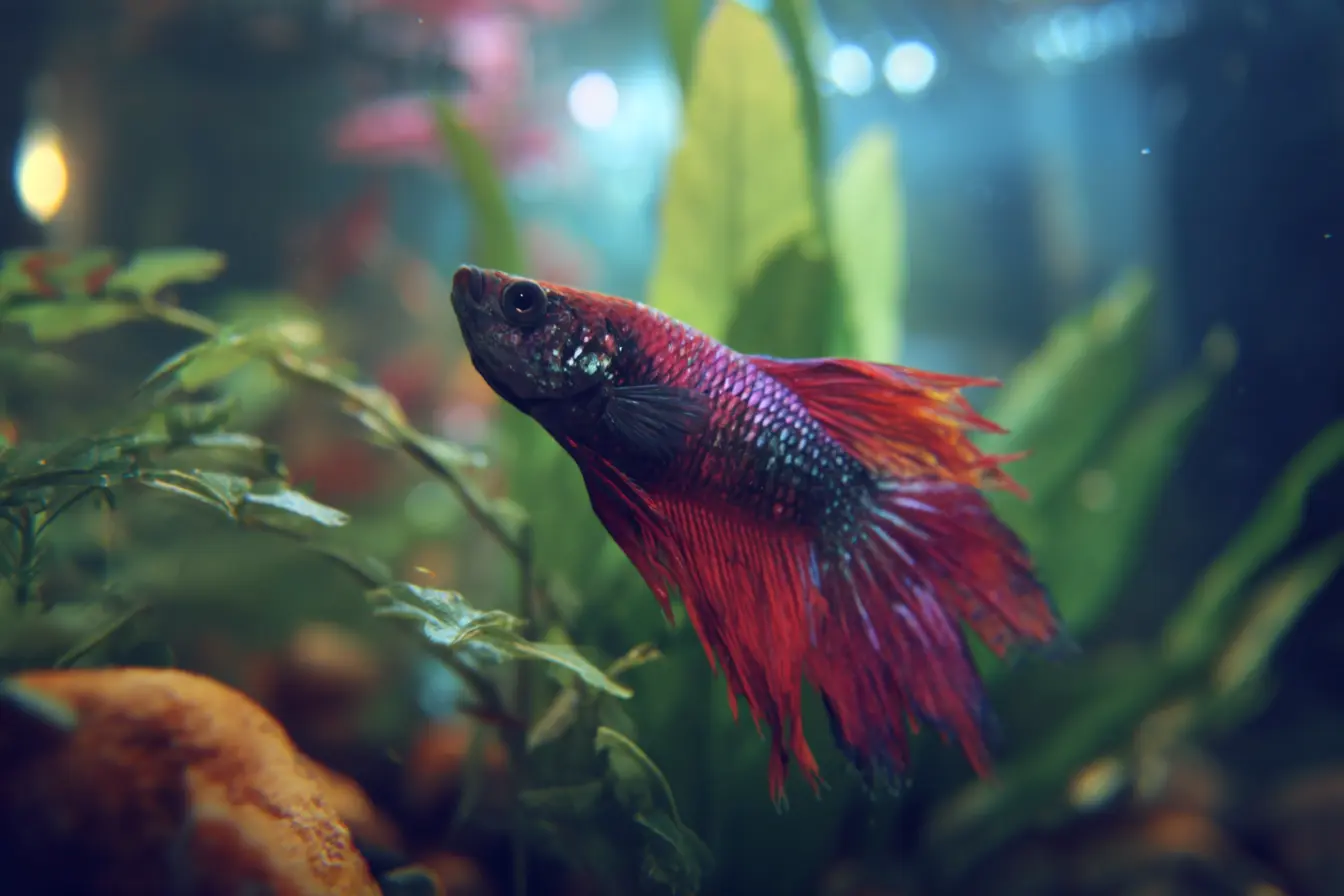
A hospital tank is an essential piece of equipment for any aquarium owner. When a fish becomes unwell, isolating it in a dedicated hospital tank allows for targeted treatment, reduces stress, and protects the rest of the aquarium from disease and medication exposure.
This guide explains what a hospital tank is, when to use one, what equipment you need, how to set it up, and how to care for fish during treatment.
What Is a Hospital Tank?
A hospital tank (also known as a treatment tank) is a temporary aquarium used specifically to treat sick or injured fish. Unlike a quarantine tank, which is primarily for observation, a hospital tank is used once illness has been identified and medication is required.
Hospital tanks are simple, easy to clean, and designed to allow close monitoring and controlled treatment.
When Should You Use a Hospital Tank?
A hospital tank should be used when:
A fish shows signs of illness or injury
Medication is required that could harm plants or invertebrates
Only one or a few fish are affected
Bullying or aggression is preventing recovery
You need to closely monitor feeding and behaviour
Some highly contagious diseases require treating the entire display tank, but many conditions are best handled in isolation.
What You Need for a Hospital Tank
A hospital tank does not need to be large or decorative. Simplicity is key.
Tank Size
Choose a tank appropriate for the fish being treated
40–75 litres is suitable for most small to medium fish
Larger species may require a larger tank
Filtration
Use a sponge filter or small internal filter
Avoid carbon, as it removes medication
Gentle filtration prevents additional stress
Heater and Thermometer
Maintain stable temperature appropriate for the species
Temperature stability is especially important during illness
Aeration
Many medications reduce oxygen levels
Add an air stone or increase filter flow as needed
Bare Bottom
No substrate
Allows easy cleaning and monitoring of waste and uneaten food
Hiding Places
Provide stress relief using:
PVC pipes
Ceramic shelters
Plastic plants
Avoid porous decor that absorbs medication
Lighting
Keep lighting low to reduce stress
Setting Up the Hospital Tank
Step 1: Prepare the Equipment
Rinse tank and equipment with water only
Never use soap or household cleaners
Step 2: Fill with Water
Use dechlorinated water
Ideally match temperature and parameters from the main tank
This minimises stress when transferring the fish
Step 3: Seed the Filter (If Possible)
Use a sponge or media from an established aquarium
Helps prevent ammonia spikes during treatment
If seeding is not possible, be prepared for frequent water testing and changes.
Step 4: Stabilise the Tank
Turn on heater, filter, and aeration
Allow the tank to run for a few hours
Check temperature and equipment function
Moving a Sick Fish into the Hospital Tank
Transfer the fish gently using a clean net
Avoid transferring water from the main tank if disease is present
Minimise handling to reduce stress
If the fish is severely stressed, move it promptly rather than attempting lengthy acclimation.
Treating Fish in a Hospital Tank
Medication Use
Identify the illness as accurately as possible
Use medication appropriate for the condition
Follow dosage instructions exactly
Complete the full course of treatment
Never mix medications unless specifically instructed.
Water Quality During Treatment
Test water daily
Perform partial water changes as recommended
Redose medication if required after water changes
Good water quality is critical for recovery.
Feeding During Treatment
Offer small amounts of high-quality, easily digestible food
Remove uneaten food promptly
Do not overfeed
Some medications suppress appetite, this is normal short-term.
Monitoring Recovery
Watch for:
Improved swimming and posture
Normal breathing
Return of appetite
Healing of wounds or fins
Reduced visible symptoms
Recovery times vary depending on the illness.
When to Return Fish to the Main Tank
Once the fish:
Has completed treatment
Shows no symptoms
Is eating and behaving normally
Match temperature and parameters carefully and reintroduce the fish gently.
Cleaning After Use
After treatment:
Empty the tank completely
Clean equipment with hot water
Allow everything to dry fully before storage
Drying helps kill remaining pathogens.
Common Hospital Tank Mistakes
Using substrate or decor that traps waste
Overmedicating
Stopping treatment early
Neglecting water quality
Using the hospital tank permanently
Conclusion
A hospital tank is a powerful tool that allows fishkeepers to treat illness safely and effectively. By providing a calm, controlled environment and targeted care, you significantly improve a fish’s chances of recovery while protecting the rest of your aquarium.
Having a hospital tank ready before illness strikes is one of the best investments you can make in long-term fish health.
Quick questions
- What should I know about hospital tank?
- A hospital tank is a must-have for aquarium owners. It's used to isolate and treat sick fish, protecting the main tank from disease and medication. Vet Verified can help you compare UK veterinary practices by location, species, services and opening hours before you call.
- When should I contact a vet about hospital tank?
- Contact a veterinary practice if your pet seems unwell, symptoms are getting worse, you are unsure what to do, or the situation may be urgent. Vet Verified helps you compare practice details, but a vet should advise on your pet's current care.
- Can Vet Verified help me find a vet?
- Yes. Use Vet Verified to compare UK veterinary practices by location, species, services and opening hours, then call directly to confirm current availability.
Find a vet
Find a veterinary practice
Compare UK veterinary practices related to this topic. Call the practice to confirm its current services and availability.
Find a vet