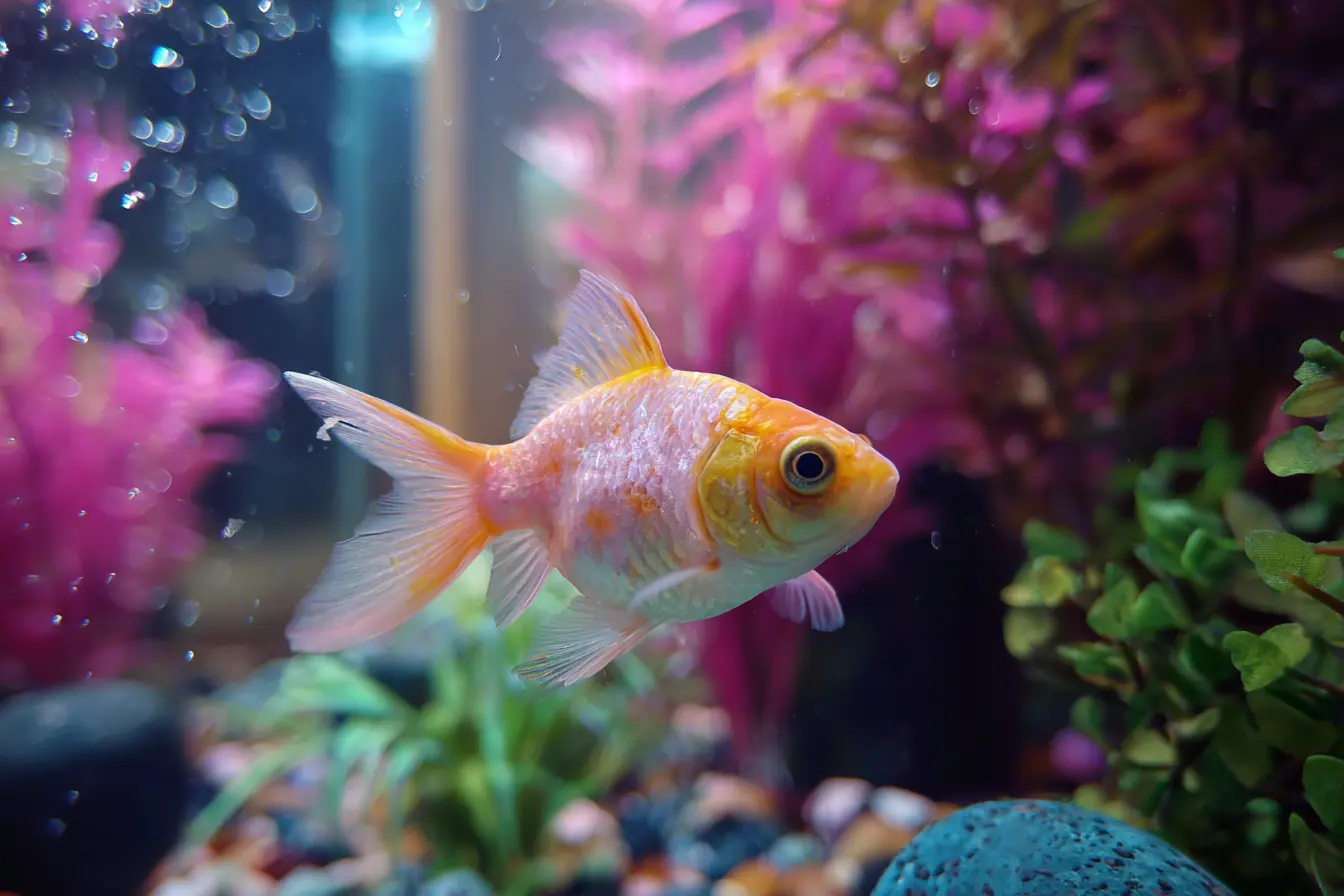
Mucus production is a normal and essential part of a fish’s health, yet changes in the slime coat are often one of the first visible signs that something is wrong. An increase in mucus, a cloudy appearance, or patches of excessive slime usually indicate irritation, stress, or disease.
This guide explains what fish mucus is, why it is important, what causes abnormal mucus production, how to identify underlying problems, and what steps to take to restore fish health.
What Is Fish Mucus?
Fish mucus, commonly referred to as the slime coat, is a thin protective layer that covers a fish’s skin and scales. It is produced by specialised cells in the skin and plays a crucial role in overall health.
The slime coat acts as:
A physical barrier against parasites, bacteria, and fungi
A first line of immune defence
Protection against minor abrasions
A regulator of water and salt exchange
Healthy fish have a clear, even slime coat that is usually only visible under certain lighting.
Normal vs Abnormal Mucus Production
Normal Mucus
Thin and clear
Evenly distributed across the body
Not visibly cloudy or stringy
Fish behaves normally
Excess or Abnormal Mucus
Cloudy or milky appearance
Thick or stringy slime
Patches or clumps of mucus
Flaking or peeling slime coat
Fish rubbing or flashing against objects
Excess mucus is a defensive response to irritation.
Common Causes of Excess Mucus Production
External Parasites
Parasites are the most common cause of abnormal mucus production, including:
White spot (Ich)
Velvet disease
Anchor worms
Parasites irritate the skin and gills, triggering increased mucus as a protective response.
Poor Water Quality
Irritating water conditions damage the slime coat and stimulate excess mucus production:
Ammonia or nitrite presence
High nitrate levels
Sudden pH changes
Low oxygen levels
Dirty substrate or filter
Chemical Irritation
Chlorine or chloramine exposure
Heavy metals
Overdosing medication
Aerosols, sprays, or cleaning products near the tank
Even small chemical exposures can cause a rapid mucus response.
Stress
Chronic stress weakens the immune system and alters mucus production:
Overcrowding
Aggressive tank mates
Inadequate hiding places
Sudden environmental changes
Skin Damage or Injury
Abrasive decor
Rough substrate
Fin nipping
Handling with dry nets
Increased mucus helps protect damaged skin.
Bacterial or Fungal Infections
Some infections irritate the skin, leading to mucus changes. In these cases, excess mucus is often accompanied by lesions or discolouration.
Symptoms Often Seen Alongside Excess Mucus
Look for other signs that help identify the cause:
Flashing or rubbing
Rapid or laboured breathing
Lethargy
Loss of appetite
Colour changes
White spots or dusting
Mucus changes rarely occur in isolation.
What to Do If You Notice Excess Mucus
Step 1: Test Water Quality Immediately
Check:
Ammonia
Nitrite
Nitrate
pH
Temperature
Correct any problems with partial water changes using dechlorinated water.
Step 2: Improve Tank Conditions
Increase aeration
Remove debris and uneaten food
Ensure filtration is functioning properly
Often, mild mucus issues resolve once water quality improves.
Step 3: Observe Fish Closely
Watch behaviour and look for visible signs of parasites or disease. Note whether all fish are affected or only certain individuals.
Step 4: Identify and Treat Underlying Causes
If parasites or disease are suspected, use appropriate treatment based on symptoms. Avoid using multiple medications unless advised.
Step 5: Reduce Stress
Dim lighting
Minimise disturbances
Provide adequate hiding spaces
Separate aggressive fish if needed
Supporting Slime Coat Recovery
Once the cause is addressed:
Maintain stable, clean water
Avoid unnecessary handling
Feed high-quality, nutritious food
Some aquarists use slime coat conditioners, but these should support, not replace, good husbandry.
Preventing Mucus Problems
Maintain Excellent Water Quality
Routine maintenance prevents irritation and stress.
Quarantine New Fish
Quarantine new arrivals for 2–4 weeks to prevent introducing parasites or disease.
Avoid Chemical Exposure
Use fish-safe products only and keep aerosols away from aquariums.
Use Gentle Handling Techniques
Wet nets and hands before handling fish.
Avoid Overcrowding
Lower stress means healthier slime coats.
When to Seek Professional Advice
Seek help from an aquatic veterinarian or experienced aquarium specialist if:
Excess mucus persists despite good water quality
Fish develop breathing difficulties
Multiple fish are affected
Treatment attempts fail
Conclusion
Mucus production is a vital protective mechanism in fish, and changes to the slime coat are an important early warning sign. Excess or abnormal mucus almost always indicates irritation, stress, or disease.
By recognising changes early, maintaining excellent water quality, and addressing the underlying cause, aquarium owners can restore healthy mucus production and protect their fish from more serious health issues.
Quick questions
- What should I know about slime coat?
- This clear guide explains fish mucus and the slime coat, and what excess mucus means for aquarium fish. A healthy slime coat is thin and clear. Vet Verified can help you compare UK veterinary practices by location, species, services and opening hours before you call.
- When should I contact a vet about slime coat?
- Contact a veterinary practice if your pet seems unwell, symptoms are getting worse, you are unsure what to do, or the situation may be urgent. Vet Verified helps you compare practice details, but a vet should advise on your pet's current care.
- Can Vet Verified help me find a vet?
- Yes. Use Vet Verified to compare UK veterinary practices by location, species, services and opening hours, then call directly to confirm current availability.
Find a vet
Find a veterinary practice
Compare UK veterinary practices related to this topic. Call the practice to confirm its current services and availability.
Find a vet