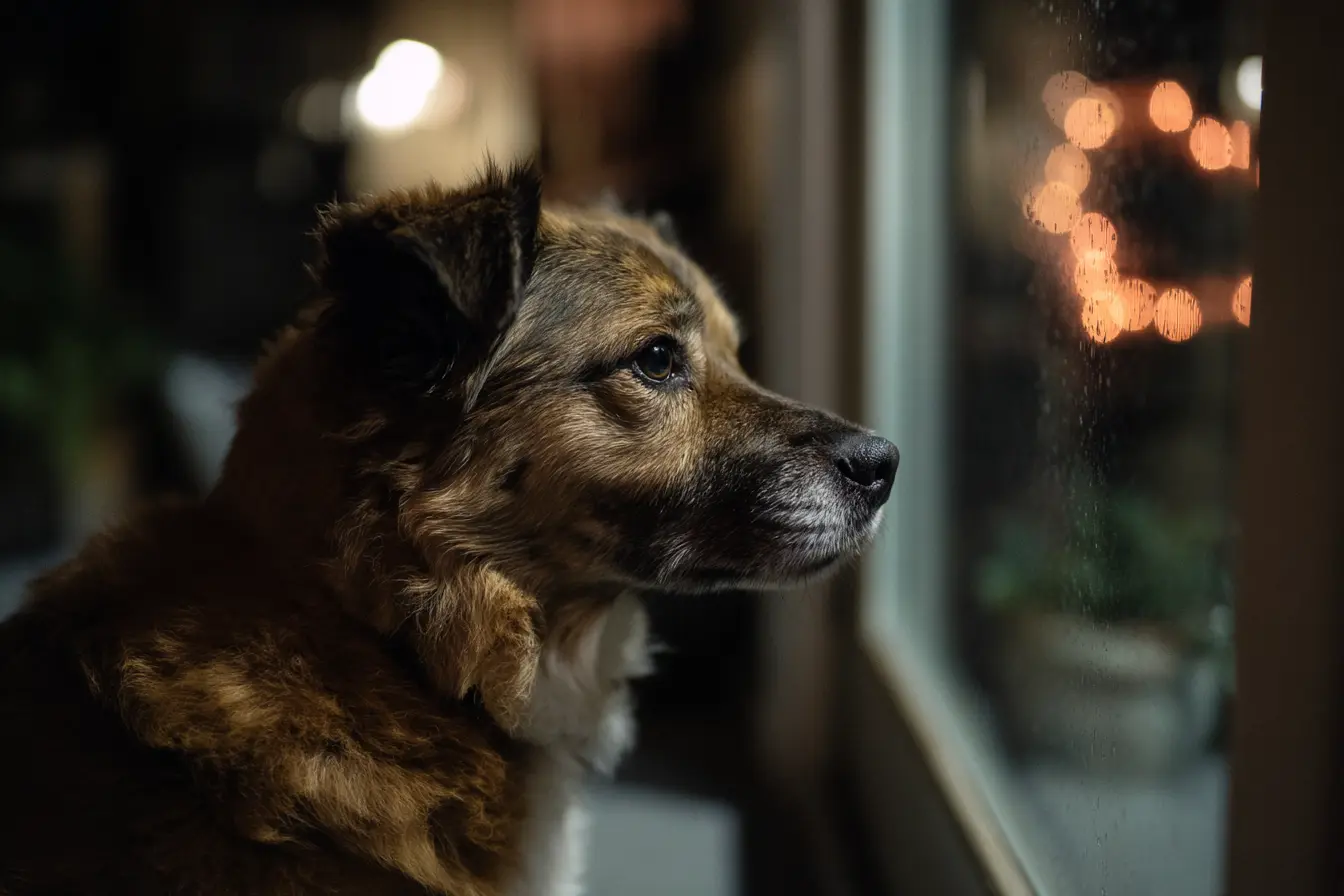
Bonfire Night and other fireworks displays can be exciting for humans, but they’re often terrifying for pets. The loud bangs, flashing lights, and unfamiliar smells can trigger fear, anxiety, and even long-term behavioural problems. Whether you have a dog, cat, rabbit, or small pet, it’s important to prepare in advance to keep them safe and calm during fireworks season.
This comprehensive guide will help you plan ahead, create a secure environment, and support your pet through the stress of fireworks.
Why Fireworks Are a Problem for Pets
Many animals have more sensitive hearing than humans, making them especially susceptible to the sudden and unpredictable sounds of fireworks. This can lead to:
Trembling or shaking
Hiding or trying to escape
Excessive barking or meowing
Panting or drooling
Destructive behaviour
Toileting indoors
In extreme cases, the stress may even cause injuries or illness. That’s why preparation is key.
Preparing in Advance
Planning ahead can make all the difference. In the weeks leading up to Fireworks Night:
Ensure your pet is microchipped and the contact details are up to date.
Check that collars and ID tags are secure and legible.
Speak to your vet if your pet has a history of anxiety—calming products or medications may help.
Create a safe, enclosed space where your pet can retreat. Use familiar bedding and toys.
Desensitise pets to noise with sound therapy tracks at a low volume, gradually increasing over time.
On the Day of the Fireworks
Once the big night arrives, take the following steps to reduce stress:
Keep pets indoors
Walk dogs earlier in the day, well before dark. Keep cats and small animals securely inside. Ensure all doors, windows, cat flaps and access points are closed.
Provide a safe space
Set up a quiet area where your pet can feel secure. Use blankets, cushions or crates to create a den-like environment. Consider placing the den in a room away from windows and external walls.
Drown out the noise
Close curtains and play background noise such as the television, radio, or calming music to muffle the sounds of fireworks.
Act normal
Pets take their cues from you. Stay calm and behave as you normally would. Avoid fussing over your pet too much, as this can reinforce anxious behaviour.
Use pheromones and calming aids
Plug-in diffusers and sprays containing synthetic pheromones (such as Adaptil for dogs or Feliway for cats) can help ease stress. Herbal remedies, anxiety wraps, or vet-prescribed medications may also be effective.
Stay with your pet if possible
If you can, remain at home to provide reassurance. If your pet wants comfort, offer it gently, but respect their need for space if they prefer to hide.
Tips for Cats
Provide hiding places: under beds, in wardrobes or inside cardboard boxes with blankets.
Keep the litter tray in a quiet spot.
Keep cats indoors from dusk onwards for several days before and after major fireworks nights.
Tips for Dogs
Avoid scolding your dog if they become fearful.
Provide puzzle toys or chews to distract and engage them.
Consider using a calming jacket or wrap to reduce anxiety.
Tips for Rabbits and Small Animals
Bring hutches indoors or place them in a garage or shed.
Cover hutches and cages with thick blankets, leaving space for ventilation.
Provide extra bedding so they can burrow and hide.
Reduce exposure to flashes by facing enclosures away from open spaces.
After the Fireworks
Once the noise has stopped:
Reassure your pet and reward calm behaviour.
Check your garden or enclosure for firework debris before letting pets back outside.
Monitor your pet for ongoing signs of stress or anxiety.
Long-Term Solutions
If your pet struggles with fireworks every year, consider:
A behavioural consultation to address phobias and anxiety.
A desensitisation programme with gradual exposure to firework noises.
Vet-recommended calming treatments during high-risk periods.
Final Thoughts
Fireworks Night can be overwhelming for pets, but with preparation and care, you can help them feel safer and more secure. Every animal reacts differently, so tailor your approach to suit their needs.
If you’re unsure how best to support your pet, speak with your vet or a qualified animal behaviourist well before the fireworks begin.
Quick questions
- What should I know about pet fireworks safety?
- A simple guide to keeping pets calm at Bonfire Night and during other fireworks. Fireworks can cause anxiety in dogs, cats, rabbits and small pets because loud bangs and flashes are frightening. Vet Verified can help you compare UK veterinary practices by location, species, services and opening hours before you call.
- When should I contact a vet about pet fireworks safety?
- Contact a veterinary practice if your pet seems unwell, symptoms are getting worse, you are unsure what to do, or the situation may be urgent. Vet Verified helps you compare practice details, but a vet should advise on your pet's current care.
- Can Vet Verified help me find dog vets?
- Yes. Use Vet Verified to compare dog vets across the UK, then check practice profiles and call directly to confirm current availability.
Find a vet
Find a veterinary practice
Compare UK veterinary practices related to this topic. Call the practice to confirm its current services and availability.
Search by species
- Dog vets Find UK veterinary practices that list care for dogs. Compare opening hours, services, facilities and verified profiles, then contact a practice directly.
- Cat vets Find UK veterinary practices that list care for cats. Compare opening hours, services, facilities and verified profiles, then contact a practice directly.