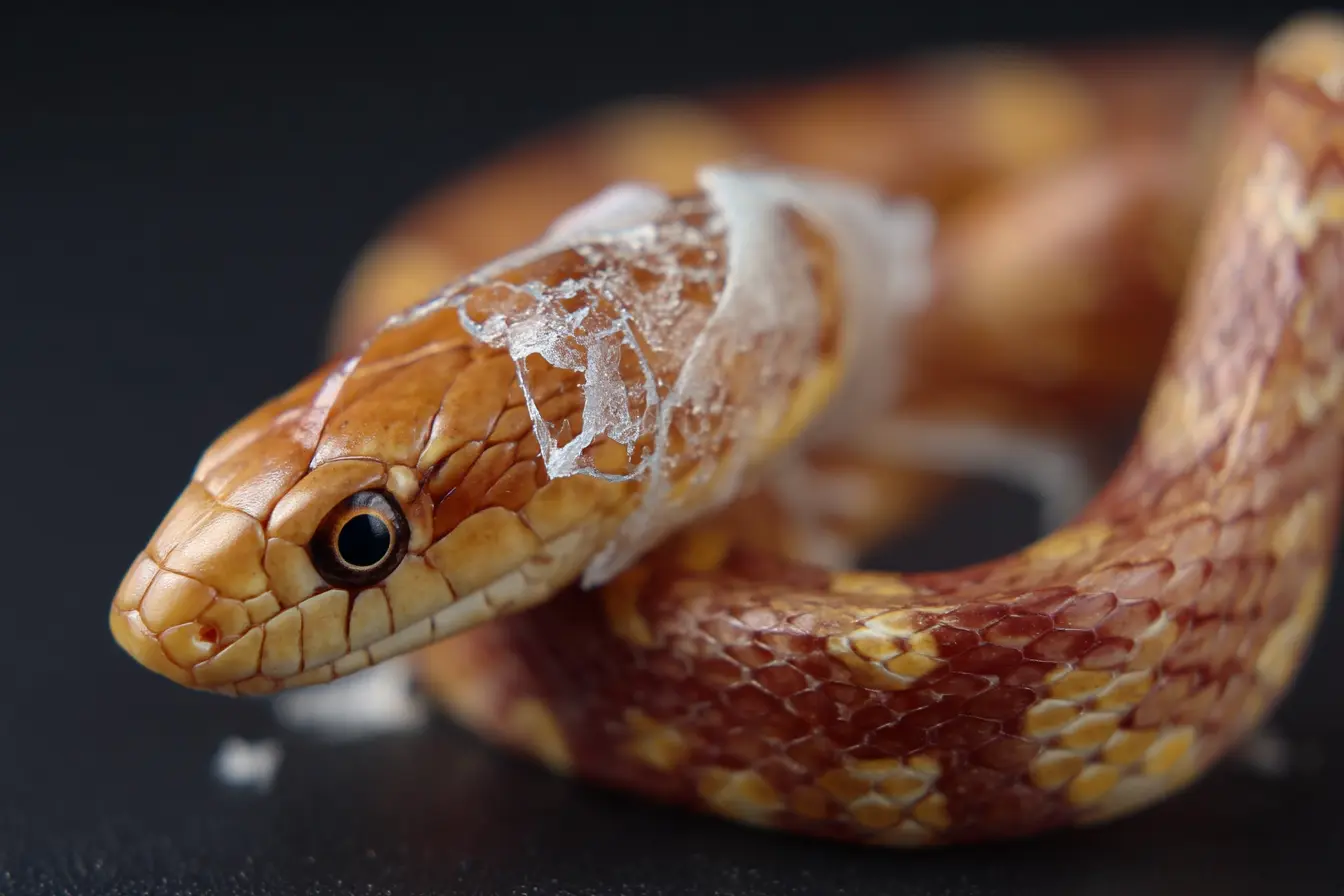
As a snake owner, one of the most intriguing aspects of care you will witness is the shedding process. Shedding, or 'sloughing', is a natural and essential part of a snake's life cycle, allowing for continued growth and the removal of parasites. Here's what you need to know to support your snake through this process.
What is Shedding?
Shedding is the process by which snakes remove their outer layer of skin in one continuous piece. This occurs regularly throughout their lives. The frequency of shedding depends on many factors, including the snake's age, the rate of growth, and the overall health of the snake.
Signs of Shedding
Pre-Shedding Symptoms
Before a shed, your snake's skin will become dull and slightly darker. The eyes may appear cloudy or blue-tinted, as the eye caps are also shed. Your snake might also show signs of irritation and may hide more than usual or refuse food.
The Shedding Process
The entire process can take from a week to two, depending on the snake’s health and environmental conditions. You’ll notice that the eyes will clear up a few days before the shed begins, signaling that shedding is imminent.
How to Assist in the Shedding Process
Optimal Environment
Ensure that the humidity and temperature in your snake's enclosure are within the species-specific recommended range. Humidity is particularly important during shedding, as it helps the old skin loosen.
Providing Hydration
Adequate hydration is crucial. Always provide a bowl of fresh water, and consider a larger water bowl that your snake can soak in if it chooses, which can be particularly helpful during shedding.
Creating a Shedding Aid
To aid the shedding process, you can create a shedding box—a hide box with moist sphagnum moss or a damp paper towel that provides extra humidity.
Post-Shedding Care
After your snake has shed, it is essential to inspect the old skin to ensure it has come off in one complete piece. Check the tail and eye caps especially, as retained skin in these areas can cause health issues.
Common Shedding Issues
Incomplete Shedding
Pieces of skin remaining on your snake can indicate low enclosure humidity. If skin remains on the body, gently bathe your snake in lukewarm water and assist in removing the skin with a soft cloth.
Retained Eye Caps
If the eye caps have not been shed, this can lead to vision problems or infection. This may require a visit to a reptile vet who can safely remove them.
Conclusion
Shedding is a healthy and natural process for snakes. By understanding and supporting your snake through this process, you can ensure they remain healthy and happy. If you ever have concerns about shedding or your snake's health in general, don't hesitate to contact a reptile-savvy veterinarian.
Quick questions
- What should I know about snake shedding?
- Understanding snake shedding is vital for snake owners. Shedding, or sloughing, allows snakes to grow and remove parasites. It involves the snake shedding its old skin in one piece. Vet Verified can help you compare UK veterinary practices by location, species, services and opening hours before you call.
- When should I contact a vet about snake shedding?
- Contact a veterinary practice if your pet seems unwell, symptoms are getting worse, you are unsure what to do, or the situation may be urgent. Vet Verified helps you compare practice details, but a vet should advise on your pet's current care.
- Can Vet Verified help me find exotic vets?
- Yes. Use Vet Verified to compare exotic vets across the UK, then check practice profiles and call directly to confirm current availability.
Find a vet
Find a veterinary practice
Compare UK veterinary practices related to this topic. Call the practice to confirm its current services and availability.