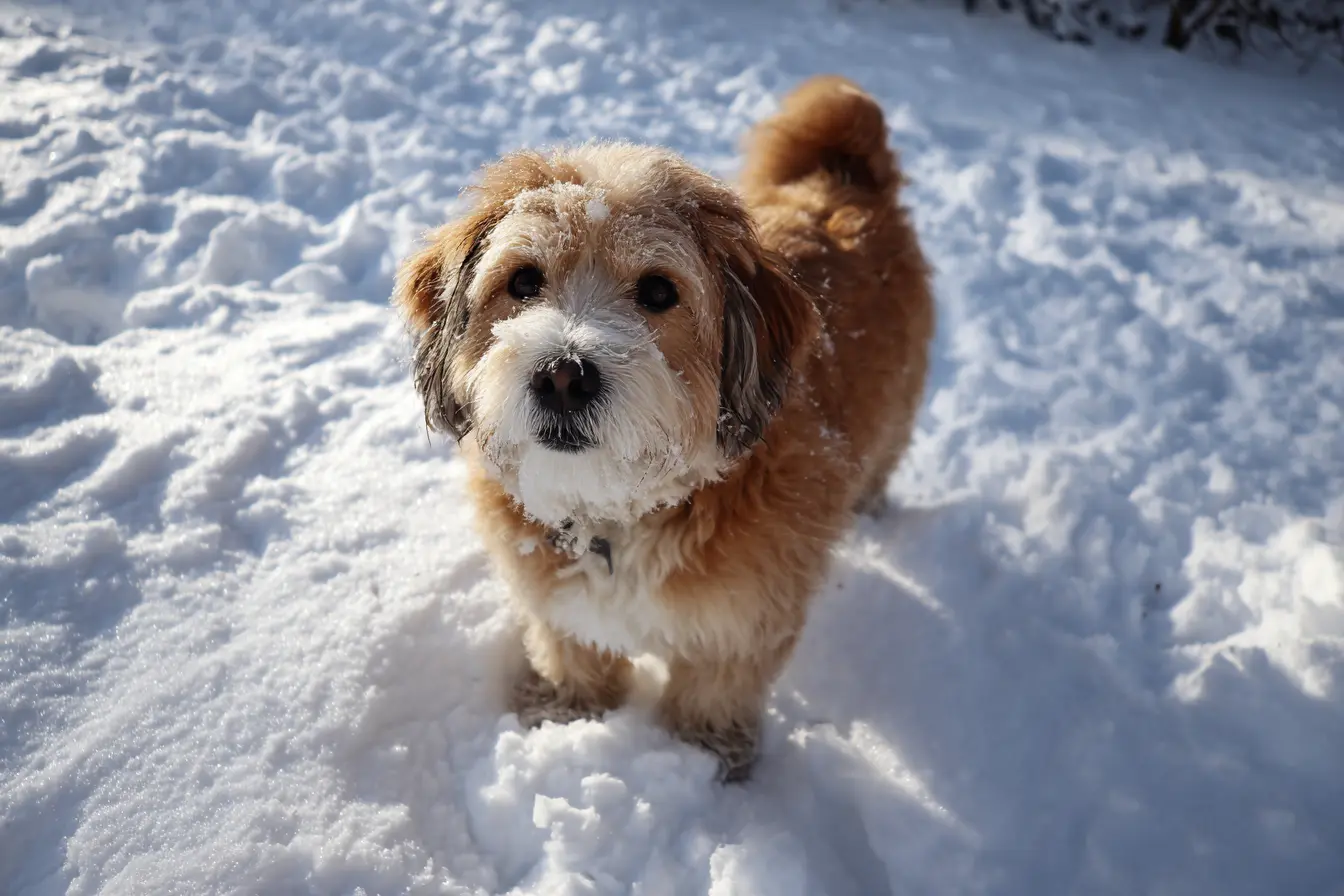
During the winter months, your dog’s paws face some of the toughest conditions of the year. Cold temperatures, ice, snow, grit and damp ground can all cause discomfort, injury and long-term problems if paws are not properly cared for. While dogs may appear unfazed, their paws are vulnerable and need extra attention in winter.
This guide explains common winter paw issues, how to spot problems early, and what owners can do to protect and care for their dog’s paws throughout the colder months.
Why Winter Is Hard on Dogs’ Paws
A dog’s paw pads are designed to be tough, but they are not invincible. In winter, paws are exposed to:
Freezing temperatures
Ice and compacted snow
Road salt, grit and chemical de-icers
Wet, muddy ground that softens the skin
Sharp ice, stones and hidden debris
Repeated exposure to these conditions can lead to soreness, cracks, burns and infections if preventative care is not in place.
Common Winter Paw Problems in Dogs
Dry, Cracked and Split Paw Pads
Cold air, wet conditions and road salt can dry out paw pads, causing them to crack or split. These cracks can be painful and may bleed, making walking uncomfortable.
Signs to watch for include:
Limping or reluctance to walk
Licking or chewing at paws
Visible cracks or roughness
Red or inflamed skin
Burns and Irritation from Grit and De-Icers
Salt and chemical de-icers used on UK roads and pavements can burn paw pads and irritate the skin between toes. When dogs lick their paws afterwards, these substances can also cause stomach upset.
Symptoms may include:
Redness or swelling between toes
Excessive licking
Soreness after walks
Sudden limping on treated pavements
Ice and Snow Build-Up Between Toes
Snow can clump between paw pads and toes, especially in dogs with longer fur. These ice balls pull at the skin and fur, causing pain and making walking difficult.
Dogs with hairy feet, such as Spaniels, Retrievers and Collies, are particularly prone to this issue.
Cuts, Abrasions and Foreign Objects
Ice can hide sharp stones, glass or debris. Cracked pads are also more vulnerable to cuts, which can easily become infected in damp winter conditions.
Infections Between the Toes
Constant moisture from rain, mud and snow creates the perfect environment for bacteria and yeast to thrive. This can lead to painful interdigital infections.
Signs include:
Red, sore or weeping skin between toes
Bad odour from paws
Swelling or discharge
Persistent licking
How to Protect Your Dog’s Paws in Winter
Check Paws Daily
Make paw checks part of your daily routine, especially after walks. Look for:
Cracks or dryness
Redness or swelling
Cuts or embedded debris
Signs of pain when touched
Early detection prevents minor issues from becoming serious problems.
Rinse and Dry Paws After Walks
After every winter walk:
Rinse paws with lukewarm water to remove salt, grit and chemicals.
Dry thoroughly, paying special attention between the toes.
Avoid using hot water, as it can dry out the skin further.
Use Dog-Safe Paw Balm
Applying a paw balm helps to:
Moisturise dry pads
Prevent cracking
Create a protective barrier against salt and grit
Apply before walks for protection and after walks to soothe and repair. Always use products specifically designed for dogs.
Trim Fur Between Paw Pads
Keeping excess fur trimmed:
Reduces snow and ice build-up
Improves grip on slippery surfaces
Makes it easier to keep paws clean and dry
If you are unsure how to trim safely, ask a groomer or your vet for advice.
Consider Dog Boots
Dog boots can be useful for:
Dogs with very sensitive paws
Dogs recovering from injuries
Walking on heavily gritted pavements
Long walks in snow or ice
Ensure boots fit properly and introduce them gradually indoors so your dog can adjust.
Walking Tips to Reduce Paw Problems
Avoid heavily gritted or untreated icy areas where possible.
Stick to cleared paths and grass rather than pavements.
Keep walks shorter during very cold weather.
Watch how your dog moves and stop if they show signs of discomfort.
Special Considerations for Certain Dogs
Puppies
Puppies have softer, more delicate paw pads and are more prone to injury and irritation. Limit exposure to harsh conditions and check paws frequently.
Senior Dogs
Older dogs may have thinner skin and reduced circulation, making paw injuries slower to heal. Arthritis can also be worsened by cold, sore feet.
Dogs with Allergies or Skin Conditions
Dogs prone to skin issues may react more severely to salt and chemicals. Extra rinsing, drying and protective balms are especially important.
When to See the Vet
Contact your vet if you notice:
Persistent limping
Deep cracks or bleeding pads
Swelling, discharge or signs of infection
Your dog refusing to walk
Excessive licking that does not improve
Prompt treatment prevents complications and speeds up recovery.
Conclusion
Winter can be particularly harsh on your dog’s paws, but with regular checks, good hygiene and preventative care, most paw problems can be avoided. Paying close attention to your dog’s feet during the colder months helps keep them comfortable, mobile and happy, no matter the weather.
Quick questions
- What should I know about dog paw care?
- During winter, your dog's paws face harsh conditions like cold, ice, and road salt, which can cause issues such as dry, cracked pads, burns, and infections. Vet Verified can help you compare UK veterinary practices by location, species, services and opening hours before you call.
- When should I contact a vet about dog paw care?
- Contact a veterinary practice if your pet seems unwell, symptoms are getting worse, you are unsure what to do, or the situation may be urgent. Vet Verified helps you compare practice details, but a vet should advise on your pet's current care.
- Can Vet Verified help me find dog vets?
- Yes. Use Vet Verified to compare dog vets across the UK, then check practice profiles and call directly to confirm current availability.
Find a vet
Find a veterinary practice
Compare UK veterinary practices related to this topic. Call the practice to confirm its current services and availability.