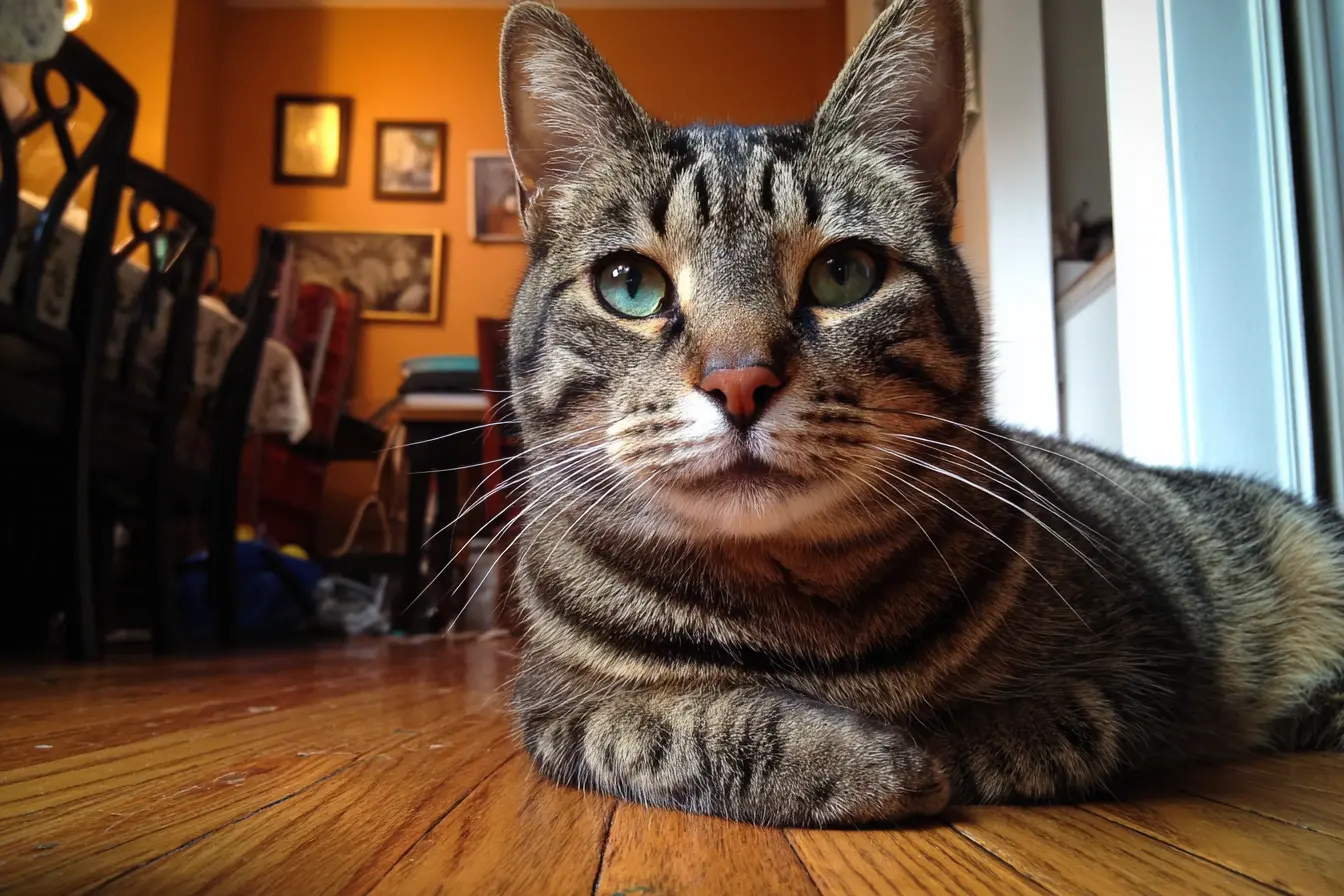
It is a common question among cat owners: if a cat never goes outside, do they really need vaccinations? At first glance, it may seem unnecessary. However, the reality is that indoor cats are still at risk from a number of infectious diseases.
Vaccinations are not just for outdoor cats. They play a vital role in protecting all cats, regardless of their lifestyle.
Why Vaccinations Matter
Vaccinations work by training your cat’s immune system to recognise and fight specific diseases. This protection can prevent serious illness, reduce the severity of symptoms, and in some cases, save your cat’s life.
Even in controlled indoor environments, viruses and bacteria can still find their way in.
How Indoor Cats Are Exposed to Disease
Many owners assume that staying indoors eliminates all risk, but this is not the case.
Indoor cats can be exposed through:
Contact with humans who have been outside
Contaminated clothing, shoes or hands
Visits to the vet or cattery
Contact with other pets in the household
Open windows or doors allowing insects or other animals inside
Some viruses are highly resilient and can survive on surfaces for long periods, making indirect transmission possible.
Core Vaccinations for Cats
In the UK, there are core vaccines that are generally recommended for all cats, including those that live indoors.
These typically protect against:
Feline panleukopenia (also known as feline parvovirus)
Feline herpesvirus (cat flu)
Feline calicivirus (cat flu)
These diseases can be severe, highly contagious, and in some cases fatal. Vaccination provides essential protection against them.
Non-Core Vaccinations
Some vaccines are considered non-core and may be recommended based on your cat’s lifestyle and risk factors.
These can include:
Feline leukaemia virus (FeLV)
Bordetella
Chlamydia felis
For strictly indoor cats with no exposure to other animals, some of these may not be necessary. Your vet will help assess the level of risk.
Kittens and Initial Vaccinations
Kittens require a course of vaccinations early in life to build immunity.
This usually involves:
A first vaccination at around 8 to 9 weeks
A second vaccination at around 12 weeks
These initial vaccines are crucial, even for kittens that will live exclusively indoors.
Booster Vaccinations
Immunity from vaccines does not last forever. Booster vaccinations are needed to maintain protection.
Depending on the vaccine and your vet’s guidance, boosters may be given:
Annually
Every one to three years
Skipping boosters can leave your cat vulnerable to preventable diseases.
Are There Risks to Vaccination?
Vaccinations are generally very safe, and serious side effects are rare.
Mild reactions can include:
Temporary lethargy
Slight swelling at the injection site
Reduced appetite for a short period
The benefits of vaccination far outweigh the risks, particularly when it comes to protecting against life-threatening diseases.
Indoor Lifestyle Does Not Mean Zero Risk
While indoor cats may face fewer dangers overall, their risk is not completely eliminated.
Unexpected situations can occur, such as:
Escaping outside accidentally
Needing to stay at a cattery
Being exposed during veterinary visits
Vaccination ensures your cat is protected even in these unforeseen circumstances.
Working With Your Vet
Every cat is different, and vaccination plans should be tailored to the individual.
Your vet will consider:
Age
Health status
Lifestyle
Exposure risk
Regular check-ups are an opportunity to review your cat’s vaccination needs and ensure they remain protected.
Conclusion
Indoor cats do still need vaccinations. While their risk of exposure may be lower than outdoor cats, it is not zero. Diseases can enter the home in ways that are not always obvious.
Vaccination provides a simple and effective way to protect your cat from serious illness. By keeping up with recommended vaccines and boosters, you are helping to ensure a long, healthy and safe life for your feline companion.
Quick questions
- What should I know about indoor cat vaccinations?
- Do indoor cats need vaccinations? Yes. Vaccinations help a cat’s body fight serious diseases. In the UK, core vaccines protect against feline panleukopenia, feline herpesvirus and feline calicivirus. Vet Verified can help you compare UK veterinary practices by location, species, services and opening hours before you call.
- When should I contact a vet about indoor cat vaccinations?
- Contact a veterinary practice if your pet seems unwell, symptoms are getting worse, you are unsure what to do, or the situation may be urgent. Vet Verified helps you compare practice details, but a vet should advise on your pet's current care.
- Can Vet Verified help me find cat vets?
- Yes. Use Vet Verified to compare cat vets across the UK, then check practice profiles and call directly to confirm current availability.
Find a vet
Find a veterinary practice
Compare UK veterinary practices related to this topic. Call the practice to confirm its current services and availability.