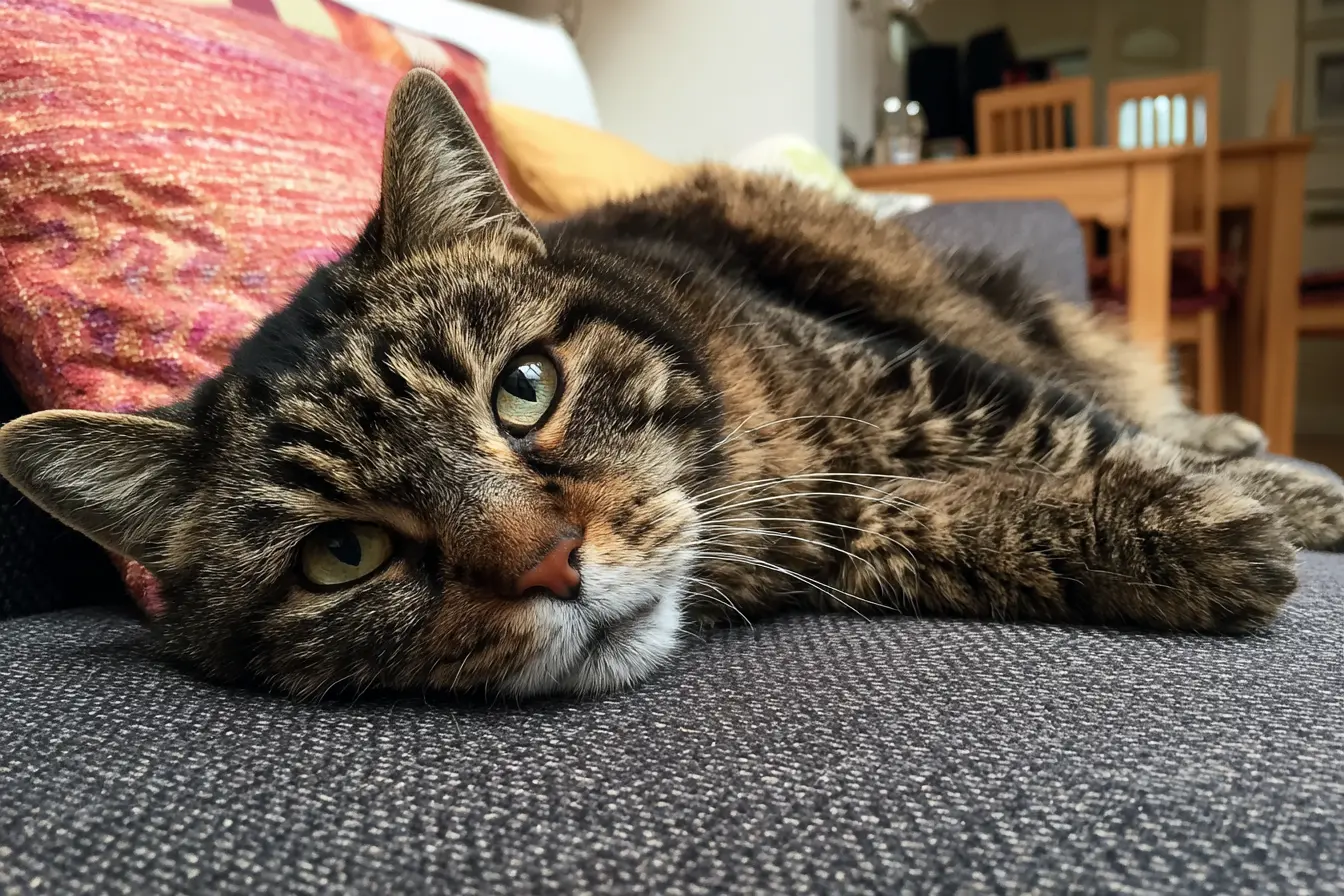
While most cats carry their pregnancies to term without problems, sometimes kittens are born earlier than expected. Premature birth in cats can be worrying for owners, as underdeveloped kittens face higher risks of health complications. Understanding the causes, recognising the signs, and knowing how to care for a queen (mother cat) and her premature kittens can improve their chances of survival.
What Counts as Premature Birth?
A typical cat pregnancy lasts around 63–65 days. Kittens born before 58 days of gestation are considered premature. The earlier they are born, the lower their chances of survival, as they may not yet be fully developed.
Causes of Premature Birth in Cats
Premature labour can occur for several reasons, including:
Infections: Uterine or systemic infections can trigger early delivery.
Stress or trauma: A stressful environment or physical injury may cause premature labour.
Poor health of the queen: Malnutrition, underlying illness, or parasitic infestations.
Multiple pregnancies: Very large litters may sometimes lead to early delivery.
Hormonal imbalances: Abnormal progesterone levels may prevent pregnancy from being sustained.
Genetics: Certain queens may be predisposed to reproductive problems.
Signs of Premature Labour
Premature labour may present similarly to normal labour, but often occurs earlier than expected. Signs include:
Restlessness and nesting behaviour well before the due date
Vaginal discharge (may be bloody or greenish)
Contractions or straining
Delivery of small, weak, or stillborn kittens
If you suspect your cat is going into labour early, contact your vet immediately.
Characteristics of Premature Kittens
Premature kittens may show:
Very small size and low birth weight
Weakness or inability to suckle
Thin or sparse fur (sometimes bald areas)
Closed eyes and ears, even if born past the expected stage
Underdeveloped paw pads and claws
Trouble regulating body temperature
Difficulty breathing
These kittens require extra support, and not all will survive, especially if born very early.
Immediate Care for Premature Kittens
If kittens are born prematurely:
Keep them warm: Premature kittens cannot regulate their temperature. Use a heat pad or warm water bottle wrapped in a towel, keeping the area around 30–32°C. Ensure there is space to move away if they become too warm.
Encourage nursing: Place kittens on a teat to feed. If too weak, they may need to be hand-fed with kitten milk replacer (never cow’s milk).
Stimulate toileting: Like full-term kittens, premature kittens need help urinating and defecating. Gently rub their genital area with a warm, damp cotton pad after feeds.
Monitor breathing: If a kitten is struggling to breathe, gently clear mucus from its nose and mouth. Rub its body with a soft towel to stimulate breathing.
Weigh daily: Track growth with kitchen scales. Premature kittens may gain weight more slowly but should still show progress.
Veterinary Support
Premature kittens are very fragile, and veterinary care is often essential. A vet may:
Assess the health of the mother and check for retained kittens or infection
Provide fluids or oxygen for weak kittens
Prescribe antibiotics if infection caused premature birth
Offer advice on feeding schedules and supportive care
In some cases, despite best efforts, survival rates may be low. Veterinary support maximises the chances of success.
Caring for the Queen After Premature Birth
After premature labour, the queen may be weak or at risk of infection. Support her by:
Providing a quiet, clean, and warm nesting area
Feeding high-quality kitten food to help her regain strength
Ensuring constant access to water
Monitoring for heavy bleeding, lethargy, or fever (all signs requiring veterinary attention)
She may also reject premature kittens if they are very weak. In such cases, human intervention is critical.
Preventing Premature Birth in Cats
While not always preventable, steps can reduce risks:
Ensure queens are in good health before breeding
Provide proper nutrition throughout pregnancy
Minimise stress during gestation
Keep up with routine vet checks and parasite control
Avoid breeding cats with known reproductive problems
Spay cats not intended for breeding to prevent the risk entirely
Conclusion
Premature birth in cats can be distressing and challenging, as premature kittens often struggle to survive without intensive care. By recognising the signs early, providing warmth and nutrition, and seeking veterinary support, you can give both the mother and her kittens the best chance. Prevention through good health care and responsible breeding is the most effective way to avoid premature birth and its associated risks.
Quick questions
- What should I know about premature birth?
- Premature birth in cats occurs when kittens are born before 58 days of gestation, leading to increased health risks. Causes include infections, stress, poor health, large litters, hormonal imbalances, and genetics. Vet Verified can help you compare UK veterinary practices by location, species, services and opening hours before you call.
- When should I contact a vet about premature birth?
- Contact a veterinary practice if your pet seems unwell, symptoms are getting worse, you are unsure what to do, or the situation may be urgent. Vet Verified helps you compare practice details, but a vet should advise on your pet's current care.
- Can Vet Verified help me find cat vets?
- Yes. Use Vet Verified to compare cat vets across the UK, then check practice profiles and call directly to confirm current availability.
Find a vet
Find a veterinary practice
Compare UK veterinary practices related to this topic. Call the practice to confirm its current services and availability.