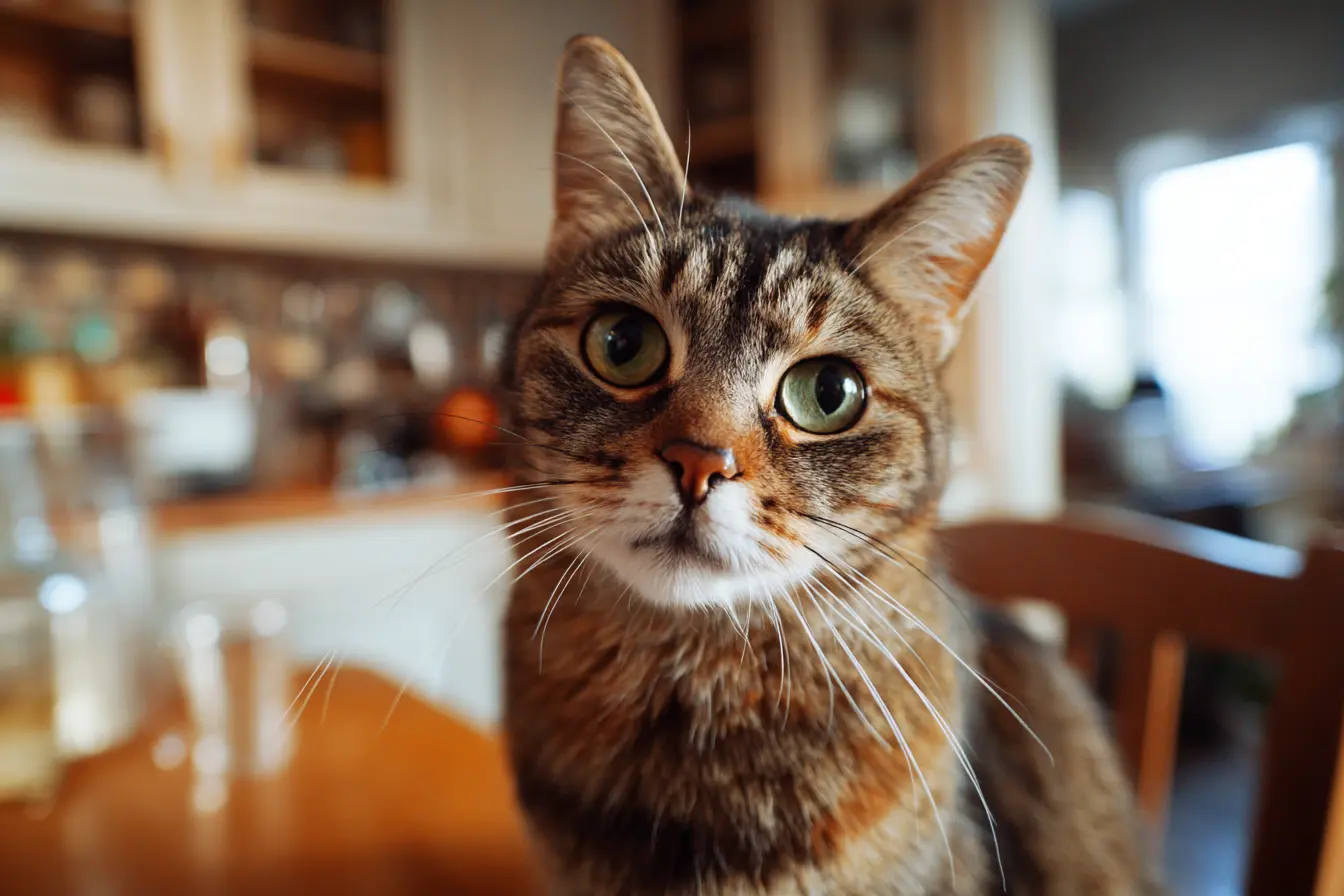
Cats are obligate carnivores, meaning they rely primarily on meat for nutrition. Unlike dogs, they do not naturally seek out vegetables but some vegetables can be safely offered as occasional treats or used to support digestion.
This guide explains which vegetables cats can eat, how to prepare them, and which ones to avoid completely.
Important Rules Before Feeding Vegetables to Cats
Vegetables should be a rare addition, never a major part of a cat’s diet.
Cats often dislike vegetables. Never force them to eat something they don’t want.
Introduce slowly to avoid stomach upset or diarrhoea.
Always cook tough vegetables to aid digestion.
Never season vegetables with salt, butter, oil, garlic, or onions.
Cut into tiny cat-safe pieces to reduce choking risk.
Safe Vegetables for Cats
Carrots
Benefits: Rich in beta-carotene and fibre; low-calorie.
How to serve: Cooked and sliced thinly. Raw carrots are too hard for cats’ teeth.
Note: Offers crunch without many calories.
Peas
Types: Garden peas, mangetout, sugar snap peas.
Benefits: Provide fibre, vitamins B and C, and plant protein.
How to serve: Cooked or lightly steamed; mashed into a small portion of wet food.
Caution: Avoid excessive peas for cats with kidney issues.
Green Beans
Benefits: Good for weight management due to low calorie content.
How to serve: Steamed or boiled, cut into tiny pieces.
Tip: Can be mixed into food to help overweight cats feel fuller.
Broccoli
Benefits: High in antioxidants and fibre.
How to serve: Lightly steamed florets only.
Note: Too much can cause gas.
Pumpkin
Benefits: Excellent for digestive support; helps both constipation and diarrhoea.
How to serve: Plain cooked pumpkin, mashed; no spices or sugar.
Ideal for: Cats with sensitive stomachs.
Courgette
Benefits: Mild, hydrating, low in calories.
How to serve: Lightly cooked or grated raw in small amounts.
Good for: Cats needing weight control.
Sweet Potato
Benefits: Contains fibre and vitamins, gentle on digestion.
How to serve: Must be cooked thoroughly and served plain; offer very small portions.
Caution: High in carbohydrates so offer as an occasional treat only.
Cucumber
Benefits: Hydrating and crunchy.
How to serve: Peeled, sliced thinly, with seeds removed if needed.
Best for: Hot weather hydration.
Spinach
Benefits: Contains vitamins A, C, K, and iron.
How to serve: Lightly steamed.
Warning: Avoid if your cat has a urinary or kidney condition as spinach contains oxalates.
Asparagus
Benefits: Provides vitamins and minerals.
How to serve: Cooked until soft; chopped very finely.
Note: Strong smell may put cats off.
Celery
Benefits: Offers fibre and hydration; some cats enjoy the crunchy texture.
How to serve: Finely chopped; avoid long strings that can cause choking.
Fun fact: Some cats become playful around celery due to natural plant compounds.
Beetroot
Benefits: Adds fibre and antioxidants.
How to serve: Cooked plain and finely minced.
Warning: Can temporarily tint urine or stools pink. This is harmless but can be surprising for owners.
Butternut Squash
Benefits: High in vitamins and easily digestible.
How to serve: Cooked, deseeded, and mashed or diced.
Ideal for: Digestive issues or cats needing gentle fibre.
Lettuce
Benefits: Mild, hydrating, low-calorie.
How to serve: Shredded raw leaves.
Tip: Romaine is more nutritious than iceberg.
Peppers (Only Red or Yellow)
Benefits: Small amounts provide vitamins A and C.
How to serve: Remove seeds; cut into tiny pieces; serve raw or lightly cooked.
Avoid: Green peppers are less sweet and harder for cats to digest.
Vegetables Cats Can Eat Only With Caution
Tomatoes (Ripe Only)
Safe part: Fully ripe red tomato flesh.
Avoid: Green tomatoes, stems, and leaves as they contain toxic solanine.
Advice: Best avoided unless vet-confirmed.
Potatoes
Safe: Fully cooked, plain potatoes only.
Never: Offer raw or green potatoes (solanine toxicity).
Note: Very starchy so only offer occasional bites.
Kale
Benefits: Nutrient-dense.
Caution: Contains calcium oxalate; may irritate the urinary tract.
How to serve: Lightly steamed and minced.
Mushrooms (Shop-Bought Only)
Safe: Plain, supermarket mushrooms.
Danger: Wild mushrooms can be extremely toxic.
Advice: Avoid unless necessary.
Vegetables Cats Must Never Eat
Onions
Includes:
Raw onions
Cooked onions
Onion powder
Foods containing onion
Even tiny amounts can damage red blood cells and cause severe anaemia.
Garlic
More potent than onions and highly toxic.
Avoid all forms: fresh, cooked, powdered, or supplements.
Leeks, Chives, and Shallots
All part of the allium family which is dangerous for cats.
Raw Aubergine
Contains solanine when raw or unripe.
Avoid completely.
Rhubarb
Leaves contain high oxalate levels and is toxic.
How Much Vegetable Can a Cat Eat?
Adult cats: 1–2 teaspoons of vegetable per week is plenty.
Kittens: Avoid vegetables as their digestive systems are too sensitive.
Senior cats: Introduce cautiously and watch for digestive changes.
Vegetables should be:
Occasional
Unseasoned
Soft and cut into tiny pieces
Less than 2% of the total diet
Cats with Special Health Conditions
Diabetic Cats
Avoid high-carbohydrate vegetables such as:
Sweet potato
Carrots
Peas
Cats with Urinary or Kidney Problems
Avoid oxalate-rich vegetables, including:
Spinach
Beetroot
Kale
Overweight Cats
Prefer:
Courgette
Lettuce
Green beans
These add fibre without calories.
Cats with Sensitive Stomachs
Start with gentle options:
Pumpkin
Butternut squash
Courgette
Fun and Safe Ways to Serve Vegetables to Cats
Puree vegetables and mix into wet food.
Freeze small cubes of pumpkin for a hydrating summer treat.
Steam vegetables until soft and mashable.
Mix tiny pieces of veg with cooked chicken for picky eaters.
Use vegetable purée on lick mats for enrichment.
Conclusion
While cats don’t need vegetables to stay healthy, many can safely enjoy small portions of the right kinds. From digestion-friendly pumpkin to hydrating cucumber and fibre-rich green beans, vegetables can offer enrichment and added nutrition when served correctly.
By following this guidance, cat owners can confidently choose safe vegetables and avoid those that pose risks. When in doubt, always check with your vet, especially for cats with existing health conditions.
Quick questions
- What should I know about vegetables?
- Cats are carnivores, but some vegetables can be safe treats or aid digestion. Only offer vegetables occasionally, ensuring they're soft and cut into small pieces. Vet Verified can help you compare UK veterinary practices by location, species, services and opening hours before you call.
- When should I contact a vet about vegetables?
- Contact a veterinary practice if your pet seems unwell, symptoms are getting worse, you are unsure what to do, or the situation may be urgent. Vet Verified helps you compare practice details, but a vet should advise on your pet's current care.
- Can Vet Verified help me find dog vets?
- Yes. Use Vet Verified to compare dog vets across the UK, then check practice profiles and call directly to confirm current availability.
Find a vet
Find a veterinary practice
Compare UK veterinary practices related to this topic. Call the practice to confirm its current services and availability.
Search by species
- Dog vets Find UK veterinary practices that list care for dogs. Compare opening hours, services, facilities and verified profiles, then contact a practice directly.
- Cat vets Find UK veterinary practices that list care for cats. Compare opening hours, services, facilities and verified profiles, then contact a practice directly.
- Bird vets Find UK veterinary practices that list care for birds. Compare opening hours, services, facilities and verified profiles, then contact a practice directly.