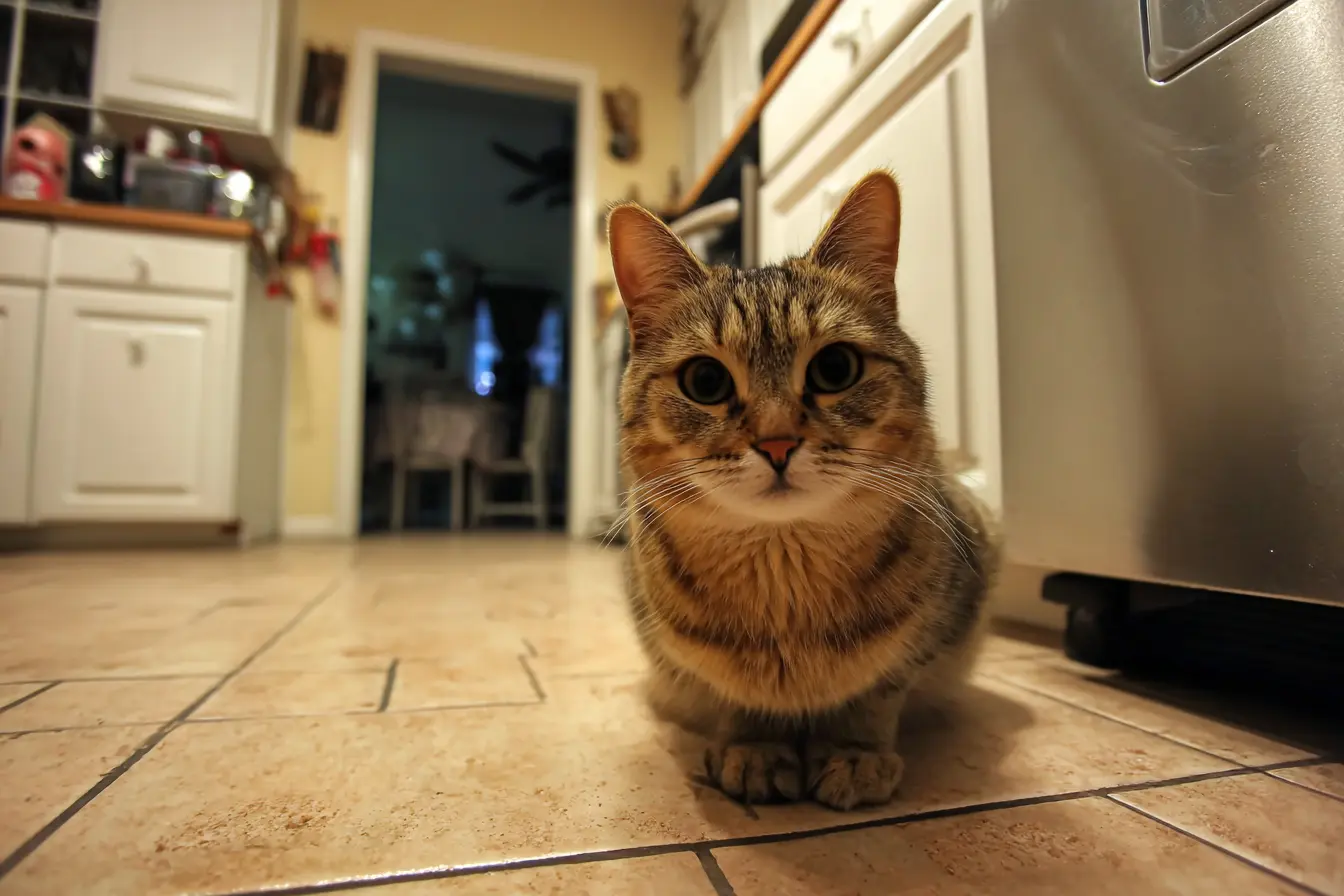
Cats are obligate carnivores, meaning meat is a vital part of their diet. Unlike dogs, cats rely heavily on nutrients found naturally in animal tissues. But with so many types of meat available, chicken, pork, beef, lamb and more, it can be confusing for owners to know what is safe, what should be cooked, whether raw feeding is appropriate, and how to prepare meat safely.
This guide explains everything cat owners need to know about feeding raw and cooked meat, the benefits, the risks, and how to serve meat safely.
Are Cats Allowed to Eat Meat?
Cats can eat meat, it's essential for their health. Meat provides:
Taurine (critical for heart, eye and reproductive health)
Protein
Fat
Vitamins such as B12
Amino acids cats cannot make themselves
Commercial cat foods are designed to meet these needs, but meat can be fed as part of a homemade raw or cooked diet, or as an occasional supplement, provided it is done safely.
Raw vs Cooked Meat: Which Is Better?
Both raw and cooked meat can be fed to cats, but each comes with its own benefits and risks.
Benefits of Raw Meat
Mimics a natural feline diet
High moisture content
Softer texture, easier for some cats to chew
Nutrients remain intact (if handled correctly)
Risks of Raw Meat
Bacterial contamination (e.g., Salmonella, E.coli, Campylobacter)
Parasites (toxoplasma in raw pork or lamb)
Cross-contamination to humans
Risk of nutritional imbalance if raw diet is not properly formulated
Raw feeding can be done safely, but it requires strict hygiene, correct storage, and veterinary guidance.
Benefits of Cooked Meat
Kills harmful bacteria and parasites
Safer for households with children, elderly people or immunocompromised individuals
Easier for owners to prepare
Lower risk of foodborne illness
Risks of Cooked Meat
Overcooking can remove nutrients
Cooked bones are dangerous (splintering hazard)
Unseasoned meat only. Many cooking ingredients (onion, garlic, spices) are toxic to cats
Can Cats Eat Chicken?
Chicken is one of the best meats for cats.
Raw Chicken
Safe in principle, but must be handled carefully to avoid bacterial contamination. Raw chicken often carries salmonella and campylobacter.
If feeding raw chicken:
Use human-grade, fresh meat
Freeze for a minimum of 72 hours if using chicken organs
Thaw in the fridge
Serve plain, without seasoning
Maintain strict hygiene
Cooked Chicken
Very safe and healthy if unseasoned.
Suitable forms include:
Boiled chicken
Plain roasted chicken
Steamed chicken
Grilled chicken (no oils or spices)
Never feed cooked bones, as they splinter and can perforate the stomach or intestines.
Can Cats Eat Beef?
Beef is nutritious, high in protein and iron.
Raw Beef
Generally safer than raw poultry due to lower bacterial loads, but still requires careful handling.
Choose:
Lean beef mince
Beef chunks
Raw heart (excellent taurine source)
Cooked Beef
Safe if plain. Remove excess fat, which may cause pancreatitis. Avoid processed beef like corned beef, burgers, or sausages, which contain salt and additives.
Can Cats Eat Pork?
Pork can be eaten by cats, with caution.
Raw Pork
Raw pork can carry parasites including toxoplasma and trichinella. UK pork is relatively low-risk but not risk-free.
If feeding raw pork:
Freeze for at least 3–7 days to kill parasites
Always use fresh, human-grade pork
Avoid fatty cuts
Cooked Pork
Safe if cooked thoroughly and unseasoned.
Avoid:
Bacon (too salty)
Ham (high salt and preservatives)
Sausages (seasonings, fat, additives)
Pork crackling (risk of pancreatitis)
Lean, plain pork is acceptable as an occasional food.
Can Cats Eat Lamb?
Lamb is rich, flavourful, and many cats love it.
Raw Lamb
More likely than beef to contain parasites and bacteria. Should be:
Sourced from reliable suppliers
Frozen before feeding
Trimmed of excess fat
Cooked Lamb
Safe when cooked plain and fully through.
Avoid serving:
Fatty lamb cuts
Seasoned roast lamb
Lamb bones (cooked bones are dangerous)
Lamb is rich, so it should be given occasionally rather than daily.
Can Cats Eat Organ Meats?
Organ meats are extremely nutritious, especially:
Heart (very high in taurine)
Liver (vitamin-rich but must be limited to avoid toxicity)
Kidney (good for variety in raw diets)
Guidelines:
Liver should be no more than 5% of a cat’s diet
Heart can be fed more frequently
Always serve fresh and properly stored
Do Cats Need Bones in Their Diet?
Only raw bones are safe for cats. Never offer cooked bones.
Raw meaty bones (such as raw chicken wings or necks) are sometimes used to:
Promote dental health
Provide calcium in raw diets
However, bones carry risks:
Choking
Constipation
Tooth fractures
Bone feeding should only be done under guidance from an experienced raw-feeding professional or a vet familiar with feline nutrition.
Important Safety Rules for Feeding Meat to Cats
Never Feed Cooked Bones
They splinter and can cause life-threatening injuries.
Always Avoid Seasonings
Ingredients toxic to cats include:
Onion
Garlic
Salt
Spices
Oils
Meat must always be served plain.
Follow Strict Hygiene Practices
Especially with raw meat:
Wash hands
Clean surfaces
Keep raw meat separate from human food
Use sealed containers
Serve in clean bowls
Avoid Fatty Meats
High fat can cause digestive upset or pancreatitis.
Ensure a Balanced Diet
Cats cannot live on meat alone unless the diet is nutritionally balanced. Homemade raw or cooked diets require:
The correct calcium-to-phosphorus ratio
Essential vitamins and minerals
Adequate taurine
A poorly balanced diet can lead to:
Heart disease
Blindness
Bone problems
Organ failure
For a complete diet, use a commercial cat food, or consult a veterinary nutritionist for homemade plans.
How Much Meat Can a Cat Eat?
If supplementing commercial food:
Meat should make up no more than 10–15% of the weekly diet
Too much plain meat can dilute essential nutrients
If feeding a fully raw or cooked homemade diet:
Must be professionally formulated to ensure complete nutrition
When Meat Is Unsafe for Cats
Never feed:
Cooked bones
Seasoned or salted meat
Processed meats (sausages, deli meats)
Fat trimmings
Spoiled or old meat
Raw pork with unknown origin
Signs Your Cat Has Eaten Unsafe Meat
Watch for:
Vomiting
Diarrhoea
Lethargy
Drooling
Constipation
Abdominal pain
Loss of appetite
Difficulty passing stool (possible obstruction)
Contact your vet if symptoms appear.
Conclusion
Cats can eat chicken, beef, lamb and pork, both raw and cooked, but only when prepared carefully and safely. Raw feeding requires strict hygiene and professional guidance to ensure nutritional balance and avoid bacterial risks. Cooked meat is safer for households but must always be unseasoned and free from bones.
Whether feeding raw or cooked meat, it should complement a complete and balanced diet rather than replace it. When in doubt, speak to your vet or a feline nutrition expert to make sure your cat gets everything they need to stay healthy, strong, and happy.
Quick questions
- What should I know about meat?
- Feeding your cat meat is vital as they're obligate carnivores. Options like chicken, beef, lamb, and pork are suitable if prepared safely. Meat provides taurine, protein, and essential vitamins. Vet Verified can help you compare UK veterinary practices by location, species, services and opening hours before you call.
- When should I contact a vet about meat?
- Contact a veterinary practice if your pet seems unwell, symptoms are getting worse, you are unsure what to do, or the situation may be urgent. Vet Verified helps you compare practice details, but a vet should advise on your pet's current care.
- Can Vet Verified help me find dog vets?
- Yes. Use Vet Verified to compare dog vets across the UK, then check practice profiles and call directly to confirm current availability.
Find a vet
Find a veterinary practice
Compare UK veterinary practices related to this topic. Call the practice to confirm its current services and availability.
Search by species
- Dog vets Find UK veterinary practices that list care for dogs. Compare opening hours, services, facilities and verified profiles, then contact a practice directly.
- Cat vets Find UK veterinary practices that list care for cats. Compare opening hours, services, facilities and verified profiles, then contact a practice directly.
- Bird vets Find UK veterinary practices that list care for birds. Compare opening hours, services, facilities and verified profiles, then contact a practice directly.