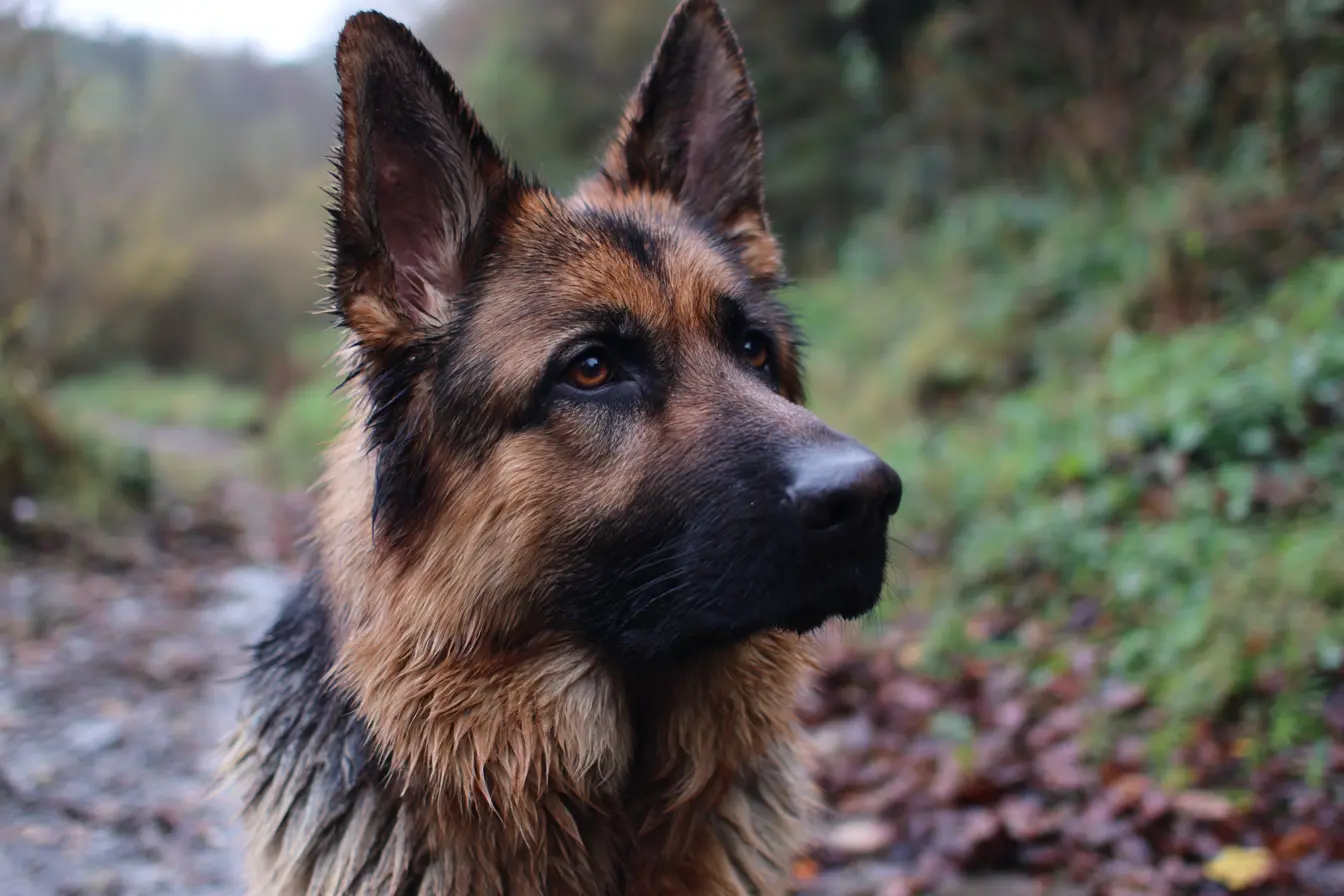
Retinal detachment is a serious eye condition in dogs that can lead to partial or complete vision loss. The retina is the light-sensitive layer of tissue at the back of the eye that plays a critical role in vision. When this delicate structure separates from the underlying tissues that supply it with oxygen and nutrients, it can no longer function properly.
Retinal detachment may occur suddenly or develop gradually, depending on the underlying cause. While the condition can be alarming, early veterinary diagnosis and treatment can sometimes restore vision or prevent further damage. Understanding the causes, symptoms, and treatment options can help dog owners recognise the problem quickly and seek prompt care.
What Is Retinal Detachment?
The retina is responsible for converting light entering the eye into electrical signals that travel through the optic nerve to the brain. These signals allow the brain to interpret visual information.
Retinal detachment occurs when the retina separates from the layer beneath it, known as the retinal pigment epithelium. This separation disrupts the supply of oxygen and nutrients to the retinal cells, causing them to malfunction or die.
When the retina becomes detached, vision may become blurred, distorted, or completely lost depending on how much of the retina is affected.
Retinal detachment can occur in one eye or both eyes and may develop as a result of disease, trauma, or systemic health problems.
Types of Retinal Detachment in Dogs
Veterinarians classify retinal detachment based on how the separation occurs.
Exudative Retinal Detachment
This type occurs when fluid accumulates beneath the retina, pushing it away from the underlying tissue. The fluid buildup is usually caused by inflammation, infection, or systemic diseases that affect blood vessels in the eye.
Exudative retinal detachment is one of the more common forms seen in dogs.
Rhegmatogenous Retinal Detachment
Rhegmatogenous detachment occurs when a tear or hole forms in the retina. Fluid from inside the eye passes through the tear and collects behind the retina, causing it to detach.
This type may occur after trauma, degeneration of the retina, or severe eye disease.
Tractional Retinal Detachment
Tractional detachment develops when scar tissue forms on the retina and gradually pulls it away from the underlying structures.
This can occur after chronic inflammation or previous eye injury.
Causes of Retinal Detachment in Dogs
Several different conditions can lead to retinal detachment in dogs. Identifying the underlying cause is important for determining treatment and prognosis.
High Blood Pressure
High blood pressure, also called hypertension, is one of the most common causes of retinal detachment in dogs. Increased pressure within blood vessels can cause leakage of fluid beneath the retina.
Hypertension often develops secondary to other conditions such as kidney disease or hormonal disorders.
Eye Trauma
Injuries to the eye or head can cause damage to retinal tissues or blood vessels, leading to detachment.
Blunt trauma, bite wounds, or accidents may all result in retinal injury.
Inflammatory Eye Disease
Inflammation inside the eye can lead to fluid accumulation or scar tissue formation, both of which may cause the retina to separate.
Uveitis is a common inflammatory condition associated with retinal detachment.
Infections
Certain bacterial, viral, fungal, or parasitic infections can affect the eye and lead to retinal inflammation or detachment.
Systemic infections that spread through the bloodstream may also damage retinal tissues.
Genetic Disorders
Some dogs inherit conditions that weaken retinal tissues or cause progressive degeneration of the retina.
Progressive retinal atrophy, for example, may eventually contribute to retinal detachment.
Tumours
Tumours inside the eye or elsewhere in the body can interfere with blood supply or produce fluid that accumulates behind the retina.
Congenital Defects
In rare cases, puppies may be born with abnormalities in retinal development that predispose them to detachment.
Symptoms and Signs
The signs of retinal detachment may vary depending on the severity and how rapidly the condition develops.
Common symptoms include:
Sudden or gradual vision loss
Bumping into objects or furniture
Dilated pupils that do not respond normally to light
Difficulty navigating familiar environments
Changes in eye appearance such as cloudiness
Visible changes inside the eye detected during examination
Disorientation or hesitation when walking
Reduced ability to see in dim light
Dogs with sudden retinal detachment may appear confused or anxious because they cannot see properly.
Diagnosis
Diagnosing retinal detachment requires a thorough eye examination performed by a veterinarian.
Eye Examination
The veterinarian will use specialised instruments to examine the internal structures of the eye. This allows direct visualisation of the retina and helps determine whether detachment has occurred.
Ophthalmoscopy
Ophthalmoscopy allows the vet to inspect the retina and optic nerve using a bright light and magnification.
Ultrasound Examination
If the inside of the eye cannot be clearly seen due to cloudiness or bleeding, ultrasound imaging may be used to confirm retinal detachment.
Blood Pressure Measurement
Because high blood pressure is a common cause, the vet may measure the dog’s blood pressure.
Blood Tests
Blood tests may be performed to identify underlying diseases such as infections, kidney disease, or hormonal disorders.
Treatment Options
Treatment for retinal detachment depends on the cause and severity of the condition.
Treating the Underlying Cause
If retinal detachment is caused by another health problem, treating that condition is essential.
Examples include:
Medications to control high blood pressure
Antibiotics or antifungal drugs for infections
Anti-inflammatory medications for immune-related conditions
Medical Management
In cases where fluid accumulation is responsible for the detachment, medications may help reduce inflammation and fluid buildup.
Prompt treatment may allow the retina to reattach in some situations.
Surgical Treatment
In some cases, specialised surgery may be performed to repair the retina. These procedures are typically performed by veterinary ophthalmologists and may involve techniques designed to reposition the retina.
However, surgery is not always possible or successful depending on the cause and duration of the detachment.
Managing Vision Loss
If vision cannot be restored, the focus shifts to helping the dog adapt to reduced or lost vision.
Dogs rely heavily on their sense of smell and hearing and often adjust well to blindness.
Prognosis
The outlook for dogs with retinal detachment varies widely depending on the cause and how quickly treatment begins.
Early treatment may allow the retina to reattach and restore some vision.
Long-standing detachments often result in permanent vision loss.
Treating underlying conditions such as hypertension may prevent further damage.
Dogs that lose their vision can still enjoy a good quality of life with proper care and support.
Prevention
Although retinal detachment cannot always be prevented, certain measures can help reduce risk.
Regular Veterinary Check-ups
Routine health examinations can detect conditions such as high blood pressure or kidney disease before they affect the eyes.
Monitoring Eye Health
Owners should watch for signs of vision problems or eye abnormalities and seek veterinary advice if concerns arise.
Protecting Dogs from Injury
Preventing head and eye trauma can reduce the risk of retinal damage.
Responsible Breeding
Breeding dogs with inherited eye diseases should be avoided to reduce the risk of genetic eye conditions.
Living with a Dog with Vision Loss
Dogs that experience retinal detachment and vision loss can still live happy, fulfilling lives.
Owners can support them by:
Keeping furniture and household layouts consistent
Using verbal commands and sound cues
Providing toys with scent or noise
Maintaining predictable daily routines
Ensuring outdoor areas are safe and enclosed
Most dogs adjust remarkably well to vision loss and continue to enjoy play, walks, and companionship.
Conclusion
Retinal detachment in dogs is a serious eye condition that can lead to sudden or progressive vision loss. It occurs when the retina separates from the underlying tissue that supports its function.
The condition may result from high blood pressure, trauma, inflammation, infection, or genetic disorders. Early veterinary diagnosis and treatment are essential for improving the chances of preserving vision.
Even when vision cannot be restored, dogs are highly adaptable and can live full, happy lives with the right support and care from their owners.
Quick questions
- What should I know about retinal detachment?
- Retinal detachment in dogs is a serious eye condition that can cause vision loss. It occurs when the retina separates from the tissue that provides oxygen and nutrients. Vet Verified can help you compare UK veterinary practices by location, species, services and opening hours before you call.
- When should I contact a vet about retinal detachment?
- Contact a veterinary practice if your pet seems unwell, symptoms are getting worse, you are unsure what to do, or the situation may be urgent. Vet Verified helps you compare practice details, but a vet should advise on your pet's current care.
- Can Vet Verified help me find dog vets?
- Yes. Use Vet Verified to compare dog vets across the UK, then check practice profiles and call directly to confirm current availability.
Find a vet
Find a veterinary practice
Compare UK veterinary practices related to this topic. Call the practice to confirm its current services and availability.