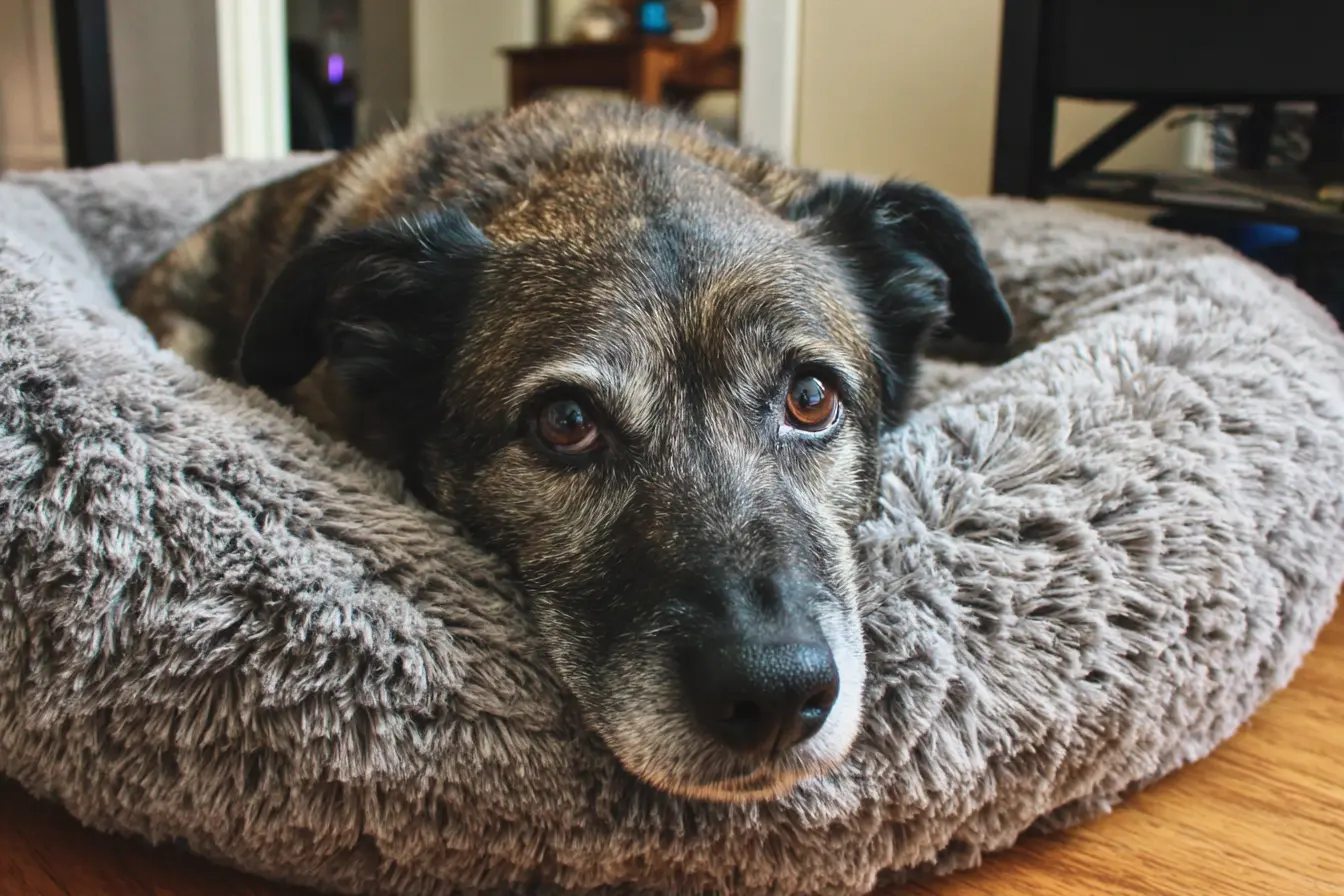
Blindness in dogs can be a frightening diagnosis for owners, but many dogs adapt remarkably well to losing their sight. Vision loss may occur suddenly due to injury or illness, or it may develop gradually as part of ageing or progressive eye disease. While blindness can significantly affect a dog’s behaviour and quality of life, early diagnosis and proper management can help many dogs remain happy, confident, and active.
This comprehensive guide explains what blindness in dogs is, the common causes, warning signs, diagnostic methods, treatment options, and how to support a dog living without vision.
What Is Blindness in Dogs?
Blindness in dogs refers to the partial or complete loss of vision in one or both eyes. It can occur when any part of the visual system stops functioning properly. This system includes the eyes themselves, the optic nerves that transmit visual information, and the brain centres that process what the dog sees.
Vision loss can appear in different ways. Some dogs lose their sight gradually over months or years, while others experience sudden blindness within hours or days. The severity also varies. Some dogs retain limited light perception, while others become completely unable to see.
Because dogs rely heavily on their sense of smell and hearing, many adapt extremely well to blindness and can continue to live full and comfortable lives.
Types of Blindness in Dogs
Blindness may develop in several forms depending on the underlying cause and how quickly the condition progresses.
Sudden Blindness
Sudden blindness occurs when a dog loses vision rapidly, often within a short period of time. This type of vision loss is usually caused by an acute medical condition affecting the eyes or nervous system.
Possible causes include:
Sudden acquired retinal degeneration syndrome
Glaucoma
Severe trauma to the eye
Retinal detachment
Certain neurological conditions
Sudden blindness is often considered a veterinary emergency and should be evaluated immediately.
Gradual Blindness
Gradual vision loss develops slowly over time. Dogs may adjust so well that owners do not notice the change until the condition becomes advanced.
Common causes include:
Progressive retinal atrophy
Cataracts
Age-related degeneration of the eyes
Partial Vision Loss
Some dogs do not become completely blind but instead experience reduced visual ability. This may include difficulty seeing in low light, trouble focusing on objects, or limited peripheral vision.
Complete Blindness
Complete blindness occurs when a dog has no visual perception at all. The dog relies entirely on other senses to navigate its surroundings.
Causes of Blindness in Dogs
Blindness in dogs can result from a wide range of eye diseases, injuries, and neurological disorders.
Cataracts
Cataracts are one of the most common causes of vision loss in dogs. A cataract occurs when the normally clear lens of the eye becomes cloudy, preventing light from reaching the retina.
Cataracts may develop due to:
Ageing
Diabetes
Genetic predisposition
Eye injury or inflammation
Progressive Retinal Atrophy
Progressive retinal atrophy is a hereditary condition that causes gradual degeneration of the retina, the light-sensitive tissue at the back of the eye. As the disease progresses, the retina stops functioning properly, eventually leading to blindness.
Many dogs with this condition first lose their night vision before becoming completely blind.
Glaucoma
Glaucoma occurs when fluid pressure inside the eye increases, damaging the optic nerve and retina. The condition is extremely painful and can lead to rapid blindness if not treated quickly.
Certain breeds are genetically predisposed to glaucoma.
Retinal Detachment
Retinal detachment occurs when the retina separates from the back of the eye. This prevents the retina from receiving nutrients and functioning normally.
Possible causes include:
Trauma
High blood pressure
Inflammation
Tumours within the eye
Sudden Acquired Retinal Degeneration Syndrome
This condition causes rapid and irreversible blindness in otherwise healthy dogs. The retina suddenly stops functioning even though the eye may appear normal.
The exact cause of this syndrome is not fully understood.
Eye Injuries
Physical trauma such as scratches, puncture wounds, or blunt force injury can damage the eye structures and lead to vision loss.
Neurological Disorders
Problems affecting the brain or optic nerves can also cause blindness. These may include:
Brain tumours
Infections
Inflammation of the nervous system
Head trauma
Symptoms and Signs
The signs of blindness in dogs can vary depending on how quickly the vision loss develops.
Common Symptoms Include
Bumping into furniture, walls, or objects
Difficulty navigating familiar environments
Reluctance to climb stairs or jump onto furniture
Increased anxiety or clingy behaviour
Disorientation, especially in new places
Changes in eye appearance such as cloudiness or redness
Dilated pupils that do not respond normally to light
Difficulty finding food bowls or toys
Dogs that gradually lose vision often compensate well, so early symptoms may be subtle.
Diagnosis
A veterinary examination is necessary to determine whether a dog is blind and identify the underlying cause.
Veterinary Eye Examination
The vet will examine the eyes using specialised instruments to evaluate:
The cornea
The lens
The retina
Eye pressure
Pupil response to light
Vision Testing
Simple behavioural tests may be used to assess vision, such as observing whether the dog tracks moving objects or reacts to hand motions.
Tonometry
Tonometry measures pressure inside the eye and is used to diagnose glaucoma.
Ophthalmoscopy
This test allows the vet to examine the retina and optic nerve at the back of the eye.
Electroretinography
Electroretinography measures electrical activity within the retina and helps determine whether the retina is functioning properly.
Imaging Tests
In some cases, imaging such as ultrasound or MRI may be required to investigate problems affecting the optic nerves or brain.
Treatment Options
Treatment depends entirely on the underlying cause of blindness.
Cataract Surgery
Cataracts can sometimes be treated with surgical removal of the cloudy lens. In many cases, an artificial lens is implanted to restore vision.
This procedure is typically performed by a veterinary ophthalmologist.
Glaucoma Treatment
Treatment for glaucoma focuses on reducing pressure inside the eye. This may involve:
Eye drops
Oral medications
Laser procedures
Surgical intervention
Early treatment is essential to prevent permanent vision loss.
Managing Infections or Inflammation
If blindness is caused by infection or inflammation, treatment may include antibiotics, anti-inflammatory medications, or immune-modulating drugs.
Treatment of Underlying Diseases
Conditions such as diabetes or high blood pressure must be managed to prevent further damage to the eyes.
When Vision Cannot Be Restored
Unfortunately, some causes of blindness cannot be reversed. In these cases, the focus shifts to helping the dog adapt and maintain a good quality of life.
Prognosis
The outlook for blind dogs depends on the cause of the vision loss.
Treatable conditions such as cataracts may allow vision to be restored.
Progressive conditions like retinal degeneration often result in permanent blindness.
Dogs that become blind due to injury or advanced disease may not regain sight.
Despite this, many blind dogs live long, fulfilling lives with proper support and environmental adjustments.
Living with a Blind Dog
Dogs rely heavily on their sense of smell and hearing, which allows them to adapt surprisingly well to blindness.
Owners can help by making small adjustments at home.
Maintain a Consistent Environment
Avoid frequently rearranging furniture so the dog can memorise the layout of the home.
Use Verbal Cues
Teach simple commands such as "step", "stop", and "slow" to help guide the dog.
Provide Safe Spaces
Ensure that stairs, pools, and balconies are secure to prevent accidents.
Use Scent and Sound
Toys that make noise or carry a strong scent can help blind dogs locate them more easily.
Keep Walks Predictable
Walking along familiar routes helps build confidence and reduces anxiety.
Prevention
While not all cases of blindness can be prevented, some steps can reduce the risk.
Regular Veterinary Check-ups
Routine eye examinations can detect problems early before vision loss becomes severe.
Protect the Eyes
Avoid situations where dogs may suffer eye injuries, such as rough play with sharp objects or exposure to dangerous chemicals.
Responsible Breeding
Breeders should screen for inherited eye diseases such as progressive retinal atrophy.
Manage Health Conditions
Proper management of diseases like diabetes and high blood pressure can help protect eye health.
Conclusion
Blindness in dogs can be challenging, but it does not mean a dog’s life is over. With proper veterinary care, early diagnosis, and thoughtful support from their owners, many blind dogs adapt extremely well and continue to live happy and fulfilling lives.
Understanding the causes and warning signs of vision loss allows owners to seek help early and provide the best possible care for their dogs. With patience, consistency, and a safe environment, blind dogs can remain confident companions who continue to explore and enjoy the world in their own unique way.
Quick questions
- What should I know about blindness?
- Blindness in dogs can happen suddenly or gradually due to various causes like injury, ageing, or diseases such as cataracts and glaucoma. Vet Verified can help you compare UK veterinary practices by location, species, services and opening hours before you call.
- When should I contact a vet about blindness?
- Contact a veterinary practice if your pet seems unwell, symptoms are getting worse, you are unsure what to do, or the situation may be urgent. Vet Verified helps you compare practice details, but a vet should advise on your pet's current care.
- Can Vet Verified help me find dog vets?
- Yes. Use Vet Verified to compare dog vets across the UK, then check practice profiles and call directly to confirm current availability.
Find a vet
Find a veterinary practice
Compare UK veterinary practices related to this topic. Call the practice to confirm its current services and availability.