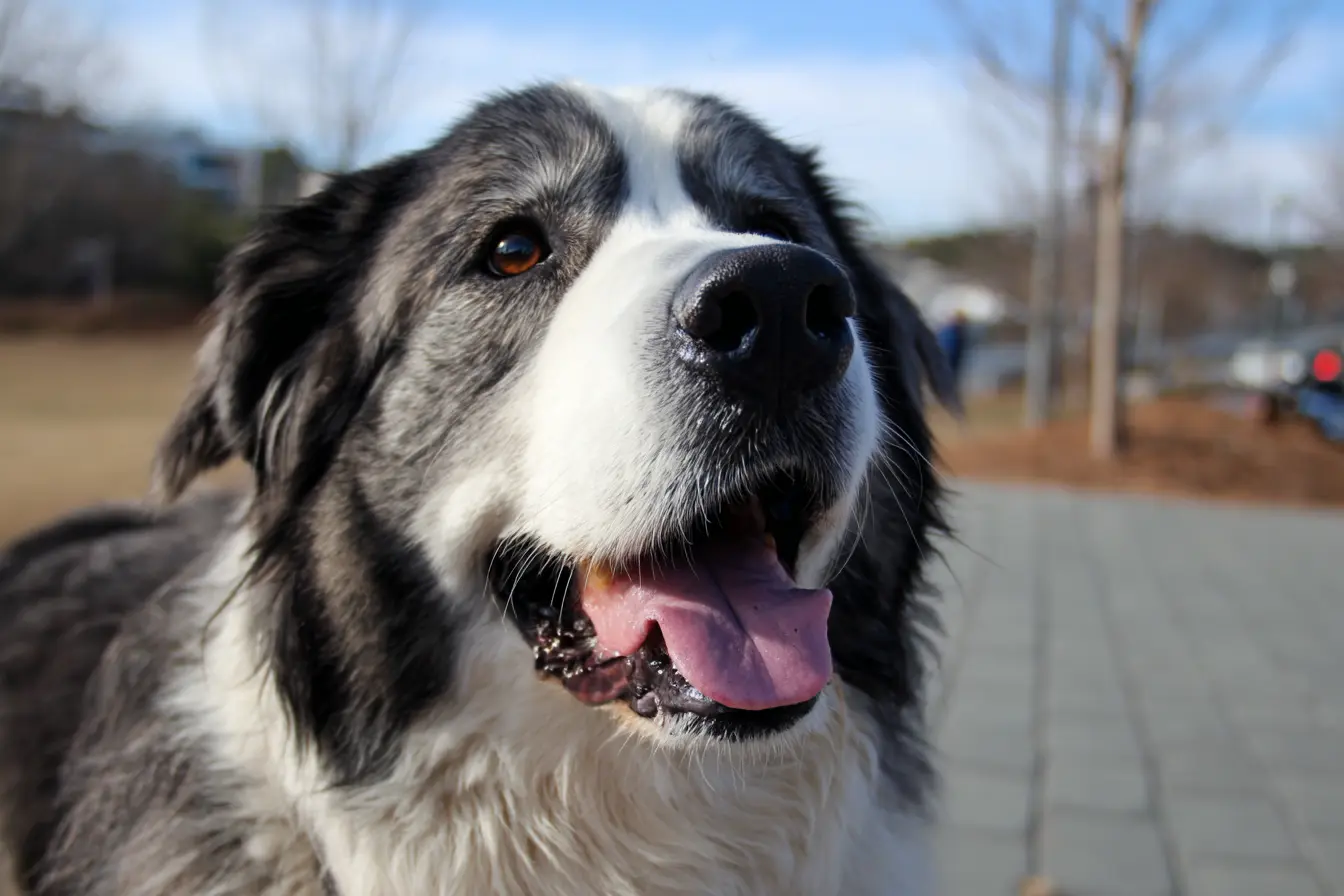
Peritonitis is a serious and potentially life-threatening condition in dogs that occurs when the peritoneum, the thin membrane lining the abdominal cavity and covering the internal organs, becomes inflamed. This inflammation is usually caused by infection, internal injury, or leakage of abdominal contents such as bile, urine, or intestinal material.
Because the abdominal cavity contains many vital organs, peritonitis can rapidly lead to severe illness, systemic infection (sepsis), and organ failure if not treated promptly. However, with early diagnosis and appropriate veterinary care, many dogs can recover successfully.
This comprehensive guide explains what peritonitis is, what causes it, the warning signs to watch for, and how it is diagnosed, treated, and prevented.
What Is Peritonitis?
The peritoneum is a delicate protective membrane that lines the inside of the abdomen and surrounds organs such as the liver, stomach, intestines, and bladder. It helps keep organs in place and produces a small amount of lubricating fluid that allows them to move smoothly against each other.
Peritonitis occurs when this membrane becomes inflamed due to contamination or irritation within the abdominal cavity.
When bacteria, digestive fluids, bile, urine, or foreign material enter the abdomen, the body mounts an inflammatory response. This can quickly lead to:
Severe abdominal pain
Fluid accumulation in the abdomen
Infection spreading through the bloodstream
Shock or organ failure in severe cases
Peritonitis is considered a veterinary emergency, and immediate medical attention is critical.
Types of Peritonitis in Dogs
Peritonitis can be classified into several types depending on the underlying cause.
Septic Peritonitis
Septic peritonitis occurs when bacteria enter the abdominal cavity, usually due to rupture or leakage from the gastrointestinal tract or another organ.
Common causes include:
Intestinal rupture or perforation
Burst abscess within the abdomen
Surgical complications
Penetrating injuries such as bite wounds
Septic peritonitis is the most dangerous form because infection can rapidly spread throughout the body.
Non-Septic Peritonitis
In non-septic peritonitis, inflammation occurs without bacterial infection. Instead, it is triggered by irritating substances leaking into the abdomen.
Possible causes include:
Bile leakage from the gallbladder or bile ducts
Urine leakage from a ruptured bladder
Pancreatic enzymes escaping during pancreatitis
Blood accumulation from internal bleeding
Although bacteria may not initially be present, the inflammation can still become severe.
Localised Peritonitis
In some cases, inflammation remains confined to a small area of the abdomen. The body may form protective scar tissue or abscesses to isolate the problem.
Localised peritonitis is generally less severe than widespread infection but still requires veterinary treatment.
Generalised Peritonitis
Generalised peritonitis occurs when inflammation spreads throughout the entire abdominal cavity. This form is extremely serious and often leads to sepsis and shock if untreated.
Causes and Risk Factors
Peritonitis is not a disease itself but a complication of other underlying problems.
Gastrointestinal Rupture
One of the most common causes is a tear or rupture in the stomach or intestines, allowing bacteria and digestive contents to spill into the abdomen.
Possible triggers include:
Intestinal blockage from toys, bones, or other foreign objects
Severe ulcers
Trauma
Tumours affecting the digestive tract
Abdominal Trauma
Blunt force trauma such as being hit by a car or suffering a severe fall can damage internal organs and cause leakage into the abdominal cavity.
Surgical Complications
Although rare, abdominal surgery can occasionally lead to:
Leakage from surgical sites
Accidental organ injury
Infection following the procedure
Pancreatitis
Inflammation of the pancreas can release digestive enzymes into surrounding tissues, irritating the peritoneum and triggering inflammation.
Gallbladder or Bile Duct Rupture
If bile leaks into the abdomen, it causes intense irritation and inflammation of the peritoneal lining.
Bladder Rupture
Trauma or urinary obstruction can cause the bladder to rupture, leading to urine accumulation in the abdominal cavity.
Foreign Bodies
Objects swallowed by dogs can perforate the intestines or stomach, resulting in leakage of bacteria and digestive contents.
Symptoms and Signs
Peritonitis can develop rapidly, and symptoms may worsen quickly as inflammation and infection spread.
Common Symptoms Include
Severe abdominal pain and sensitivity to touch
Swollen or distended abdomen
Lethargy and weakness
Loss of appetite
Vomiting or nausea
Fever or abnormally low body temperature
Rapid breathing or panting
Dehydration with dry gums
Collapse or signs of shock
Dogs with peritonitis often adopt a prayer position, with their front legs stretched forward and rear raised, as this posture can relieve abdominal discomfort.
Any dog showing these symptoms should be seen by a vet immediately.
Diagnosis
Diagnosing peritonitis involves identifying both the inflammation and the underlying cause.
Diagnostic Methods
Physical examination
The vet will examine the dog’s abdomen for pain, swelling, and signs of dehydration or shock.
Blood tests
Blood testing helps assess infection levels, organ function, and electrolyte balance.
Abdominal ultrasound
Ultrasound imaging can detect fluid accumulation, organ damage, intestinal rupture, or abscess formation.
X-rays
Radiographs may reveal foreign objects, abnormal gas patterns, or free air in the abdomen that suggests intestinal rupture.
Abdominal fluid analysis
A small sample of abdominal fluid may be collected with a needle and examined for bacteria, inflammatory cells, and digestive material.
Exploratory surgery
In severe or unclear cases, emergency surgery may be required to locate and repair the source of contamination.
Treatment Options
Treatment for peritonitis depends on the cause and severity but almost always requires intensive veterinary care.
Emergency Stabilisation
Before addressing the underlying problem, the vet will stabilise the dog.
This may include:
Intravenous fluids to treat dehydration and shock
Pain relief medications
Broad-spectrum antibiotics to control infection
Correction of electrolyte imbalances
Dogs with severe peritonitis are typically hospitalised.
Surgical Treatment
Surgery is often necessary to remove the source of contamination.
Procedures may include:
Repairing a ruptured intestine or stomach
Removing foreign objects
Draining abscesses
Repairing bladder or bile duct ruptures
Flushing the abdominal cavity with sterile fluids
The abdomen may also be drained temporarily to remove contaminated fluid.
Medical Management
In some mild or non-septic cases, surgery may not be required.
Medical treatment may include:
Antibiotics
Anti-inflammatory medications
Fluid therapy
Nutritional support
Close monitoring is essential to ensure the condition does not worsen.
Prognosis
The outlook for dogs with peritonitis depends largely on the cause, severity, and how quickly treatment begins.
Early-treated cases often recover well with prompt surgery and supportive care.
Moderate cases may require longer hospitalisation but can still recover successfully.
Severe or untreated cases may lead to sepsis, organ failure, and death.
Septic peritonitis has a guarded prognosis, but survival rates improve significantly when treatment begins quickly.
Prevention
Although not all cases of peritonitis can be prevented, certain steps can reduce the risk.
Responsible Supervision
Prevent dogs from swallowing dangerous objects such as toys, stones, bones, or household items.
Early Veterinary Care
Prompt treatment of gastrointestinal problems, infections, or abdominal injuries can prevent complications that lead to peritonitis.
Post-Surgical Monitoring
Dogs recovering from abdominal surgery should be monitored closely for signs of pain, swelling, vomiting, or lethargy.
Injury Prevention
Keeping dogs safely restrained near roads and supervising them in potentially hazardous environments can reduce the risk of abdominal trauma.
Living with a Dog Recovering from Peritonitis
Recovery from peritonitis may take several weeks and requires careful home management.
Owners should:
Administer all prescribed medications exactly as directed
Limit physical activity during recovery
Provide easily digestible food if recommended by the vet
Attend follow-up veterinary visits to monitor healing
With proper care and monitoring, many dogs can make a full recovery and return to normal life.
Conclusion
Peritonitis in dogs is a severe and potentially life-threatening condition that requires immediate veterinary attention. It occurs when the lining of the abdomen becomes inflamed due to infection, trauma, or leakage from internal organs.
Although the condition can be extremely serious, early diagnosis and rapid treatment significantly improve the chances of survival. By recognising warning signs quickly and seeking veterinary care without delay, dog owners can help protect their pets from the dangers of this medical emergency.
With awareness, prompt treatment, and proper recovery care, many dogs affected by peritonitis are able to return to healthy, active lives.
Quick questions
- What should I know about peritonitis?
- Peritonitis in dogs is a serious condition involving inflammation of the peritoneum, often due to infection or injury. It can lead to severe illness if untreated, causing symptoms like abdominal pain, lethargy, and vomiting. Vet Verified can help you compare UK veterinary practices by location, species, services and opening hours before you call.
- When should I contact a vet about peritonitis?
- Contact a veterinary practice if your pet seems unwell, symptoms are getting worse, you are unsure what to do, or the situation may be urgent. Vet Verified helps you compare practice details, but a vet should advise on your pet's current care.
- Can Vet Verified help me find dog vets?
- Yes. Use Vet Verified to compare dog vets across the UK, then check practice profiles and call directly to confirm current availability.
Find a vet
Find a veterinary practice
Compare UK veterinary practices related to this topic. Call the practice to confirm its current services and availability.