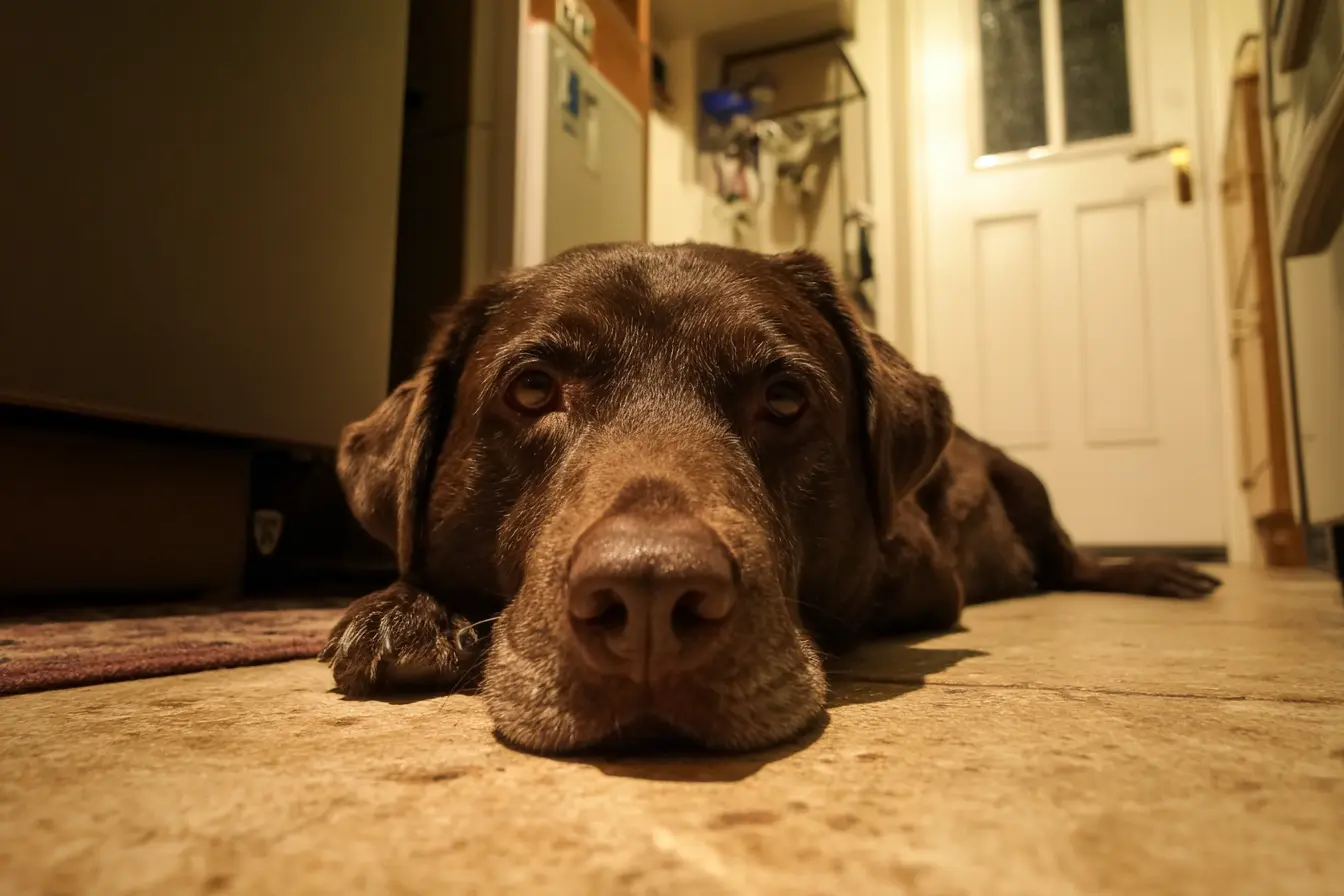
For many dogs, fireworks are not a celebration but a source of genuine fear. The sudden bangs, high-pitched whistles and unpredictable flashes can trigger intense anxiety, leaving some dogs trembling, pacing or desperately trying to escape. Firework fear is one of the most common noise-related phobias in dogs, and without support it can worsen over time.
The good news is that there are practical, evidence-based ways to reduce distress and help your dog feel safer, both during firework season and in the long term.
Why Fireworks Are So Frightening for Dogs
Dogs experience fireworks differently from humans. Their hearing is significantly more sensitive, allowing them to detect higher frequencies and sounds at greater distances. What may sound like a distant pop to you can be an overwhelming explosion to them.
Several factors contribute to firework anxiety:
The unpredictability of the noise
Sudden volume changes
High-frequency sounds
Vibrations through the ground
Flashes of light accompanying the bangs
Inability to locate the source of the noise
Because fireworks are random and uncontrollable, dogs cannot anticipate when the next noise will occur. This lack of predictability intensifies fear.
Signs Your Dog Is Afraid of Fireworks
Fear responses vary between individuals. Some dogs show subtle signs of stress, while others experience full panic.
Common signs include:
Trembling or shaking
Pacing
Panting excessively
Hiding or seeking small enclosed spaces
Clinginess
Barking or whining
Attempting to escape
House-soiling
Refusing food
In severe cases, dogs may injure themselves trying to break through doors, windows or crates. Recognising early signs allows you to intervene before fear escalates.
Preparing Before Firework Season
Preparation is far more effective than reacting on the night itself. Ideally, begin planning several weeks in advance.
Create a Safe Space
Designate a quiet area of your home where your dog can retreat. This space should:
Be away from external doors and windows
Have curtains or blinds that can be closed
Contain comfortable bedding
Include familiar scents and favourite toys
Some dogs prefer small, enclosed areas such as a covered crate or a space under a table draped with blankets. The goal is to create a den-like environment that feels secure.
Mask the Noise
While you cannot eliminate firework sounds completely, you can reduce their impact by:
Closing windows and curtains
Playing background noise such as television, white noise or calming music
Turning on fans or household appliances that provide steady sound
Consistent background noise can help muffle sudden bangs.
Ensure Identification Is Up to Date
Fearful dogs may attempt to escape. Before firework season, check that:
Microchip details are current
ID tags are secure and legible
Garden fences and gates are intact
Prevention is essential.
What to Do on the Night
When fireworks begin, your primary role is to provide calm reassurance and practical support.
Stay Calm Yourself
Dogs are sensitive to human emotion. If you appear anxious or overly reactive, it can reinforce their perception that something is wrong. Maintain a normal tone of voice and routine where possible.
Allow Them to Choose Where to Settle
Do not force your dog to remain in a specific spot. Some dogs prefer to hide; others want to stay close to their owner. Both responses are valid coping strategies.
Offer Gentle Reassurance
Contrary to outdated advice, comforting a frightened dog does not “reward” fear. If your dog seeks contact, calm petting and soft reassurance can help lower stress levels.
Use Enrichment Distractions
If your dog is still able to eat, providing:
Long-lasting chews
Stuffed food toys
Scatter feeding activities
can redirect focus and create positive associations. However, severely panicked dogs may not be interested in food.
Keep Walks Earlier in the Day
During firework season, walk your dog well before dark to avoid unexpected noise exposure. Keep them indoors once fireworks are likely to begin.
Long-Term Training: Reducing Firework Fear
Managing the immediate situation is important, but long-term improvement requires structured behavioural work.
Desensitisation and Counterconditioning
This evidence-based approach involves gradually exposing your dog to firework sounds at a very low volume while pairing the sound with something positive, such as high-value treats.
The process involves:
Playing a recording at barely audible volume
Rewarding calm behaviour
Slowly increasing volume over days or weeks
Never progressing if the dog shows fear
Progress must be gradual. Rushing can worsen the phobia.
Building Overall Confidence
Improving general resilience can help dogs cope better with stress. Activities that support confidence include:
Positive reinforcement training
Scent work
Problem-solving games
Controlled exposure to mild novel experiences
A confident dog is often better equipped to handle unexpected stimuli.
Calming Aids and Veterinary Support
For some dogs, environmental adjustments and training alone are not sufficient.
Pheromone Products and Supplements
Calming pheromone diffusers or collars may help some dogs feel more secure. Certain supplements, recommended by a vet, can also support relaxation.
Effectiveness varies, and these products are best used as part of a broader management plan.
Prescription Medication
For dogs with severe firework phobia, veterinary-prescribed medication can significantly reduce distress. These medications are typically given in advance of expected fireworks and are designed to reduce panic rather than sedate completely.
If your dog:
Panics intensely
Injures themselves
Stops eating
Shows escalating fear year after year
consult your vet well before firework season begins.
What Not to Do
Avoid common mistakes that can unintentionally worsen fear:
Do not punish fearful behaviour
Do not force your dog to “face their fear”
Do not ignore obvious distress
Do not confine them in a crate if they associate it with stress
Flooding, exposing a dog to loud fireworks without gradual preparation, can deepen the phobia.
When Fear Becomes a Phobia
Mild discomfort is common. A phobia, however, is characterised by extreme, disproportionate and persistent fear that interferes with normal functioning.
If your dog begins reacting to distant or unrelated noises, trembling at dusk in anticipation, or showing prolonged recovery times after fireworks, professional intervention is recommended.
Early treatment is generally more effective than waiting for the problem to escalate.
Conclusion
Firework fear in dogs is common, distressing and entirely valid from the dog’s perspective. What may look like overreaction is a nervous system in survival mode. By preparing in advance, creating a safe environment and offering calm reassurance, you can significantly reduce immediate distress.
Long-term improvement often requires gradual desensitisation, confidence-building and, in some cases, veterinary support. With patience and a structured approach, many dogs learn to cope far better during firework season. Compassion, predictability and proactive planning are the most powerful tools you can offer a frightened dog.
Quick questions
- What should I know about firework anxiety?
- Fireworks can cause intense fear in dogs due to their sensitive hearing and sudden, unpredictable sounds. Common signs of fear include trembling, pacing, and hiding. Vet Verified can help you compare UK veterinary practices by location, species, services and opening hours before you call.
- When should I contact a vet about firework anxiety?
- Contact a veterinary practice if your pet seems unwell, symptoms are getting worse, you are unsure what to do, or the situation may be urgent. Vet Verified helps you compare practice details, but a vet should advise on your pet's current care.
- Can Vet Verified help me find dog vets?
- Yes. Use Vet Verified to compare dog vets across the UK, then check practice profiles and call directly to confirm current availability.
Find a vet
Find a veterinary practice
Compare UK veterinary practices related to this topic. Call the practice to confirm its current services and availability.