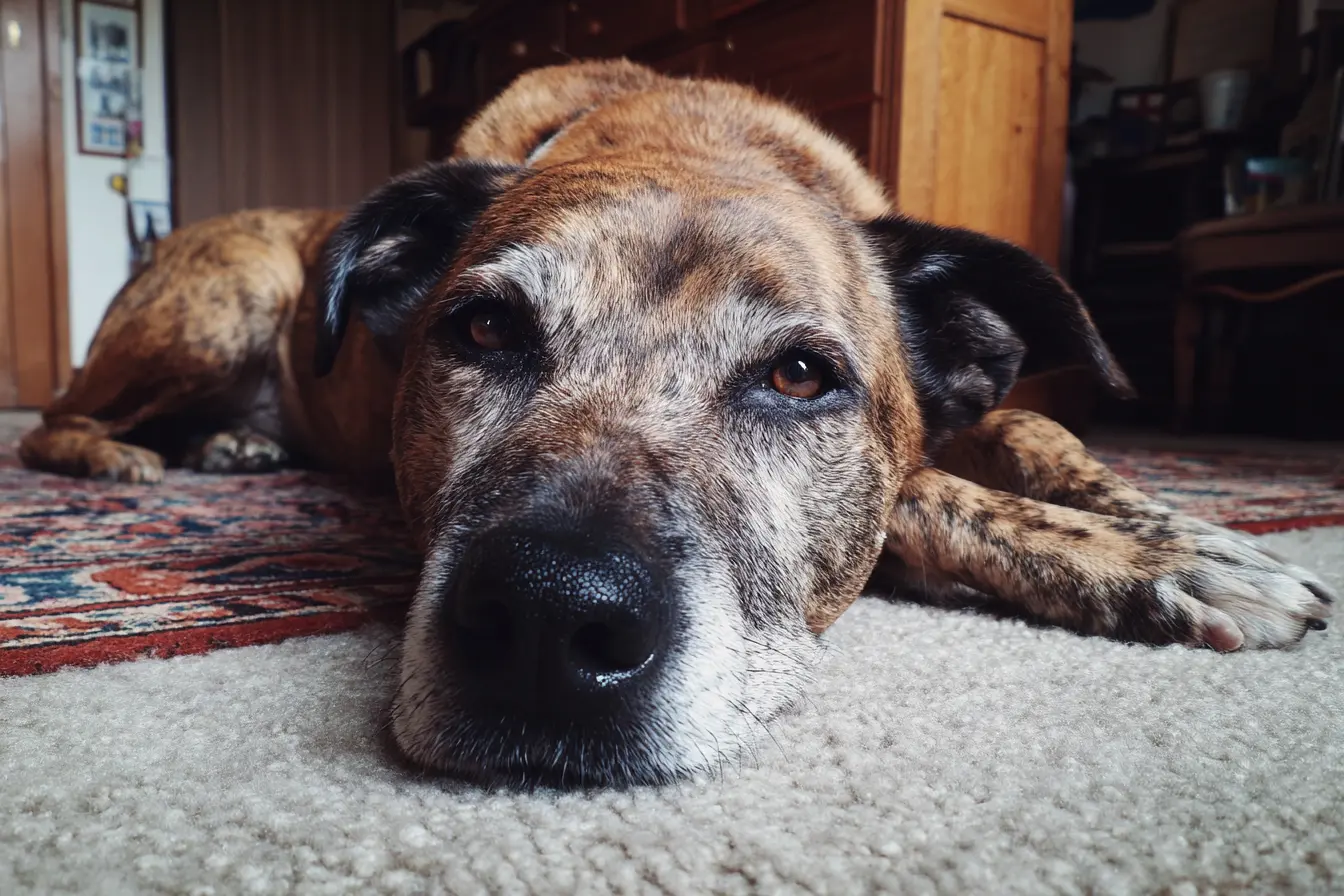
Anxiety in dogs is far more than occasional nervousness. While it is perfectly normal for a dog to startle at a loud noise or feel uncertain in a new environment, persistent or disproportionate fear can significantly affect behaviour, physical health and overall quality of life. When anxiety becomes part of a dog’s daily experience, it influences how they sleep, eat, learn and interact with the world around them.
Understanding the causes, recognising the signs and responding appropriately can make a meaningful difference. With early and consistent support, many anxious dogs improve substantially.
What Is Anxiety in Dogs?
Anxiety is a prolonged state of apprehension triggered by a perceived threat. That threat may be specific, such as fireworks or being left alone, or more general, resulting in an ongoing sense of unease.
From a physiological perspective, anxiety activates the stress response system. Stress hormones such as adrenaline and cortisol are released, heart rate increases, and the body prepares for action. While this response is protective in genuine danger, repeated or chronic activation can disrupt sleep, digestion, immune function and emotional regulation.
An anxious dog is not being disobedient or dramatic. They are experiencing emotional distress, and their behaviour reflects that internal state.
Common Causes of Anxiety
Anxiety typically develops through a combination of temperament, experience and environment rather than a single cause.
Common contributing factors include:
Separation from a primary attachment figure
Noise sensitivity (e.g. fireworks, thunderstorms, traffic)
Insufficient early socialisation
Traumatic or frightening experiences
Genetic predisposition towards sensitivity
Underlying medical issues such as pain or hormonal imbalance
Separation-related anxiety is particularly common, especially in dogs that have formed strong attachment bonds. Noise sensitivities may worsen over time if early fearful reactions are not carefully managed.
Medical causes should never be overlooked. Pain, cognitive changes in older dogs and endocrine disorders can all increase anxiety levels or mimic behavioural problems.
Signs of Anxiety in Dogs
Anxiety can present in subtle or dramatic ways, and early recognition is key. Behavioural and physical signs often occur together.
You may notice:
Excessive barking, whining or howling
Trembling or shaking
Pacing or restlessness
Panting when not physically warm
Clinginess or inability to settle alone
Withdrawal or hiding
Destructive behaviour, particularly around exits
House-soiling in previously trained dogs
Repetitive behaviours such as licking or circling
More subtle stress signals can include lip licking, yawning when not tired, lowered posture, pinned-back ears and dilated pupils. In severe cases, dogs may attempt to escape confinement, risking injury.
Recognising these early cues allows intervention before anxiety escalates.
Types of Anxiety in Dogs
Although anxiety can overlap in presentation, it often falls into recognisable patterns.
Separation anxiety involves distress behaviours occurring when the owner leaves. These behaviours usually begin within minutes of departure and may include vocalisation, destruction or elimination indoors.
Noise phobia is characterised by intense, disproportionate fear responses to sound. Dogs may hide in unsafe spaces, refuse to go outside or remain panicked long after the noise has ended.
Social anxiety involves fear of unfamiliar people or other dogs and may present as avoidance, freezing, cowering or defensive aggression.
Generalised anxiety refers to a broader pattern of persistent tension or hypervigilance without a single clear trigger.
Understanding the specific pattern helps guide appropriate management.
Diagnosis and Assessment
There is no single test for canine anxiety. Diagnosis relies on:
A detailed behavioural history
Identification of triggers and timing
Veterinary examination to rule out medical causes
Observation of body language and environmental context
For separation-related concerns, video recordings taken during the owner’s absence can be particularly informative.
Because anxiety can overlap with other behavioural or medical conditions, professional guidance from a vet or qualified behaviourist is highly valuable.
Treatment and Management
Effective treatment focuses on reducing the underlying fear rather than simply stopping visible behaviours. Punishment, shouting or aversive tools often intensify anxiety and damage trust.
Most treatment plans combine several approaches.
Behaviour modification
Desensitisation and counterconditioning are widely used evidence-based methods. These involve:
Introducing the trigger at a very low intensity
Pairing exposure with something positive (e.g. high-value food)
Gradually increasing intensity as the dog remains relaxed
Progress must be slow and structured to avoid setbacks.
Environmental support
Creating a predictable and secure environment can lower baseline stress. Helpful adjustments may include:
Providing a quiet retreat area
Maintaining consistent daily routines
Using blackout curtains during fireworks
Avoiding overwhelming social situations
Predictability and control help anxious dogs feel safer.
Enrichment and lifestyle adjustments
Mental stimulation and appropriate physical exercise support emotional balance. Beneficial activities include:
Scent-based games
Food puzzles
Gentle training sessions
Structured walks with opportunities to sniff
Exercise alone is not a cure, but it complements behavioural work.
Calming aids and medication
Some dogs benefit from pheromone diffusers, pressure garments or veterinarian-recommended supplements. In moderate to severe cases, prescription medication may be necessary to lower overall anxiety levels and facilitate learning.
Medication does not eliminate personality; it reduces distress so behavioural progress can occur.
Supporting an Anxious Dog at Home
Living with an anxious dog requires patience and consistency. Remaining calm, rewarding relaxed behaviour and avoiding forced exposure to feared situations are essential principles.
It is important not to label the dog as stubborn or attention-seeking. Anxiety is rooted in emotional and neurological processes, not defiance. Owners may also need support, as managing chronic anxiety can be emotionally draining.
Working collaboratively with professionals can provide structure and reassurance.
When to Seek Further Help
Professional advice should be sought if:
Anxiety is escalating or becoming more frequent
The dog injures themselves attempting to escape
Fear-related aggression develops
Sudden behavioural changes occur
House-soiling begins unexpectedly
Early intervention typically leads to better outcomes and prevents anxiety from becoming entrenched.
Conclusion
Anxiety in dogs is a complex but highly manageable condition when approached with understanding and evidence-based strategies. It reflects emotional vulnerability rather than poor training or stubbornness. By recognising the signs early, addressing underlying causes and committing to consistent, compassionate management, owners can significantly improve their dog’s sense of safety and wellbeing.
Confidence is not built through force or correction. It develops through predictability, trust and gradual positive experiences. With the right support, many anxious dogs learn that the world is not something to fear, but something they can navigate with increasing calm and resilience.
Quick questions
- What should I know about anxiety?
- Anxiety in dogs involves ongoing fear that affects their behaviour and health. This condition can be caused by factors like separation, noise sensitivity, and medical issues. Signs include excessive barking and trembling. Vet Verified can help you compare UK veterinary practices by location, species, services and opening hours before you call.
- When should I contact a vet about anxiety?
- Contact a veterinary practice if your pet seems unwell, symptoms are getting worse, you are unsure what to do, or the situation may be urgent. Vet Verified helps you compare practice details, but a vet should advise on your pet's current care.
- Can Vet Verified help me find dog vets?
- Yes. Use Vet Verified to compare dog vets across the UK, then check practice profiles and call directly to confirm current availability.
Find a vet
Find a veterinary practice
Compare UK veterinary practices related to this topic. Call the practice to confirm its current services and availability.