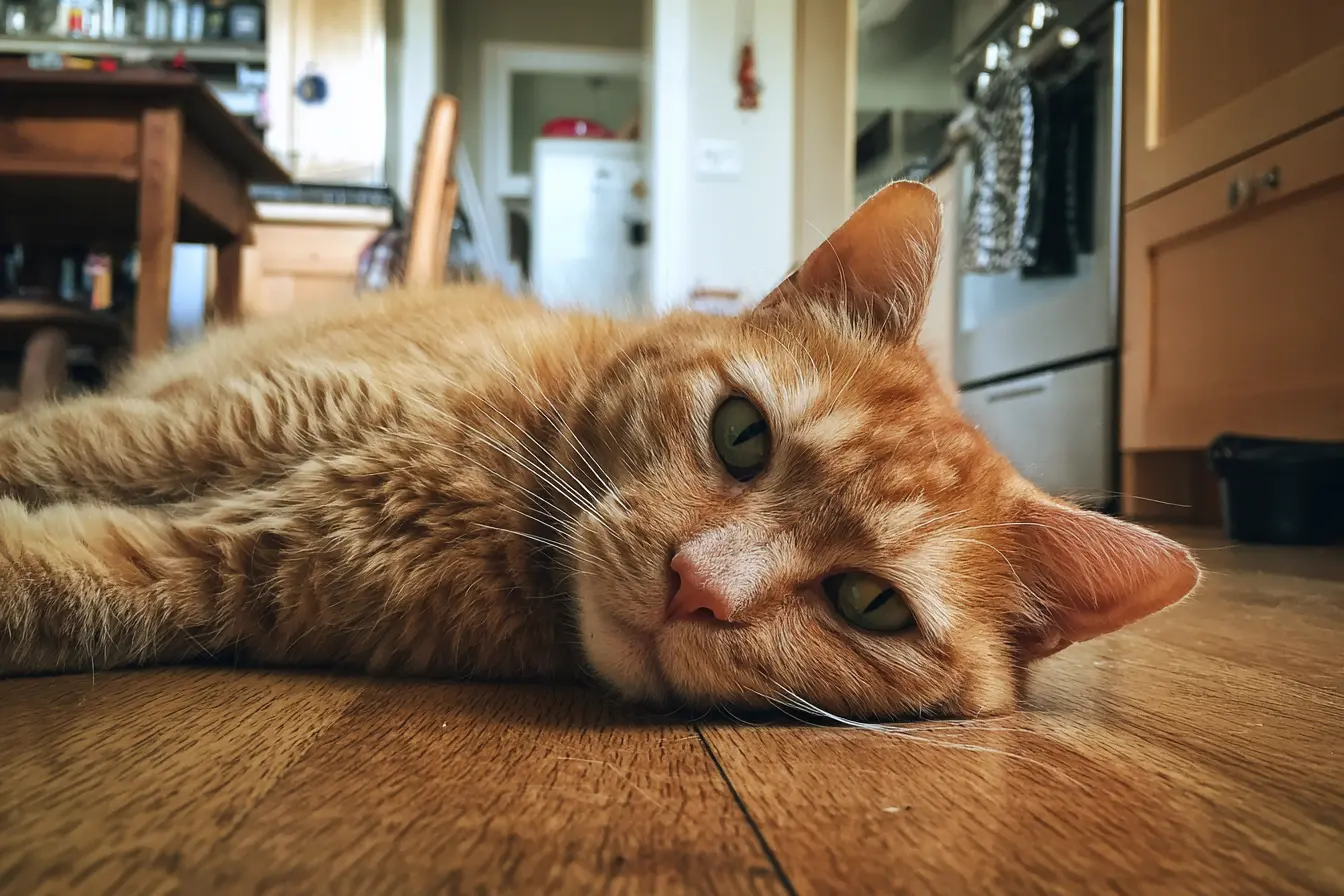
Cats are known for their independence and resilience, but they are also highly skilled at hiding illness. This instinct comes from their wild ancestry, where showing weakness could make them vulnerable. As a result, symptoms are often subtle and easy to miss.
Understanding the early warning signs can help you act quickly and get your cat the care they need.
Changes in Your Cat’s Appetite
A shift in eating habits is often one of the first signs that something is wrong.
You may notice:
Eating less or refusing food
A sudden increase in appetite
Difficulty chewing or swallowing
Noticeable weight loss or gain
A cat that does not eat for more than 24 hours should be checked by a vet.
Lethargy and Low Energy
While cats sleep a lot, they should still have periods of alertness and activity.
Warning signs include:
Unusual tiredness
Lack of interest in play
Sleeping more than normal
Hiding away more often
A clear drop in energy levels can indicate illness or discomfort.
Changes in Your Cat’s Litter Tray Habits
Toileting behaviour can reveal a lot about your cat’s health.
Look out for:
Urinating more or less frequently
Straining in the litter tray
Blood in urine or faeces
Diarrhoea or constipation
Avoiding the litter tray
Urinary problems can become serious quickly and require prompt attention.
Vomiting and Digestive Issues
Occasional vomiting may happen, but frequent or severe episodes are not normal.
Signs to monitor:
Repeated vomiting
Vomit containing blood
Ongoing diarrhoea
Signs of abdominal pain
Persistent digestive issues should always be assessed by a vet.
Changes in Your Cat’s Grooming and Coat Condition
Cats usually keep themselves very clean, so changes in grooming habits can be a red flag.
You may notice:
A dull or greasy coat
Matted fur
Excessive shedding
Overgrooming or bald patches
Both reduced grooming and excessive grooming can indicate health or stress-related problems.
Breathing Difficulties
Breathing should be quiet and effortless.
Seek immediate help if you notice:
Open-mouth breathing
Wheezing or coughing
Unusual breathing sounds
Breathing issues can be serious and should never be ignored.
Behavioural Changes
Subtle changes in behaviour are often early indicators of illness.
Watch for:
Increased aggression or irritability
Withdrawal from people or other pets
Increased vocalisation
Changes in routine or habits
Any sudden or unexplained behavioural shift is worth investigating.
Eye and Nose Discharge
Healthy eyes and noses should be clear.
Signs of concern include:
Watery or sticky discharge
Redness or swelling
Squinting or sensitivity to light
Sneezing or nasal congestion
These symptoms may indicate infections or respiratory issues.
Pain and Mobility Issues
Cats in pain often try to hide it, but there are signs to watch for.
These include:
Limping or stiffness
Sensitivity when touched
Changes in posture
Pain can significantly affect your cat’s quality of life and should be addressed promptly.
When to See a Vet
If you notice any of the signs above, especially if they persist or worsen, it is important to seek veterinary advice.
Urgent symptoms include:
Difficulty breathing
Inability to urinate
Severe lethargy
Continuous vomiting
Sudden collapse
Trust your instincts. If something feels off, it is always better to have your cat checked.
Conclusion
Cats may hide illness well, but they still give subtle clues when something is wrong. By paying close attention to changes in appetite, behaviour, grooming and routine, you can spot potential health issues early.
Prompt action not only improves the chances of recovery but also helps ensure your cat remains happy, healthy and comfortable.
Quick questions
- What should I know about cat sickness?
- Cats are good at hiding illness, often showing subtle signs that can be hard to notice. Key indicators include changes in appetite, energy, litter habits, and grooming. Vet Verified can help you compare UK veterinary practices by location, species, services and opening hours before you call.
- When should I contact a vet about cat sickness?
- Contact a veterinary practice if your pet seems unwell, symptoms are getting worse, you are unsure what to do, or the situation may be urgent. Vet Verified helps you compare practice details, but a vet should advise on your pet's current care.
- Can Vet Verified help me find cat vets?
- Yes. Use Vet Verified to compare cat vets across the UK, then check practice profiles and call directly to confirm current availability.
Find a vet
Find a veterinary practice
Compare UK veterinary practices related to this topic. Call the practice to confirm its current services and availability.
Urgent and out-of-hours
- 24-hour vets Find veterinary practices near you that list one or more days as open 24 hours. Compare opening hours, services and contact details, then call before travelling.
- Emergency vets Find veterinary practices near you that list emergency opening hours. Compare contact details and services, then call immediately if your pet needs urgent care.