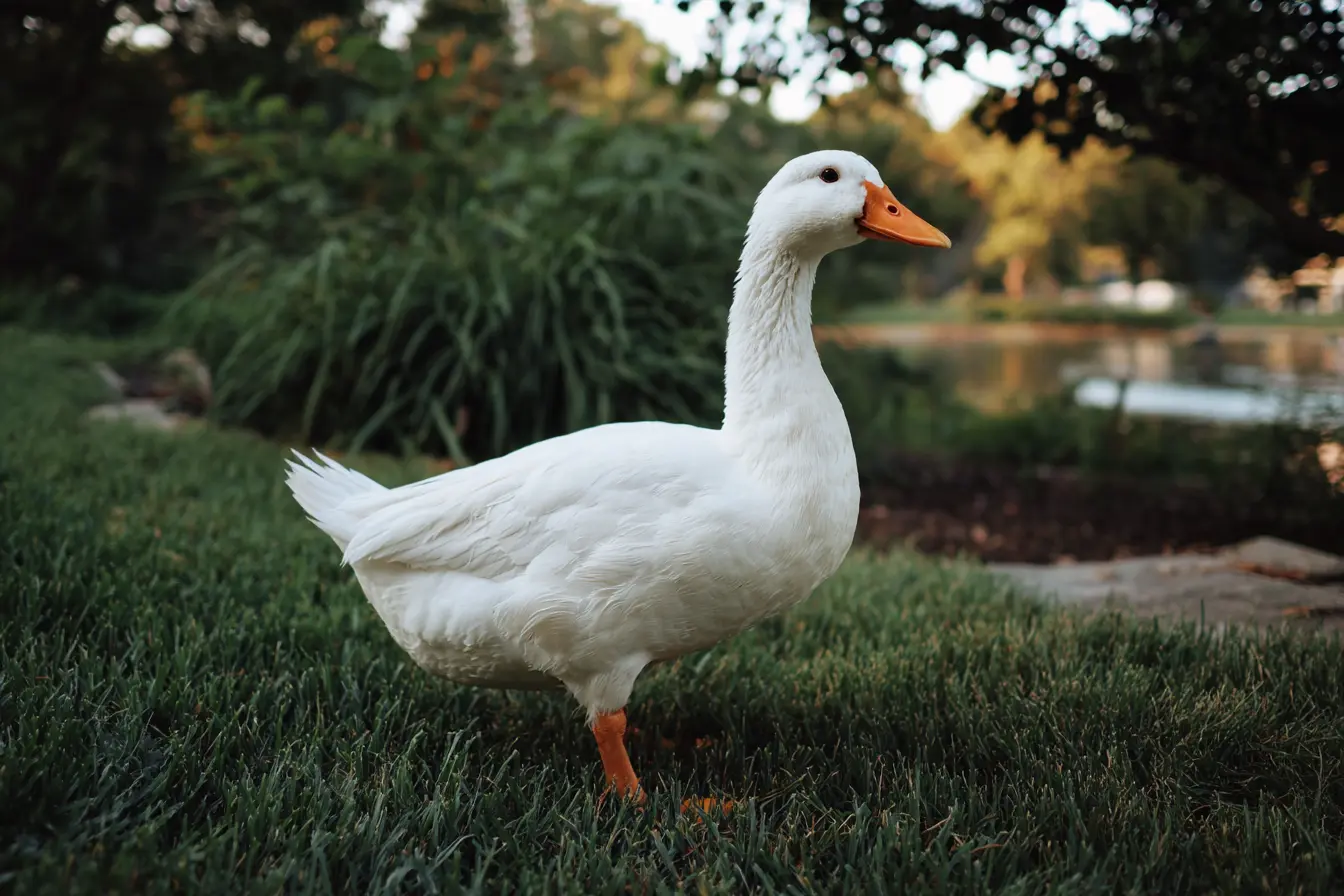
If you are thinking about keeping geese, or already have them as part of your flock, you may be wondering how long geese live. Geese are among the longest-lived domestic poultry birds and, when properly cared for, can be long-term companions rather than short-term livestock.
This guide explains everything goose owners need to know about lifespan, what affects how long geese live, and how to help them live long, healthy lives.
Average Lifespan of a Goose
On average, domestic geese live 15 to 25 years when well cared for.
Some geese live even longer under excellent conditions.
Pet and smallholding geese: commonly 15–25 years
Heritage and lighter breeds: often 20–30 years
Commercial meat geese: usually under 1 year
Wild geese: typically 10–20 years, often less due to predators
Geese are significantly longer-lived than chickens and ducks.
What Affects How Long Geese Live?
Several factors influence a goose’s lifespan.
Breed and Genetics
Breed plays a major role in longevity.
Long-Lived Goose Breeds
Lighter, traditional breeds tend to live the longest:
Embden
Toulouse (especially utility types)
Pilgrim
American Buff
Chinese
African
Many heritage breeds are extremely hardy when well managed.
Heavier Breeds
Large exhibition or fast-growing meat strains may have:
Shorter lifespans
More joint stress
Higher risk of heart and mobility issues
Slower growth and controlled diets help improve longevity.
Purpose: Pet vs Production
Geese kept as pets generally live far longer than those raised for meat.
Meat geese are slaughtered young and rarely reach maturity
Breeding geese can remain productive for many years
Pet geese often live into old age
Unlike chickens and ducks, geese are not pushed to extreme egg production.
Diet and Nutrition
A natural, balanced diet is crucial to long life.
Geese require:
Access to grass (their primary food source)
Supplementary goose or waterfowl pellets
Clean drinking water
Limited grain and treats
Overfeeding concentrates can lead to:
Obesity
Fatty liver disease
Reduced lifespan
Geese thrive on forage-based diets.
Housing and Environment
Geese are hardy but still need appropriate housing.
Key Housing Needs
Dry, draught-free shelter
Protection from extreme weather
Clean bedding
Safe night housing
Unlike ducks, geese do not require constant access to water for swimming, but they do need water for drinking and bathing.
Water Access
Water is important for:
Feather condition
Eye and nostril cleaning
Natural behaviour
Ponds, troughs or baths should be:
Easy to enter and exit
Cleaned regularly
Safe from predators
Predators and Safety
Predation is a major cause of early death, particularly for young geese.
Common UK predators include:
Foxes
Dogs
Mink
Large birds of prey (for goslings)
Adult geese can defend themselves but are not predator-proof.
Health Care and Disease
Geese are generally robust but still need monitoring.
Common health issues include:
Worm infestations
Angel wing (in young birds)
Joint problems in heavy breeds
Regular checks and early intervention greatly improve lifespan.
How Long Do Geese Lay Eggs?
Geese have a long reproductive life.
Most geese lay for 10–20 years
Egg numbers are low compared to chickens
Laying is seasonal (usually spring)
Egg production naturally declines with age but does not harm overall health.
How Long Do Male Geese (Ganders) Live?
Ganders often live as long as or longer than females, commonly 20–30 years.
Reasons include:
No egg-laying strain
Stronger body condition
Lower calcium demands
However, aggression during breeding season can increase injury risk.
How Long Do Geese Live in the Wild?
Wild geese usually live 10–20 years, though many die earlier due to:
Predation
Harsh weather
Food shortages
Human activity
Domestic geese live longer due to consistent care.
Signs a Goose Is Ageing
As geese age, you may notice:
Slower movement
Stiff joints
Reduced fertility
Weight changes
Duller plumage
Older geese can remain active and content for many years.
How to Help Geese Live Longer
Good care can significantly extend a goose’s life.
Provide a Natural Diet
Maximise grazing time
Limit grain feeding
Avoid overfeeding treats
Maintain Safe Housing
Secure fencing
Dry sleeping areas
Easy access for older birds
Reduce Stress
Stable pair or flock groups
Gentle, consistent handling
Monitor Health Regularly
Check feet and joints
Watch weight closely
Treat parasites promptly
Adjust Care for Older Geese
Softer ground where possible
Easy access to water
Extra shelter in winter
When Geese Die Young
Sadly, some geese do not reach old age.
Common causes include:
Predator attacks
Obesity-related illness
Poor nutrition
Untreated injury or infection
Most early losses are preventable with good management.
Emotional Considerations for Owners
Geese are intelligent, social birds that often form strong bonds with people and other animals. Losing a goose after many years can be emotionally difficult.
It’s important to remember:
Geese can live very long, fulfilling lives
Good care dramatically increases lifespan
Older geese deserve comfort, respect and stability
Conclusion
Geese are among the longest-lived domestic poultry birds, with lifespans commonly ranging from 15 to 25 years, and sometimes much longer. Breed choice, diet, housing, safety and health care all play a crucial role in how long a goose lives.
For owners, keeping geese is a long-term commitment. With thoughtful management and attentive care, geese can be loyal, healthy companions for decades.
Quick questions
- What should I know about geese lifespan?
- Geese are long-lived domestic poultry, often living 15 to 25 years with good care. Factors influencing their lifespan include breed, diet, housing, and safety. Vet Verified can help you compare UK veterinary practices by location, species, services and opening hours before you call.
- When should I contact a vet about geese lifespan?
- Contact a veterinary practice if your pet seems unwell, symptoms are getting worse, you are unsure what to do, or the situation may be urgent. Vet Verified helps you compare practice details, but a vet should advise on your pet's current care.
- Can Vet Verified help me find dog vets?
- Yes. Use Vet Verified to compare dog vets across the UK, then check practice profiles and call directly to confirm current availability.
Find a vet
Find a veterinary practice
Compare UK veterinary practices related to this topic. Call the practice to confirm its current services and availability.
Search by species
- Dog vets Find UK veterinary practices that list care for dogs. Compare opening hours, services, facilities and verified profiles, then contact a practice directly.
- Bird vets Find UK veterinary practices that list care for birds. Compare opening hours, services, facilities and verified profiles, then contact a practice directly.