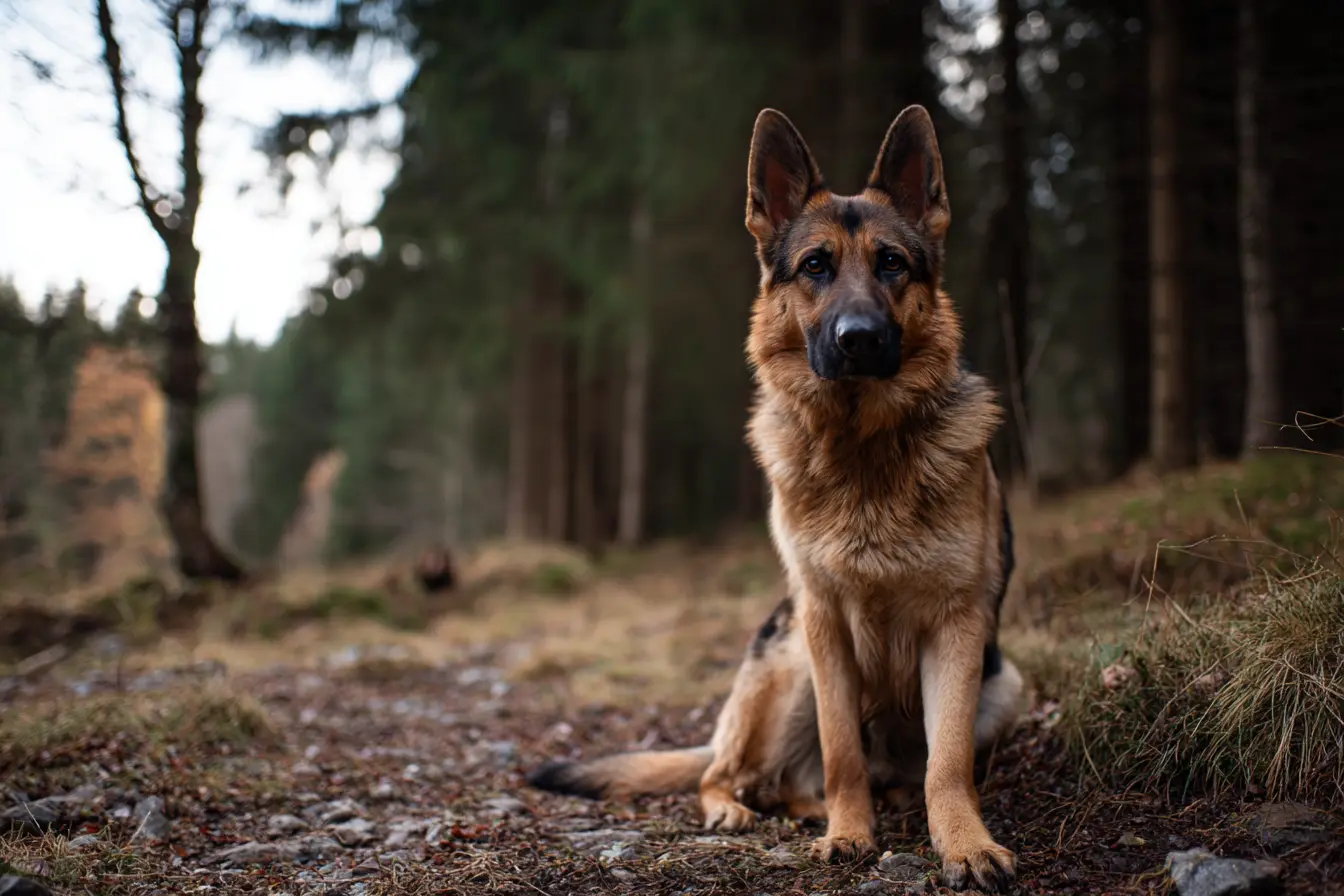
Osteoarthritis is one of the most common chronic conditions affecting dogs, particularly as they age. Also known as degenerative joint disease, osteoarthritis occurs when the protective cartilage within a joint gradually breaks down. This leads to inflammation, pain, stiffness, and reduced mobility.
Although osteoarthritis cannot be completely cured, early diagnosis and appropriate management can greatly improve a dog’s comfort and quality of life. Many dogs with osteoarthritis continue to enjoy active and happy lives when their condition is properly managed. This guide explains what osteoarthritis is, what causes it, how to recognise the symptoms, and the available treatment and prevention options.
What Is Osteoarthritis?
Joints are the places where bones meet, allowing movement and flexibility. In healthy joints, the ends of bones are covered by smooth cartilage that acts as a cushion and allows bones to glide against each other without friction.
Osteoarthritis develops when this cartilage begins to deteriorate. As the cartilage wears away, bones start to rub directly against each other. This friction causes inflammation, pain, and gradual damage to the joint structures.
Over time, the body may try to stabilise the joint by forming new bone around the joint margins, known as bone spurs. While this is a protective response, it often reduces joint mobility and increases stiffness.
Osteoarthritis can affect any joint in the body but most commonly occurs in the hips, knees, elbows, shoulders, and spine.
Types of Osteoarthritis in Dogs
Osteoarthritis can develop in different ways depending on the underlying cause.
Primary Osteoarthritis
Primary osteoarthritis occurs as a result of natural wear and tear within the joints over time. It is most commonly seen in older dogs as cartilage gradually deteriorates with age.
Although ageing itself does not directly cause arthritis, years of joint use can lead to degeneration in some dogs.
Secondary Osteoarthritis
Secondary osteoarthritis develops as a result of another joint problem or injury that damages the cartilage.
Common causes include:
Hip dysplasia
Elbow dysplasia
Ligament injuries such as cranial cruciate ligament rupture
Joint fractures
Abnormal joint development
In these cases, the joint damage accelerates the breakdown of cartilage and leads to arthritis.
Causes and Risk Factors
Several factors can contribute to the development of osteoarthritis in dogs.
Age
Older dogs are more likely to develop osteoarthritis because cartilage becomes less resilient over time.
Joint Abnormalities
Developmental conditions such as hip dysplasia or elbow dysplasia can cause abnormal joint movement, which accelerates cartilage wear.
Injury
Previous joint injuries can damage cartilage and lead to long-term joint degeneration.
Obesity
Excess body weight places additional strain on joints, especially weight-bearing joints such as the hips and knees. This increased stress can worsen cartilage breakdown.
Breed Predisposition
Certain breeds are more prone to joint problems that can lead to osteoarthritis. Larger breeds tend to be at higher risk.
Breeds commonly affected include:
Labrador Retriever
German Shepherd
Golden Retriever
Rottweiler
Newfoundland
Bernese Mountain Dog
Repetitive Stress
Dogs involved in high-impact activities or intense athletic work may place repeated stress on their joints, increasing the risk of degeneration over time.
Symptoms and Signs
The symptoms of osteoarthritis often develop gradually and may initially be mistaken for normal ageing.
Common signs include:
Stiffness after rest or sleep
Difficulty rising from lying down
Limping or lameness
Reduced willingness to exercise or play
Slower walking or reluctance to climb stairs
Difficulty jumping onto furniture or into vehicles
Swelling around joints
Changes in posture or gait
Behavioural changes such as irritability or decreased interaction
Many dogs experience increased stiffness during cold or damp weather.
Because osteoarthritis develops slowly, symptoms may become more noticeable over months or years.
Diagnosis
Diagnosing osteoarthritis involves a combination of physical examination and imaging tests.
Physical Examination
The veterinarian will examine the dog’s joints to evaluate:
Range of motion
Joint swelling
Pain during movement
Muscle loss around affected joints
Orthopaedic Assessment
The vet may observe the dog walking or trotting to assess gait abnormalities and identify which joints are affected.
X-rays
Radiographs are commonly used to confirm osteoarthritis. X-rays can reveal changes such as:
Narrowed joint spaces
Bone spurs
Joint deformities
Thickening of bone around the joint
In some cases, advanced imaging such as CT or MRI may be used for more detailed evaluation.
Treatment Options
Although osteoarthritis cannot be reversed, treatment focuses on reducing pain, slowing joint damage, and improving mobility.
Weight Management
Maintaining a healthy body weight is one of the most important steps in managing osteoarthritis. Reducing excess weight significantly decreases stress on the joints.
Controlled Exercise
Regular, low-impact exercise helps maintain muscle strength and joint flexibility. Suitable activities may include:
Short walks
Swimming
Gentle play
High-impact activities such as jumping or intense running should be limited.
Pain Relief Medications
Veterinarians often prescribe medications to reduce inflammation and relieve pain.
Common treatments include:
Non-steroidal anti-inflammatory drugs
Pain-modifying medications
Joint-supporting injections in some cases
These medications should always be used under veterinary supervision.
Joint Supplements
Many dogs benefit from supplements that support joint health.
Common ingredients include:
Glucosamine
Chondroitin
Omega-three fatty acids
Green-lipped mussel extract
These supplements may help maintain cartilage health and reduce inflammation.
Physical Therapy
Rehabilitation therapies can improve mobility and strengthen muscles supporting the joints.
These therapies may include:
Hydrotherapy
Massage therapy
Therapeutic exercises
Laser therapy
Surgical Treatment
Surgery may be recommended in severe cases or when arthritis results from another joint problem.
Possible procedures include:
Joint stabilisation surgery
Corrective procedures for joint abnormalities
Joint replacement in advanced cases
Surgery is typically considered when conservative treatments are no longer effective.
Prognosis
Osteoarthritis is a progressive condition, meaning it gradually worsens over time. However, with proper management, many dogs experience significant improvement in comfort and mobility.
Early treatment often leads to better long-term outcomes.
Dogs with osteoarthritis can continue to live active and fulfilling lives when their pain is controlled and their activity is appropriately managed.
Prevention
Although osteoarthritis cannot always be prevented, several steps can reduce the risk.
Responsible Breeding
Breeding dogs that have been screened for inherited joint disorders can reduce the occurrence of conditions such as hip and elbow dysplasia.
Healthy Growth in Puppies
Providing balanced nutrition and avoiding excessive calorie intake during growth helps support proper joint development.
Maintain a Healthy Weight
Keeping dogs lean throughout their lives reduces stress on joints and lowers the risk of arthritis.
Appropriate Exercise
Regular exercise strengthens muscles and supports joint stability, but activities should be appropriate for the dog’s age and physical condition.
Early Veterinary Care
Prompt treatment of joint injuries or developmental abnormalities can help prevent long-term joint damage.
Living with a Dog with Osteoarthritis
Dogs with osteoarthritis can continue to enjoy a good quality of life with a few adjustments at home.
Helpful strategies include:
Providing soft, supportive bedding
Using ramps instead of stairs or jumps
Installing non-slip flooring surfaces
Maintaining consistent exercise routines
Scheduling regular veterinary check-ups
Small environmental changes can significantly improve comfort and mobility for dogs with arthritis.
Conclusion
Osteoarthritis in dogs is a common but manageable condition that affects the joints and causes pain, stiffness, and reduced mobility. The disease develops when cartilage within the joints gradually breaks down, leading to inflammation and joint degeneration.
Although osteoarthritis cannot be cured, early diagnosis and comprehensive management can greatly improve a dog’s comfort and mobility. Through weight control, appropriate exercise, medications, and supportive therapies, many dogs with arthritis can continue to lead active and happy lives.
By recognising the early signs and working closely with a veterinarian, owners can provide the care and support their dogs need to live comfortably despite this chronic condition.
Quick questions
- What should I know about osteoarthritis?
- Osteoarthritis is a common condition in dogs, especially as they age. It occurs when joint cartilage breaks down, causing pain and stiffness. While it can't be cured, early diagnosis and management improve a dog's quality of life. Vet Verified can help you compare UK veterinary practices by location, species, services and opening hours before you call.
- When should I contact a vet about osteoarthritis?
- Contact a veterinary practice if your pet seems unwell, symptoms are getting worse, you are unsure what to do, or the situation may be urgent. Vet Verified helps you compare practice details, but a vet should advise on your pet's current care.
- Can Vet Verified help me find dog vets?
- Yes. Use Vet Verified to compare dog vets across the UK, then check practice profiles and call directly to confirm current availability.
Find a vet
Find a veterinary practice
Compare UK veterinary practices related to this topic. Call the practice to confirm its current services and availability.