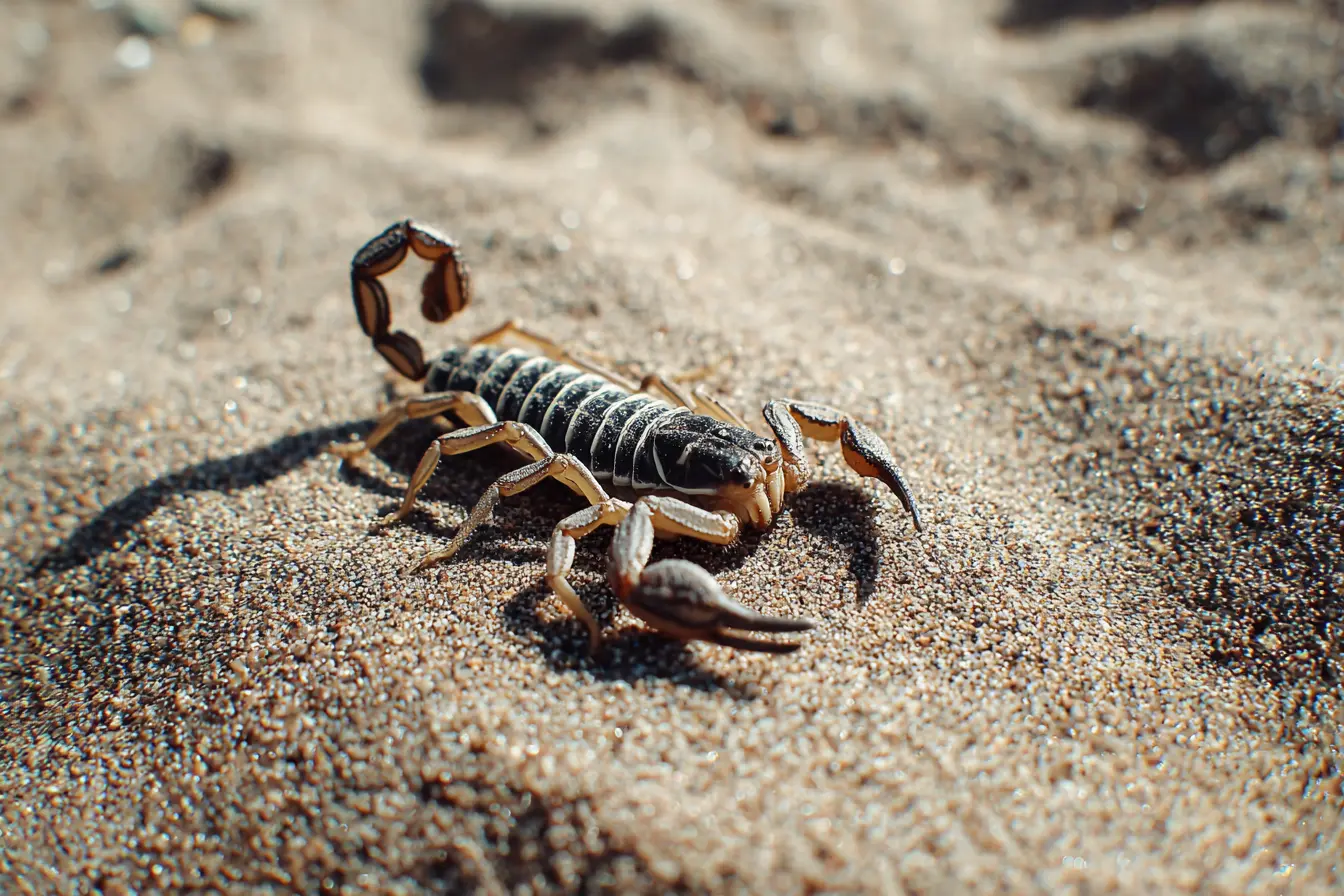
The Chilean Desert Scorpion (Bothriurus spp., most commonly Bothriurus bonariensis and related species) is a hardy and fascinating invertebrate native to the arid and semi-arid regions of Chile. Known for its resilience, nocturnal habits, and distinctive defensive posture, this species is an excellent choice for keepers interested in desert-dwelling arachnids. While not particularly dangerous, it still demands respect and careful husbandry.
For enthusiasts looking to explore scorpion keeping beyond the more commonly seen Emperor or Asian Forest scorpions, the Chilean Desert Scorpion offers an engaging and manageable introduction to arid species.
Why Choose a Chilean Desert Scorpion?
This species is well suited to beginners and intermediate keepers alike, provided its desert requirements are met. Though largely secretive, it rewards patient observation with natural and intriguing behaviours.
Hardy Nature: Adapted to harsh desert conditions, they tolerate minor fluctuations better than tropical species.
Low Humidity Requirements: Ideal for keepers who struggle with maintaining high humidity.
Interesting Burrowing Behaviour: Frequently excavates shallow burrows under rocks or hides.
Manageable Temperament: Generally defensive rather than aggressive, preferring to retreat when disturbed.
Housing Your Chilean Desert Scorpion
Enclosure
A simple, well-ventilated enclosure that mimics arid terrain is essential.
Size: A 20x20x20 cm enclosure is sufficient for a single adult. Larger enclosures are acceptable but not necessary.
Substrate: Use a dry, sandy substrate such as a sand–soil mix or excavator clay. Provide at least 5–8 cm to allow burrowing.
Ventilation: High ventilation is crucial to prevent moisture build-up and mould.
Decor and Hiding Spots
Flat Rocks or Slate: Essential for providing secure hides and encouraging natural behaviour.
Cork Bark: Can be used sparingly but must remain dry.
Minimal Decoration: Overcrowding the enclosure can limit burrowing and movement.
Temperature and Humidity
Chilean Desert Scorpions thrive in warm, dry conditions.
Temperature: Maintain between 22–28°C, with a slight drop at night. A heat mat on the side of the enclosure can be used if required.
Humidity: Keep humidity low, ideally below 40%. Avoid misting; instead, maintain dryness throughout the enclosure.
Always monitor conditions using a thermometer. Hygrometers are optional but useful for beginners.
Feeding Your Chilean Desert Scorpion
Diet
These scorpions are opportunistic ambush predators and accept a range of appropriately sized live prey:
Crickets
Small Roaches
Locust Hoppers
Mealworms or Waxworms (occasional treats)
Feed adults once a week and juveniles every 5–7 days. Remove uneaten prey after 24 hours to avoid stress or injury.
Water
Despite their desert origins, fresh water is still essential.
Provide a shallow water dish with stones or gravel to prevent drowning.
Alternatively, lightly moisten one small corner of the enclosure once every couple of weeks, never the entire setup.
Handling Your Scorpion
Handling is not recommended and should be avoided wherever possible:
Defensive Species: They may raise their tail and pinch with pincers when threatened.
Venom: Their sting is generally mild, comparable to a bee or wasp sting, but reactions vary between individuals.
Stress Risk: Handling can cause unnecessary stress and increase the chance of stinging.
For enclosure maintenance, use long forceps or gently guide the scorpion into a catch cup.
Health and Common Issues
Chilean Desert Scorpions are robust, but improper conditions can lead to problems:
Excess Humidity: Can cause lethargy, stress, or fungal issues.
Dehydration: Rare but possible if no water source is provided.
Failed Moults: Often caused by stress or poor nutrition.
Moulting
Before moulting, scorpions may:
Stop feeding.
Become more reclusive.
Appear dull or sluggish.
Do not disturb a scorpion during a moult. Ensure water is available and avoid feeding until several days after the moult is complete.
Legal and Ethical Considerations
Chilean Desert Scorpions are legal to keep in the UK.
Captive-Bred Preferred: Always purchase from reputable breeders or specialist invert sellers.
Solo Housing: These scorpions are solitary and should never be housed together.
Cost of Ownership
Keeping a Chilean Desert Scorpion is relatively inexpensive:
Scorpion: £15–£40 depending on species and size.
Enclosure Setup: £30–£60.
Food: £5–£10 per month.
Ongoing Costs: Minimal, with little need for heating or humidity control.
Conclusion
The Chilean Desert Scorpion is an excellent choice for anyone interested in arid invertebrates. Hardy, low-maintenance, and fascinating to observe, it provides a glimpse into the survival strategies of desert arachnids without the complexities of tropical care.
While not a hands-on pet, this species thrives when left undisturbed in a well-designed enclosure. With proper care and respect, the Chilean Desert Scorpion can live for several years and become a captivating addition to any invertebrate collection.
Quick questions
- What should I know about chilean desert scorpion?
- The Chilean Desert Scorpion is a hardy invertebrate suitable for beginners and intermediate keepers interested in desert arachnids. Vet Verified can help you compare UK veterinary practices by location, species, services and opening hours before you call.
- When should I contact a vet about chilean desert scorpion?
- Contact a veterinary practice if your pet seems unwell, symptoms are getting worse, you are unsure what to do, or the situation may be urgent. Vet Verified helps you compare practice details, but a vet should advise on your pet's current care.
- Can Vet Verified help me find exotic vets?
- Yes. Use Vet Verified to compare exotic vets across the UK, then check practice profiles and call directly to confirm current availability.
Find a vet
Find a veterinary practice
Compare UK veterinary practices related to this topic. Call the practice to confirm its current services and availability.