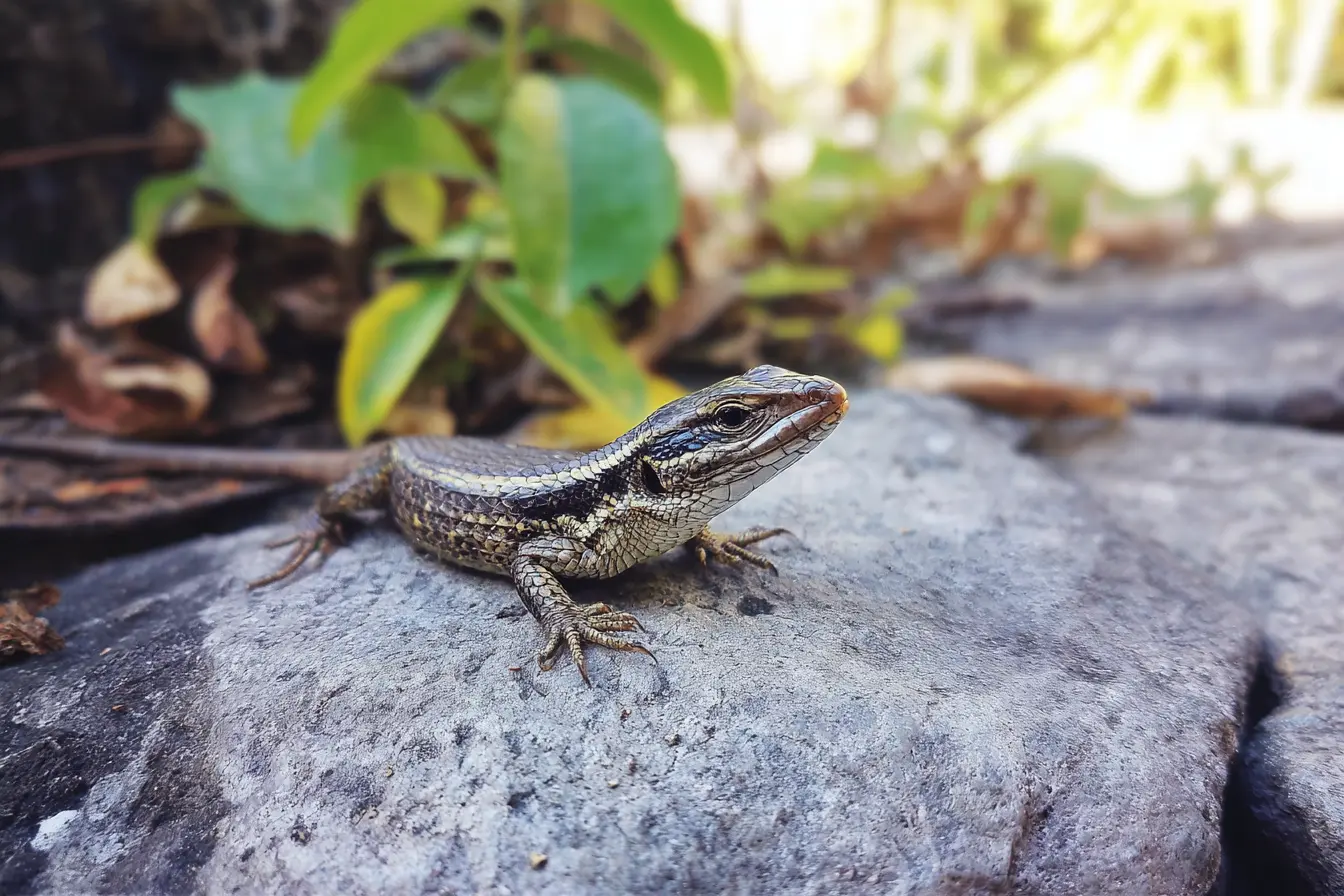
The black-lined plated lizard (Gerrhosaurus major) is a robust, medium-sized reptile known for its distinctive armour-like scales, alert nature, and hardy disposition. Native to the savannahs and scrublands of sub-Saharan Africa, this lizard combines prehistoric looks with surprising agility and intelligence.
For reptile enthusiasts seeking an active and resilient species that thrives in a semi-arid setup, the black-lined plated lizard is a wonderful choice. It’s attractive, curious, and relatively easy to care for, making it suitable for both intermediate and experienced keepers.
Origins and Natural Habitat
The black-lined plated lizard inhabits a wide range across central and southern Africa, including regions of Tanzania, Angola, Zambia, Namibia, and South Africa. It prefers open, rocky habitats such as savannahs, dry forests, and scrublands where it can bask in full sun and retreat into crevices when threatened.
These lizards are diurnal, spending much of their day basking and foraging for insects and vegetation. Their tough, overlapping scales and flattened bodies make them perfectly adapted for squeezing into tight rock cracks to escape predators and retain moisture in arid climates.
Appearance and Temperament
Physical Traits
Size: Adults reach 35–45 cm in total length, with females generally smaller than males
Colouration: Golden brown to olive, often with bold black longitudinal lines running down the back and sides
Scales: Smooth but thick, forming a plate-like armour that gives the genus its name
Tail: Strong and slightly flattened, used for balance and defence
Eyes: Large and expressive, adapted for excellent daylight vision
Behaviour and Temperament
Black-lined plated lizards are alert, intelligent, and curious. In captivity, they quickly learn their environment and may even recognise their keeper’s presence as feeding time. They are generally calm but can be shy when first introduced to a new enclosure.
With gentle care, they become confident and active display animals. They are not prone to biting, preferring to dart into hiding when startled, but they may use their strong tails defensively if cornered.
Housing Requirements
To keep these semi-arid lizards healthy, you’ll need to provide a warm, spacious enclosure that mimics their dry savannah habitat.
Enclosure Size
A single adult: 120 cm x 45 cm x 45 cm minimum
Pair or small group (one male with females): 150 cm x 60 cm x 60 cm or larger
Plated lizards are active and need space to run, dig, and explore. A horizontal layout is ideal, though they appreciate low climbing branches and rocks.
Heating and Temperature Gradient
Basking spot: 38–42°C
Ambient daytime temperature: 28–32°C
Cool end: 24–26°C
Night-time: Can drop to 20–22°C
Provide a basking area with a strong halogen or ceramic heat lamp. Use a thermostat and digital thermometers to maintain a stable gradient.
Lighting and UVB
As sun-loving reptiles, plated lizards require strong UVB lighting (10–12%). Full-spectrum light supports calcium metabolism, bone development, and natural activity levels.
A 12–14-hour photoperiod replicates their natural daylight cycle. Bright lighting also enhances their natural colours and encourages basking behaviour.
Humidity and Water
Maintain low to moderate humidity around 40–60%. Excessive moisture can lead to respiratory problems. Mist lightly once or twice a week to simulate dew and assist with shedding.
Provide a shallow water dish for drinking and occasional soaking, but keep most of the enclosure dry.
Substrate and Furnishings
Substrate: A deep layer (8–10 cm) of soil, sand, and clay mix allows digging and burrowing
Decor: Rocks, slate, cork bark, and sturdy branches for climbing and basking
Hides: Provide multiple hides, including a warm-side and cool-side shelter
Plated lizards enjoy rearranging substrate and creating burrows, so ensure decor is stable and won’t collapse if they dig beneath it.
Diet and Feeding
Black-lined plated lizards are omnivorous, with a diet that includes insects, vegetation, and occasionally fruit. A balanced diet helps maintain their vibrant colouration and energy.
Feeding Schedule
Feed adults 3–4 times per week; juveniles daily or every other day.
Food Items
Insects: Crickets, roaches, locusts, and mealworms
Vegetables: Collard greens, dandelion leaves, grated carrot, courgette, or squash
Fruit (occasional treat): Berries, melon, or mango
Protein variety: Boiled egg or lean cooked chicken pieces once every few weeks
All insects should be gut-loaded and dusted with calcium and vitamin supplements. Provide calcium with D3 two to three times weekly and a multivitamin once a week.
Feeding Tips
Offer food in a shallow dish to prevent substrate ingestion. These lizards quickly learn feeding times and often come running when they see their keeper approach.
Handling and Interaction
Black-lined plated lizards can become remarkably tame with time and patience. They rarely bite, but handling should be gentle and infrequent at first to avoid stress.
Always support the body fully
Avoid restraining the tail, as they can drop it when frightened
Allow the lizard to explore your hands or lap calmly
Handle after they have warmed up and fed, not immediately after feeding
With regular, positive interaction, they may become comfortable being handled and will often approach the glass to investigate.
Common Health Concerns
Shedding Issues
Low humidity can cause retained shed, particularly on the toes and tail. Provide a rough basking rock and light misting to aid shedding.
Metabolic Bone Disease (MBD)
Caused by lack of UVB or insufficient calcium. Ensure strong lighting and proper supplementation.
Respiratory Infections
Often a result of high humidity or poor ventilation. Maintain a dry, airy enclosure and stable warmth.
Obesity
Overfeeding protein or fatty insects can lead to weight gain. Balance the diet with plenty of plant matter and offer insects in moderation.
Lifespan and Breeding
With proper care, black-lined plated lizards can live 12–20 years in captivity.
Breeding typically occurs during the warm months. Males display head-bobbing and chasing behaviours to court females. Females lay 2–6 leathery eggs in a shallow burrow, which hatch after 60–75 days at around 30°C. Hatchlings are fully independent and feed on small insects immediately.
Observation and Enrichment
Plated lizards are active, inquisitive reptiles that thrive on mental and physical stimulation. Enrichment ideas include:
Rearranging rocks and branches periodically
Providing tunnels and caves to explore
Introducing live insects for hunting
Offering a mix of climbing and basking spots
Watching them bask, dig, and interact with their surroundings makes them a rewarding display species.
Conclusion
The black-lined plated lizard is a resilient and charismatic reptile that brings a touch of the African savannah into your home. With its sleek armour, quick reflexes, and engaging personality, it is both a visual showpiece and a delight to observe.
While they require space, heat, and strong lighting, their care is straightforward for dedicated keepers. For those looking for a hardy, intelligent lizard with plenty of character, the black-lined plated lizard is an outstanding choice.
Quick questions
- What should I know about black-lined plated lizard?
- The black-lined plated lizard (Gerrhosaurus major) is a medium-sized reptile native to the savannahs of sub-Saharan Africa. Vet Verified can help you compare UK veterinary practices by location, species, services and opening hours before you call.
- When should I contact a vet about black-lined plated lizard?
- Contact a veterinary practice if your pet seems unwell, symptoms are getting worse, you are unsure what to do, or the situation may be urgent. Vet Verified helps you compare practice details, but a vet should advise on your pet's current care.
- Can Vet Verified help me find exotic vets?
- Yes. Use Vet Verified to compare exotic vets across the UK, then check practice profiles and call directly to confirm current availability.
Find a vet
Find a veterinary practice
Compare UK veterinary practices related to this topic. Call the practice to confirm its current services and availability.
Search by species
- Exotic vets Find UK veterinary practices that list care for exotic pets. Compare opening hours, services, facilities and verified profiles, then contact a practice directly.
- Bird vets Find UK veterinary practices that list care for birds. Compare opening hours, services, facilities and verified profiles, then contact a practice directly.