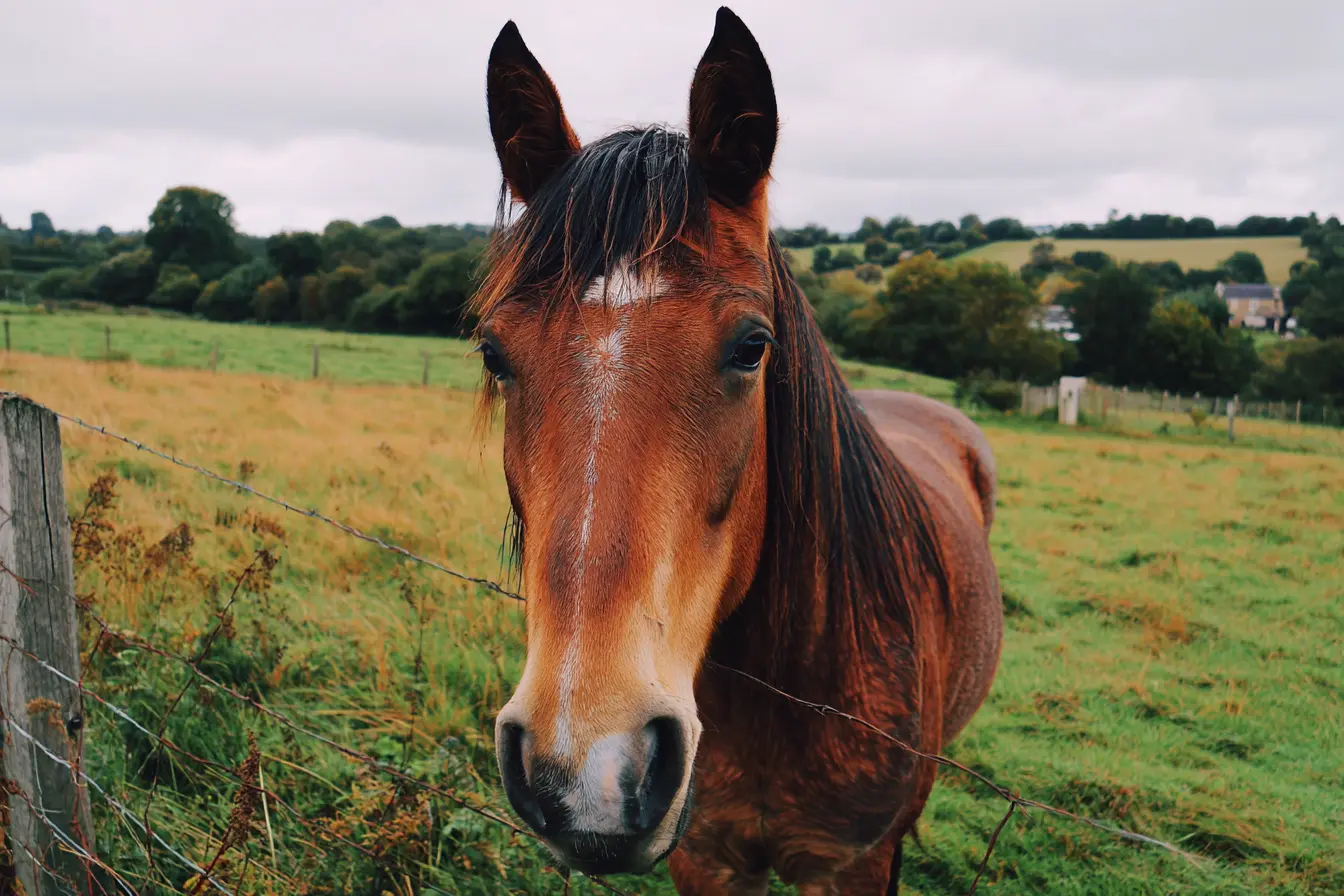
Unexplained weight loss in horses can be a concerning problem for owners. While changes in body condition sometimes occur due to seasonal factors or adjustments in diet and workload, persistent or significant weight loss without an obvious cause often indicates an underlying health or management issue.
Because horses rely on consistent nutrition, efficient digestion, and good overall health to maintain body condition, weight loss can result from a wide range of problems affecting the digestive system, teeth, metabolism, parasites, or other organ systems. Identifying the underlying cause is essential to restoring the horse’s health and preventing further decline.
Understanding the most common causes of unexplained weight loss can help horse owners recognise early warning signs and seek appropriate veterinary care when necessary.
What Counts as Unexplained Weight Loss
Weight loss in horses is generally considered unexplained when a horse loses noticeable body condition despite receiving adequate feed and normal care. Owners may observe a gradual loss of fat coverage over the ribs, hips, or topline, or a more rapid decline in body condition.
Signs that a horse may be losing weight include:
Visible ribs or hip bones
Loss of muscle along the back and hindquarters
A hollow or sunken appearance along the topline
Decreased energy levels
Changes in coat quality
Using a body condition scoring system can help owners track changes over time and identify weight loss early.
Inadequate Nutrition
One of the most common causes of weight loss is simply that the horse is not receiving enough calories to meet its needs. This may occur even when the horse appears to be eating regularly.
Several factors may contribute to inadequate nutrition:
Poor-quality forage
Insufficient feed quantity
Competition for food in group feeding situations
Increased energy demands due to work, growth, pregnancy, or cold weather
If a horse is burning more calories than it consumes, weight loss will occur over time.
Dental Problems
Dental disease is a frequent cause of weight loss, particularly in older horses. Horses rely on properly functioning teeth to grind forage effectively, and dental abnormalities can make chewing difficult or painful.
Common dental issues include:
Sharp enamel points
Loose or missing teeth
Wave mouth or uneven tooth wear
Infected teeth
Dental abscesses
Horses with dental problems may drop partially chewed feed (a behaviour known as quidding), eat slowly, or avoid certain types of feed.
Parasite Burden
Internal parasites can interfere with nutrient absorption and damage the digestive tract. Heavy parasite loads are a common cause of weight loss, especially in young horses or those without regular deworming programmes.
Common parasites that may contribute to weight loss include:
Strongyles
Roundworms
Tapeworms
Parasites may reduce the horse’s ability to absorb nutrients or cause inflammation within the intestines.
Gastric Ulcers
Equine gastric ulcer syndrome is a widespread condition, particularly in performance horses and those under stress.
Ulcers develop in the lining of the stomach and may cause discomfort during or after eating. As a result, affected horses may eat less or lose weight over time.
Signs associated with gastric ulcers may include:
Reduced appetite
Poor body condition
Behavioural changes
Poor performance
Mild colic symptoms
Ulcers are often linked to stress, irregular feeding schedules, and high-grain diets.
Digestive Disorders
Certain gastrointestinal conditions interfere with the horse’s ability to digest or absorb nutrients properly.
These disorders may include:
Inflammatory bowel disease
Chronic diarrhoea
Malabsorption syndromes
Sand accumulation in the intestines
In these cases, the horse may eat normally but still lose weight because nutrients are not absorbed efficiently.
Chronic Disease
Long-term health conditions affecting major organs can lead to gradual weight loss.
Examples include:
Liver disease
Kidney disease
Chronic infections
Cancer or tumours
These conditions may affect metabolism, appetite, or the body’s ability to process nutrients.
Weight loss associated with chronic disease is often accompanied by other symptoms such as lethargy, poor coat condition, or reduced performance.
Metabolic and Hormonal Disorders
Certain metabolic disorders may contribute to weight loss in horses.
For example:
Pituitary pars intermedia dysfunction (PPID or Cushing’s disease)
Chronic stress-related hormonal imbalances
These conditions can alter the horse’s metabolism, immune system, and muscle condition.
Social and Environmental Factors
Sometimes weight loss is related to the horse’s environment rather than a medical condition.
Possible contributing factors include:
Bullying or competition for food
Limited access to feed in group settings
Poor pasture quality
Sudden changes in routine or management
Horses lower in the social hierarchy may be unable to access adequate feed if more dominant horses prevent them from eating.
Age-Related Weight Loss
Older horses often experience weight loss due to a combination of factors such as dental wear, reduced digestive efficiency, and decreased muscle mass.
Senior horses may require specialised diets that are easier to chew and digest.
Feeds designed for older horses often include:
Soaked feeds
Pelleted or mash-based diets
Higher fat content for additional calories
Regular monitoring is especially important for ageing horses.
Symptoms That May Accompany Weight Loss
Weight loss rarely occurs alone. Other signs may help indicate the underlying cause.
Owners may notice:
Changes in appetite
Poor coat condition
Diarrhoea or abnormal manure
Behavioural changes
Reduced stamina or performance
Lethargy or weakness
These symptoms can provide important clues for veterinary diagnosis.
Diagnosis
If a horse experiences unexplained weight loss, a veterinarian will usually perform a thorough examination to identify the cause.
A typical diagnostic approach may include:
Physical examination
Body condition scoring
Dental examination
Fecal parasite testing
Blood tests to evaluate organ function
Ultrasound or other imaging if needed
Additional tests may be recommended depending on the horse’s symptoms.
Treatment
Treatment for unexplained weight loss depends on addressing the underlying cause.
Examples of treatments may include:
Dental correction
Parasite control programmes
Dietary adjustments
Treatment for ulcers or digestive disorders
Management of chronic diseases
Nutritional support may also be required to help the horse regain lost weight safely.
Nutritional Support for Weight Gain
Horses recovering from weight loss often benefit from a carefully planned feeding programme.
Strategies may include:
Providing high-quality forage
Increasing feeding frequency
Adding calorie-dense feeds such as fats or specialised concentrates
Ensuring access to clean water and mineral supplementation
Weight gain should occur gradually to avoid digestive disturbances.
Prevention
Preventing unexplained weight loss involves maintaining good overall health and management.
Key preventive measures include:
Regular dental examinations
Routine parasite control
Balanced nutrition
Monitoring body condition regularly
Prompt veterinary care when health concerns arise
Careful observation allows owners to detect subtle changes before they become serious problems.
When to Contact a Veterinarian
Veterinary evaluation is recommended if:
Weight loss occurs despite adequate feeding
The horse loses condition rapidly
Additional symptoms such as diarrhoea or lethargy appear
The horse refuses feed
Body condition continues to decline
Early diagnosis improves the chances of identifying and treating the underlying cause.
Conclusion
Unexplained weight loss in horses can result from a wide variety of factors, including dental disease, parasites, digestive disorders, chronic illness, and management issues. Because maintaining body condition is essential for overall health and performance, persistent weight loss should never be ignored.
By recognising early signs of weight loss and seeking veterinary advice when necessary, horse owners can help ensure that underlying problems are identified and treated promptly, allowing horses to regain condition and maintain long-term wellbeing.
Quick questions
- What should I know about weight loss?
- Unexplained weight loss in horses is a common problem and often points to an underlying health or management issue. Vet Verified can help you compare UK veterinary practices by location, species, services and opening hours before you call.
- When should I contact a vet about weight loss?
- Contact a veterinary practice if your pet seems unwell, symptoms are getting worse, you are unsure what to do, or the situation may be urgent. Vet Verified helps you compare practice details, but a vet should advise on your pet's current care.
- Can Vet Verified help me find horse vets?
- Yes. Use Vet Verified to compare horse vets across the UK, then check practice profiles and call directly to confirm current availability.
Find a vet
Find a veterinary practice
Compare UK veterinary practices related to this topic. Call the practice to confirm its current services and availability.