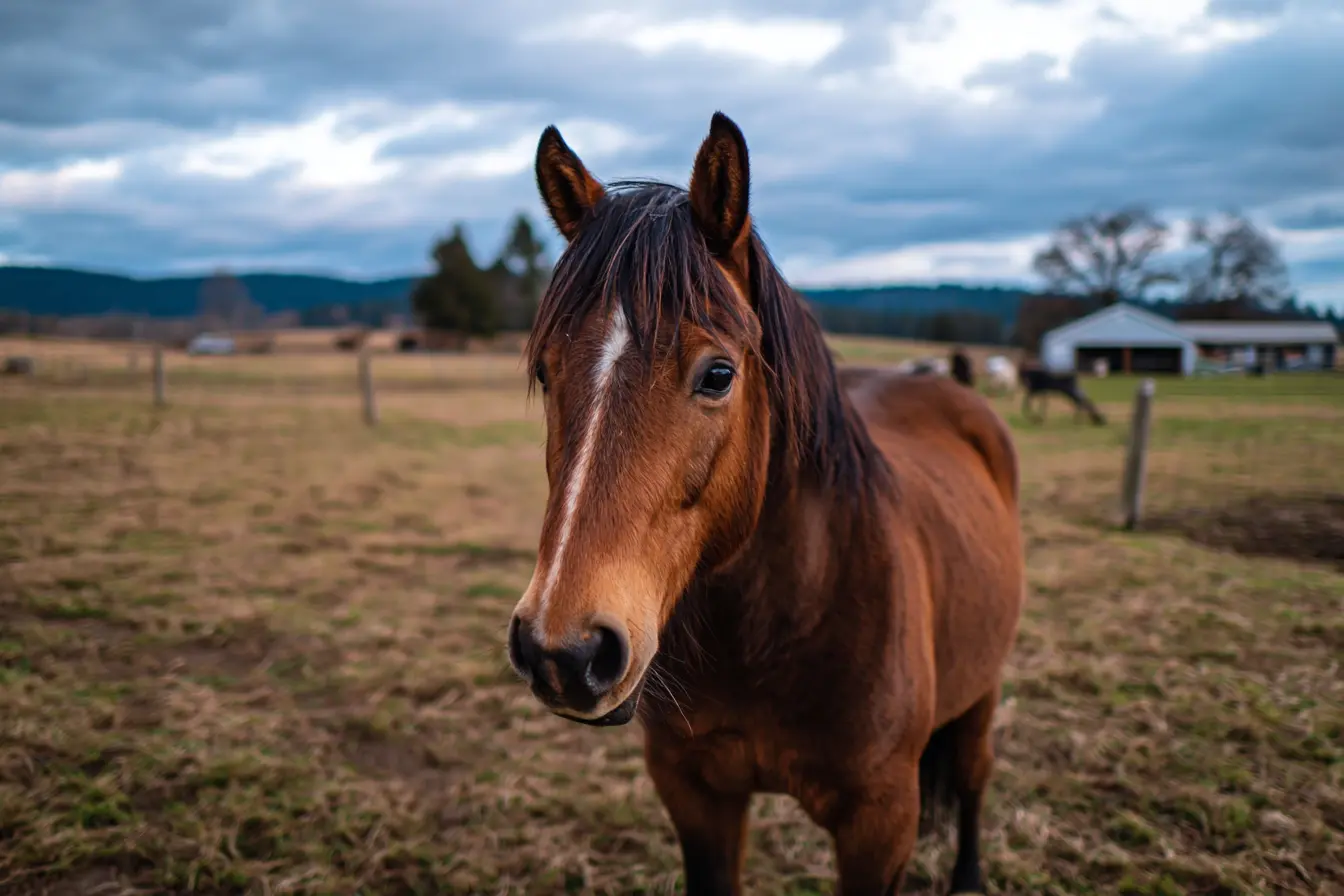
Muscle wastage, also known as muscle atrophy, is a condition in which a horse loses muscle mass over time. This can affect any muscle group in the body but is most commonly noticed along the topline, shoulders, hindquarters, or neck. In many cases, muscle wastage develops gradually and may initially appear as a loss of condition or changes in body shape.
Although mild muscle loss may occur with reduced workload or ageing, significant or unexplained muscle wastage often indicates an underlying health problem. Identifying the cause is important because muscle loss can affect a horse’s strength, movement, and overall wellbeing.
Understanding the possible causes, symptoms, and treatment options can help horse owners recognise muscle wastage early and take steps to restore the horse’s health and condition.
What Is Muscle Wastage
Muscle wastage occurs when muscle tissue breaks down faster than the body can rebuild it. Normally, muscle is constantly being renewed through a balance of protein breakdown and repair. When this balance is disrupted, muscles become smaller and weaker.
In horses, muscle wastage may appear as:
A loss of muscle along the back or topline
Sunken areas around the hips or hindquarters
Reduced muscle bulk in the shoulders or neck
A general loss of strength or condition
The condition can affect performance horses, older horses, or horses recovering from illness or injury.
Common Areas Affected
Muscle wastage may occur in several areas of the horse’s body.
Topline
The topline refers to the muscles along the back, including the neck, withers, back, and croup. Loss of muscle in this area can create a hollow or dipped appearance along the spine.
Hindquarters
Muscle loss in the hindquarters may make the horse appear narrow or weak behind. The muscles around the hips and thighs may appear smaller or uneven.
Shoulders
Loss of muscle around the shoulder region can lead to a more angular appearance and reduced strength during movement.
Neck
In some cases, the neck may appear thin or underdeveloped, particularly in horses with poor nutrition or metabolic conditions.
Causes of Muscle Wastage in Horses
Muscle wastage can result from many different factors. In some cases, the cause is related to management or nutrition, while in others it may involve disease or injury.
Poor Nutrition
One of the most common causes of muscle loss is inadequate nutrition. Horses require sufficient protein, calories, vitamins, and minerals to maintain healthy muscle tissue.
If a horse does not receive enough nutrients, the body may begin to break down muscle for energy.
Possible nutritional causes include:
Poor-quality forage
Insufficient feed intake
Protein deficiency
Imbalanced diets
Competition for food in group feeding situations
Lack of Exercise
Muscles require regular use to remain strong and healthy. Horses that are confined or have limited exercise may experience muscle loss due to inactivity.
This type of muscle wastage often occurs in:
Horses on prolonged stall rest
Horses recovering from injury
Horses with reduced workloads
Gradual reintroduction of exercise usually helps rebuild muscle in these cases.
Ageing
Older horses commonly experience muscle loss as part of the natural ageing process. Age-related muscle decline, sometimes referred to as sarcopenia, occurs as muscle regeneration slows over time.
Senior horses may require specialised nutrition and exercise programmes to maintain muscle condition.
Pain or Injury
Pain in the limbs, back, or joints can cause a horse to reduce movement or alter its posture. When certain muscles are used less frequently, they may begin to shrink.
Common causes include:
Lameness
Back pain
Joint disease
Saddle fit problems
In some cases, muscle wastage may develop unevenly if the horse avoids using one side of its body.
Neurological Conditions
Nerve damage can interfere with the signals that control muscle contraction. Without proper nerve stimulation, muscles may gradually waste away.
Neurological causes may include:
Spinal cord injuries
Equine protozoal myeloencephalitis in certain regions
Cervical vertebral malformation (wobbler syndrome)
Peripheral nerve damage
Muscle loss caused by nerve injury may occur on one side of the body or in specific muscle groups.
Muscle Diseases
Certain muscle disorders can lead to progressive muscle loss.
Examples include:
Polysaccharide storage myopathy (PSSM)
Immune-mediated myositis
Chronic muscle inflammation
These conditions may also cause stiffness, weakness, or poor performance.
Chronic Illness
Long-term illness can lead to muscle loss because the body uses protein reserves to support essential functions.
Conditions that may contribute to muscle wastage include:
Chronic infections
Liver disease
Kidney disease
Severe parasite infestations
Cancer
Weight loss often accompanies muscle loss in these cases.
Symptoms of Muscle Wastage
The signs of muscle wastage can vary depending on the underlying cause and the muscles affected.
Common signs include:
Visible loss of muscle mass
Changes in body shape or symmetry
Reduced strength or stamina
Poor performance during exercise
Uneven muscle development
Difficulty maintaining topline
In some cases, muscle loss may occur without obvious pain.
Behavioural Signs
Horses with muscle wastage may also show behavioural changes, such as:
Reluctance to work
Difficulty carrying a rider
Reduced energy levels
Changes in posture
These signs may indicate discomfort or weakness associated with muscle loss.
Diagnosis
Diagnosing the cause of muscle wastage requires a thorough veterinary evaluation.
The veterinarian will begin with a physical examination, assessing the horse’s body condition, posture, and muscle development.
Diagnostic Tests
Depending on the findings, further tests may include:
Blood tests to evaluate muscle enzymes and organ function
Nutritional evaluation of the diet
Neurological examination
Muscle biopsy in some cases
Imaging such as ultrasound or radiographs
These tests help determine whether the muscle loss is related to nutrition, injury, disease, or neurological problems.
Treatment
Treatment focuses on addressing the underlying cause of the muscle wastage and supporting muscle rebuilding.
Nutritional Support
Improving the horse’s diet is often a key part of treatment.
Dietary adjustments may include:
High-quality forage
Increased protein intake
Balanced vitamins and minerals
Additional calorie sources such as fats
Proper nutrition provides the building blocks needed for muscle repair.
Exercise and Rehabilitation
Controlled exercise helps stimulate muscle development.
Rehabilitation programmes may include:
Gradual conditioning work
Groundwork exercises
Hill work to strengthen hindquarters
Long and low work to build topline muscles
Exercise should be introduced gradually to avoid injury.
Treating Underlying Medical Conditions
If muscle wastage results from illness or injury, appropriate veterinary treatment is required.
This may include:
Anti-inflammatory medications
Treatment for infections or parasites
Management of metabolic or neurological conditions
Physiotherapy for injury recovery
Addressing the underlying problem is essential for successful recovery.
Prevention
Although not all cases of muscle wastage can be prevented, good management practices can reduce the risk.
Preventive strategies include:
Providing balanced nutrition
Ensuring regular exercise and turnout
Maintaining proper saddle fit
Scheduling routine dental care
Implementing effective parasite control programmes
Regular monitoring of body condition allows early detection of changes in muscle mass.
When to Contact a Veterinarian
Horse owners should seek veterinary advice if they notice:
Sudden or unexplained muscle loss
Muscle loss accompanied by weakness or lameness
Asymmetrical muscle development
Difficulty moving or exercising
Continued muscle loss despite good nutrition
Early veterinary evaluation improves the chances of identifying and treating the underlying cause.
Conclusion
Muscle wastage in horses can result from a wide range of factors, including poor nutrition, inactivity, ageing, injury, neurological disorders, and chronic illness. While mild muscle loss may occur during periods of reduced activity, significant or unexplained muscle wastage should always be investigated.
By monitoring changes in body condition, providing proper nutrition and exercise, and seeking veterinary care when needed, horse owners can help maintain healthy muscle development and support their horse’s long-term wellbeing.
Quick questions
- What should I know about muscle wastage?
- Muscle wastage in horses, or muscle atrophy, is when a horse loses muscle mass over time, often along the topline, hindquarters, shoulders or neck. Vet Verified can help you compare UK veterinary practices by location, species, services and opening hours before you call.
- When should I contact a vet about muscle wastage?
- Contact a veterinary practice if your pet seems unwell, symptoms are getting worse, you are unsure what to do, or the situation may be urgent. Vet Verified helps you compare practice details, but a vet should advise on your pet's current care.
- Can Vet Verified help me find horse vets?
- Yes. Use Vet Verified to compare horse vets across the UK, then check practice profiles and call directly to confirm current availability.
Find a vet
Find a veterinary practice
Compare UK veterinary practices related to this topic. Call the practice to confirm its current services and availability.