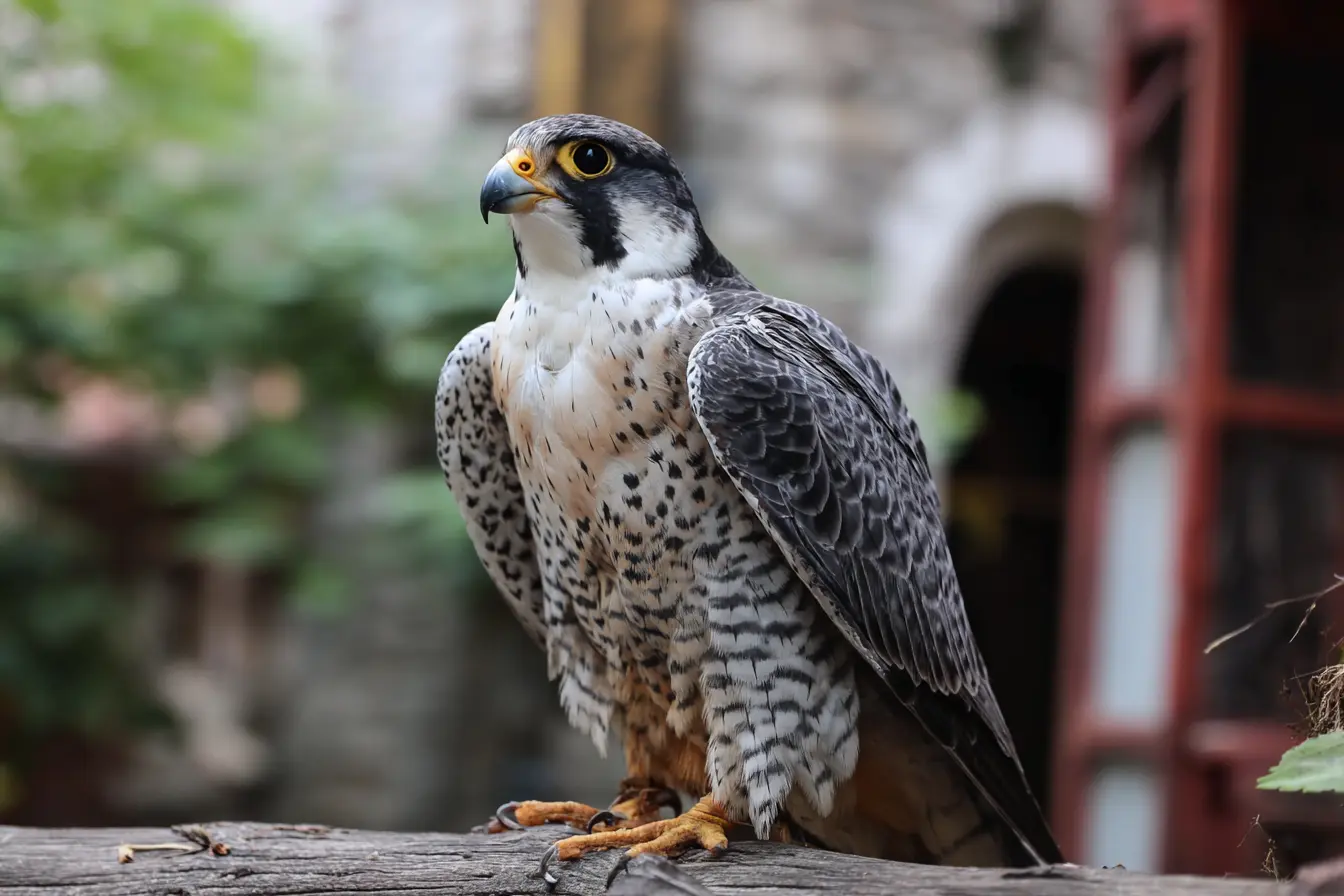
Manning is one of the most important and delicate stages in falconry training. It is the process of taming and acclimatising a bird of prey to human presence, handling, and everyday surroundings. Every successful falconry partnership begins with manning: without it, recall training, free flight, and hunting will all be much more difficult, if not impossible. This guide explains what manning is, why it matters, and how to do it effectively.
What Is Manning?
Manning is the practice of getting a hawk, falcon, or owl comfortable with:
Sitting calmly on the falconer’s glove.
Accepting food from the hand.
Tolerating human activity, movement, and noise.
Remaining composed in new environments, such as mews, weathering areas, or public displays.
It is about building trust and reducing fear responses, creating a calm, confident bird ready for further training.
Why Manning Matters
Trust Building: Forms the foundation of the falcon–falconer bond.
Stress Reduction: Helps prevent panic, feather damage, or injury.
Safety: A calm bird is safer to handle for both falconer and raptor.
Preparation for Training: Manning makes recall, creance work, and free flight possible.
When to Begin Manning
Start as soon as the bird has settled in after arrival in the mews (aviary).
Do not rush. Allow a short adjustment period before handling.
Early manning usually takes place while the bird is at or approaching its manning weight, ensuring it is alert and motivated by food.
Equipment Needed
Falconry Glove (Gauntlet): Protects the falconer’s hand and arm.
Anklets and Jesses: Secure fittings on the bird’s legs.
Leash and Swivel: To tether safely during training.
Hood (optional): Used for calming some species, especially falcons.
Lure or Food Rewards: Key for positive reinforcement.
Scales: For daily weight management.
The Manning Process
Step 1: Initial Handling
Place the bird on the glove using calm, confident movements.
Sit quietly, letting the bird adjust to your presence.
Step 2: Feeding on the Glove
Offer small food rewards from the glove.
Encourage the bird to associate the glove with safety and food.
Step 3: Introducing Movement
Walk short distances with the bird on the glove.
Allow it to experience doors opening, people moving, or animals at a distance.
Step 4: Exposure to Environments
Gradually introduce the bird to new sights and sounds: vehicles, fields, indoor spaces.
Keep sessions short and positive to avoid stress.
Step 5: Building Duration
Extend the length of handling sessions over time.
Aim for the bird to sit calmly on the glove for long periods without agitation.
Tips for Successful Manning
Be Patient: Manning can take days or weeks depending on the bird.
Stay Calm: Move slowly and confidently. Nervous handlers create nervous birds.
Consistency: Handle the bird daily to reinforce trust.
Positive Reinforcement: Use food rewards to encourage calm behaviour.
End Positively: Finish each session on a good note, even if progress is small.
Signs of Progress
The bird eats confidently on the glove.
Reduced bating (flying off the glove).
Calm posture, feathers sleek rather than fluffed.
Curiosity replacing fear, looking around rather than panicking.
Tolerates longer handling sessions and more environments.
Common Mistakes to Avoid
Rushing the Process – Each bird adapts at its own pace.
Over-handling Early On – Long sessions too soon can stress the bird.
Ignoring Weight Management – Birds that are too heavy may not respond; too light and they risk weakness.
Forcing Situations – Never push a bird into an environment it clearly cannot handle yet.
Inconsistent Handling – Skipping days can slow progress and undo trust.
How Long Does Manning Take?
Some birds adjust within a week, while others may take several weeks.
Species, age, and temperament all affect the pace.
Consistent, gentle handling is the best way to shorten the process.
Conclusion
Manning is the cornerstone of falconry training, shaping how a bird perceives its handler and surroundings. With patience, consistency, and care, a manned bird becomes calm, responsive, and ready for the next stages of falconry—creance training, free flight, and hunting. Rushing this stage can set training back significantly, but doing it right lays the foundation for a lifetime partnership between falconer and raptor.
Quick questions
- What should I know about manning?
- Manning in falconry is the gentle process of taming a hawk, falcon or owl so it sits calmly on the glove, takes food by hand and copes with people and new places. Vet Verified can help you compare UK veterinary practices by location, species, services and opening hours before you call.
- When should I contact a vet about manning?
- Contact a veterinary practice if your pet seems unwell, symptoms are getting worse, you are unsure what to do, or the situation may be urgent. Vet Verified helps you compare practice details, but a vet should advise on your pet's current care.
- Can Vet Verified help me find bird vets?
- Yes. Use Vet Verified to compare bird vets across the UK, then check practice profiles and call directly to confirm current availability.
Find a vet
Find a veterinary practice
Compare UK veterinary practices related to this topic. Call the practice to confirm its current services and availability.