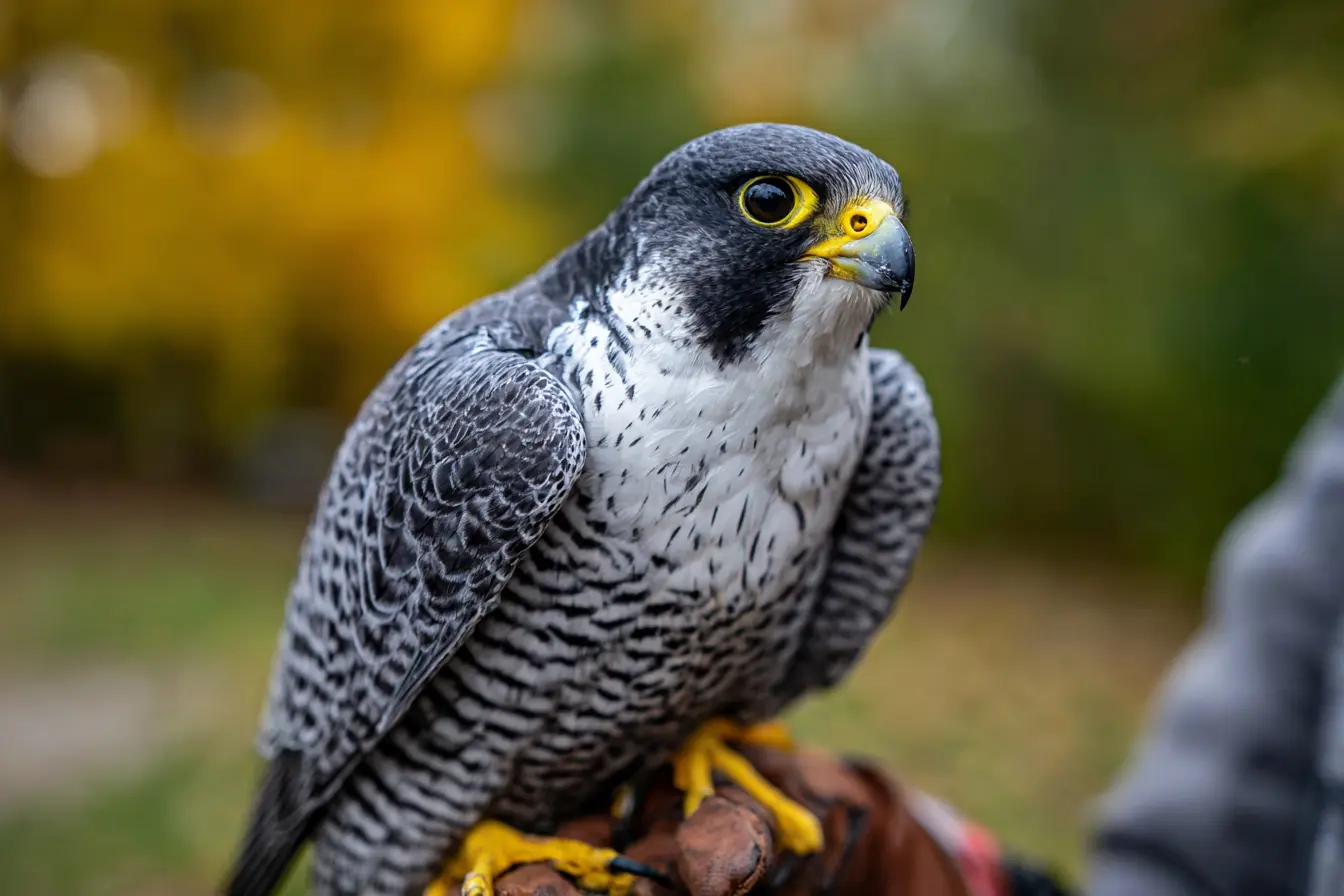
Lure training is one of the most important techniques in falconry, especially for falcons. It is the process of teaching a bird of prey to recognise, strike, and return to a lure - a piece of leather or wing material designed to imitate prey. Used for centuries, the lure serves as a safe, controlled way to exercise birds, reinforce recall, and sharpen their hunting instincts. This guide covers everything you need to know to start lure training effectively and safely.
What Is a Lure?
A lure is a falconry tool used to attract and train raptors. It is usually:
Made of leather or synthetic material, often shaped like a bird or rabbit.
Decorated with wings, feathers, or fur to mimic natural prey.
Fitted with a line for swinging or dragging.
Used with a food reward attached to reinforce successful strikes.
Different lures are designed for different purposes:
Swinging Lure: Used for falcons, swung through the air to simulate flying quarry.
Dragging Lure: Used for hawks, dragged along the ground to simulate running prey.
Double Lure: With two “arms,” often used for stronger visual attraction.
Why Use a Lure?
Recall Training: Reinforces returning to the falconer when called.
Fitness and Exercise: Builds stamina and muscle tone.
Hunting Simulation: Encourages natural strike and pursuit behaviour.
Control in Flight: A reliable way to bring the bird back during free flights.
Bonding: Builds trust between falcon and falconer.
Equipment Needed
Lure: Appropriately sized and designed for your species.
Glove: Leather gauntlet to protect your hand.
Whistle: To give a consistent recall cue.
Telemetry: Always fitted to free-flying birds for safety.
Food Reward: Attached to the lure—fresh prey portions, such as pigeon or quail.
Preparing for Lure Training
Manning First
Ensure the bird is calm on the glove, accepts food, and responds to basic recall.
Set Flying Weight
The bird must be at its established training weight. Alert and motivated, not overfed.
Choose Location
Open ground free from hazards, ideally with no trees, wires, or distractions.
Check Equipment
Lure, jesses, swivel, and telemetry must all be in working order.
Steps in Lure Training
Step 1: Introduction to the Lure
Present the lure on the ground with food attached.
Allow the bird to investigate and eat building a positive association.
Step 2: Short Tosses
Toss the lure a short distance and encourage the bird to strike.
Reward immediately by letting it feed on the lure.
Step 3: Swinging the Lure
Begin swinging the lure in wide arcs.
Encourage the bird to pursue and strike.
Reward only when the bird makes a clean catch. Never allow repeated misses.
Step 4: Controlled Recall
Use the lure to call the bird back from longer distances.
Always pair recall with a whistle or voice cue.
Step 5: Advanced Training
Increase speed and distance to improve the bird’s fitness and sharpness.
Practise multiple stoops (dives) to mimic real hunting flights.
Tips for Success
Reward Every Strike: Ensure the bird always gets food when it catches the lure.
Keep Sessions Short: Overlong training can tire or frustrate the bird.
Consistency: Train regularly at the same time each day.
End Positively: Finish sessions with a successful strike and reward.
Common Mistakes to Avoid
Overusing the Lure – Birds may lose interest if trained too frequently.
Allowing Misses – Consistent misses can frustrate the bird; keep swings smooth and achievable.
Poor Timing of Rewards – Delayed food can weaken the association between strike and reward.
Flying When Overweight – A bird that is too heavy will ignore the lure.
Neglecting Telemetry – Never free-fly without tracking equipment.
Safety Considerations
Avoid flying near busy roads, power lines, or areas with wild raptors.
Ensure no bystanders are in the swing path of the lure.
Do not use unsafe or spoiled food on the lure.
Stop immediately if the bird shows signs of fatigue.
Conclusion
Lure training is at the heart of falconry, combining tradition, skill, and modern practice. It teaches recall, sharpens hunting instincts, and keeps birds of prey fit and responsive. With patience, consistency, and proper technique, the lure becomes an invaluable tool in your falconry journey, ensuring both bird welfare and successful flights.
Quick questions
- What should I know about lure training?
- Lure training in falconry teaches falcons and hawks to recognise, strike and return to a lure. A lure is leather or synthetic, shaped with wings or fur and fitted with a line and a food reward. Vet Verified can help you compare UK veterinary practices by location, species, services and opening hours before you call.
- When should I contact a vet about lure training?
- Contact a veterinary practice if your pet seems unwell, symptoms are getting worse, you are unsure what to do, or the situation may be urgent. Vet Verified helps you compare practice details, but a vet should advise on your pet's current care.
- Can Vet Verified help me find bird vets?
- Yes. Use Vet Verified to compare bird vets across the UK, then check practice profiles and call directly to confirm current availability.
Find a vet
Find a veterinary practice
Compare UK veterinary practices related to this topic. Call the practice to confirm its current services and availability.