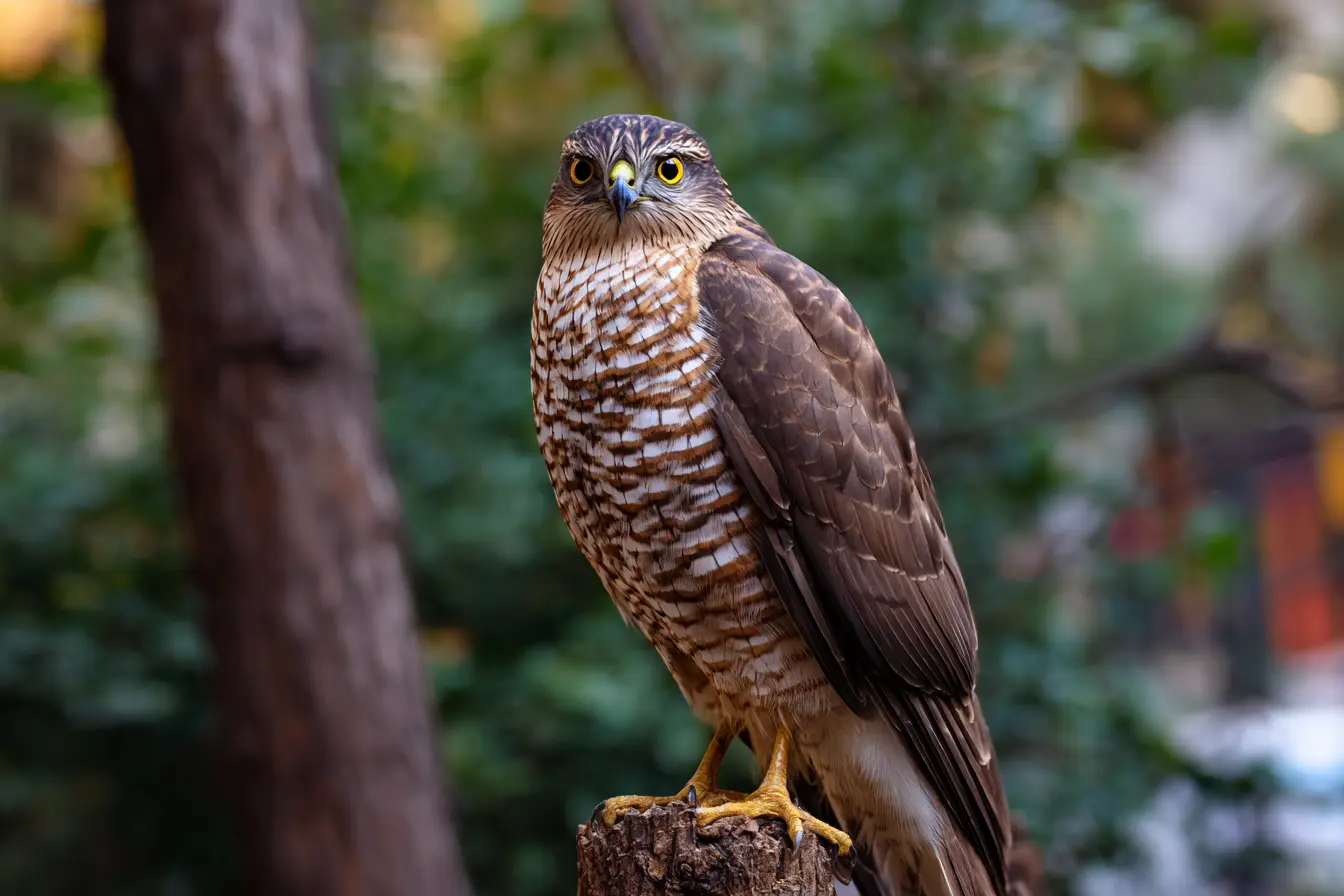
Transporting a bird of prey safely is a fundamental part of falconry and bird care. Whether travelling a few miles to a flying site, attending a display, or taking your bird to the vet, proper transport ensures the bird’s welfare and prevents stress or injury. This guide explains everything you need to know about preparing, equipment, safety, and best practices for transporting raptors.
Why Transport Safety Matters
Birds of prey are highly sensitive animals. Poor transport can lead to:
Stress: Causing weight loss, illness, or poor behaviour.
Injury: From panic bating (trying to fly off the glove) or colliding with unsafe carriers.
Feather Damage: Broken feathers reduce flight efficiency and can take months to regrow.
Escapes: Insecure carriers risk losing the bird entirely.
Transport Options
Falconry Box (Carrying Box)
A purpose-built, ventilated box for transporting raptors.
Often made from wood, plastic, or composite materials.
Keeps the bird calm in darkness and prevents feather damage.
Features to Look For:
Secure locking door.
Adequate ventilation holes.
Perch inside with suitable diameter and surface.
Easy to clean and disinfect.
Giant Hood
A large, enclosed hood that holds the bird in darkness during transport.
Commonly used for falcons.
Keeps the bird calm but requires correct fit and design to avoid feather rub.
On the Glove (Short Trips Only)
Rarely recommended, but very short transfers (e.g., from mews to weathering area) may be done on the glove.
Always tether securely with leash and swivel.
Not suitable for vehicle transport.
Preparing the Bird for Transport
Familiarise Early: Introduce the bird to its box or hood during manning, so it learns to associate the carrier with calmness and safety.
Hood Training (Optional): For falcons especially, being hooded can reduce stress in transit.
Feeding Considerations: Avoid transporting immediately after a heavy meal, as motion can cause regurgitation.
Hydration: Ensure the bird has had access to clean water before travel, especially on hot days.
In the Vehicle
Secure Positioning: Place the box on a flat, stable surface, ideally strapped in with a seatbelt.
Ventilation: Never leave a bird in a hot or poorly ventilated car. Heat stress is a serious risk.
Quiet Environment: Keep noise low, avoid loud music or sudden disturbances.
Avoid Drafts: Do not place boxes directly in front of strong air vents or open windows.
During Long Journeys
Regular Checks: Stop periodically to ensure the bird is comfortable and secure.
Temperature Monitoring: Maintain a stable environment; use shades or covers if needed.
Hydration Breaks: Offer water at intervals, particularly in warm weather.
Food: For very long trips, plan small, appropriate feeds, but avoid overfeeding in transit.
After Transport
Calm Release: Move to a quiet area before opening the box.
Check for Injuries: Inspect feathers, talons, and jesses for signs of damage.
Reassure: Allow the bird to settle on the glove or perch before further activity.
Clean the Box: Disinfect regularly to prevent build-up of droppings and bacteria.
Safety Tips
Always double-check locks and latches before setting off.
Train the bird to enter the transport box calmly, never force roughly.
Keep spare jesses, leash, and a glove in the vehicle in case of emergencies.
Never leave the bird unattended in a vehicle.
Common Mistakes to Avoid
Improvised Carriers: Boxes not designed for birds risk injury or escape.
Overcrowding: Never transport more than one bird in a single box.
Heat Stress: Birds can die quickly if left in hot cars.
Untrained Birds: Forcing a nervous bird into a box can lead to panic and injury.
Conclusion
Transporting a bird of prey safely is about preparation, proper equipment, and calm handling. A well-designed box or giant hood, combined with careful vehicle conditions and regular checks, ensures your raptor arrives in good health and ready to fly, display, or visit the vet. With consistent training and attention to detail, transport becomes just another part of your falconry routine.
Quick questions
- What should I know about bird of prey transport?
- Transporting birds of prey safely keeps them calm and healthy and is vital in falconry. Use a purpose-built transport box or a giant hood and train the bird to enter calmly. Vet Verified can help you compare UK veterinary practices by location, species, services and opening hours before you call.
- When should I contact a vet about bird of prey transport?
- Contact a veterinary practice if your pet seems unwell, symptoms are getting worse, you are unsure what to do, or the situation may be urgent. Vet Verified helps you compare practice details, but a vet should advise on your pet's current care.
- Can Vet Verified help me find bird vets?
- Yes. Use Vet Verified to compare bird vets across the UK, then check practice profiles and call directly to confirm current availability.
Find a vet
Find a veterinary practice
Compare UK veterinary practices related to this topic. Call the practice to confirm its current services and availability.