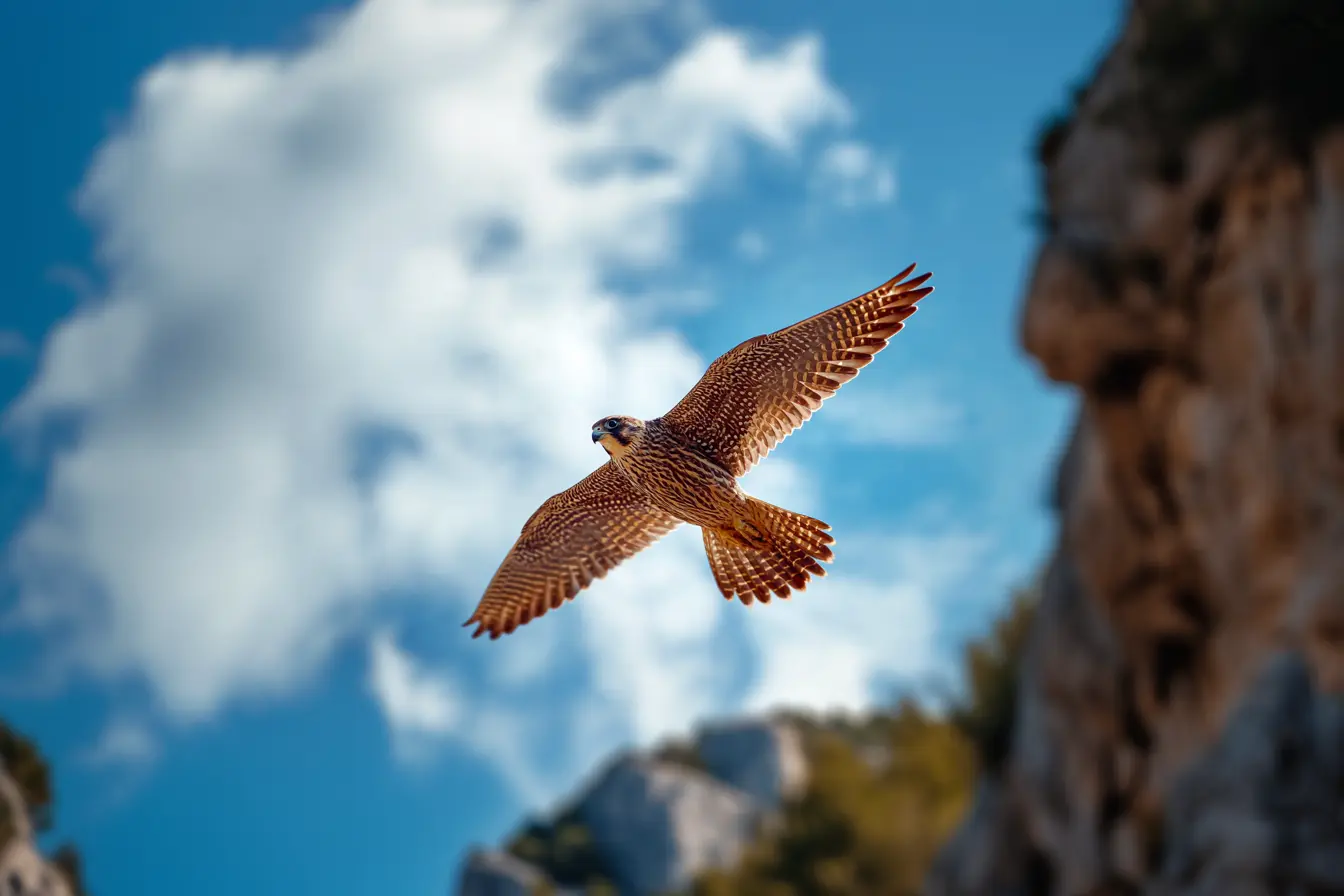
Flying a bird of prey is one of the most exciting and rewarding aspects of falconry. Whether for hunting, pest control, or display, free flight allows raptors to exercise, develop skills, and form a strong working bond with their handler. However, this is not something that can be rushed. Safe and successful free flight requires careful preparation, training, and understanding of the bird’s behaviour. This guide covers everything you need to know to get started.
The Purpose of Flying
Flying birds of prey serves multiple important functions:
Exercise: Maintains physical fitness, muscle tone, and stamina.
Mental Stimulation: Encourages natural hunting instincts and problem-solving.
Training Reinforcement: Builds trust and strengthens recall.
Hunting Practice: Prepares the bird for quarry or maintains skills between hunts.
Public Display: Demonstrates natural behaviours in educational or entertainment settings.
Pre-Flight Preparation
Equipment Check
Before every flight, inspect:
Anklets and Jesses: Ensure they are in good condition with no cracks or fraying.
Swivels: Should move freely without sticking.
Leash (or Lead): Securely attached when handling before release.
Telemetry: GPS or radio tracker fitted and tested - essential for free flight safety.
Health and Fitness
Only fly a bird that is healthy, alert, and in good condition.
Avoid flying during moult or illness.
Ensure talons and beak are in good shape.
Weight Management
The bird should be at or near its established flying weight - alert, motivated, but not weak.
Weigh daily before and after flights to monitor condition.
Types of Flying
Creance Training
Early-stage training using a long, lightweight line (creance) to practice recall.
Allows the bird to build flight muscles while staying under control.
Free Flight
Bird is untethered and flies freely.
Requires a strong, reliable recall before attempting.
Suitable locations: open fields, moorland, or woodland edges depending on species.
Hunting Flights
Used to take legal quarry in accordance with game laws.
Demands advanced training and a fit, experienced bird.
Always secure landowner permission before hunting.
Display Flights
Birds are flown for public demonstration.
Focus is on showcasing natural flight patterns and species characteristics.
Flying Locations
Open Ground: Ideal for falcons and Red-tailed Hawks.
Woodland Edge: Suits goshawks and other short-winged hawks.
Farmland: Often used for Harris’s Hawks and buzzards.
Always avoid areas with heavy traffic, power lines, or known raptor predators.
Recall Training
A reliable recall is the foundation of safe flying:
Glove Feeding: Build the association between returning and food reward.
Short Flights: Start with the creance before progressing to short free flights.
Gradual Distance Increase: Increase range slowly to strengthen recall confidence.
Lure Training: Especially for falcons, use a swinging lure to simulate prey.
Safety Considerations
Weather: Avoid strong winds, heavy rain, fog, or extreme heat.
Predators: Be aware of wild raptors, foxes, or dogs that could threaten your bird.
Crowds: Public flights require crowd control and experienced handling.
Time of Day: Early mornings or late afternoons often provide calmer, safer conditions.
After the Flight
Offer a suitable food reward either in the field or back at the aviary.
Inspect anklets, jesses, and feathers for damage.
Record weight, food given, and behavioural notes in your falconry log.
Allow the bird to rest and preen.
Common Mistakes to Avoid
Flying Too Early – Attempting free flight before recall is solid can result in losing the bird.
Ignoring Weight Control – Overfed birds may wander; underfed birds risk injury or poor performance.
Poor Location Choice – Flying near hazards increases danger to the bird.
Skipping Telemetry – Even the best-trained birds can get spooked and fly off.
Conclusion
Flying a bird of prey is the ultimate goal for many falconers, offering a unique connection between human and raptor. It is, however, a skill that must be learned gradually, with a focus on safety, preparation, and the bird’s welfare. With proper training, careful weight management, and suitable flying sites, you can enjoy watching your bird soar, stoop, and hunt while maintaining full control and trust between you and your avian partner.
Quick questions
- What should I know about free flight falconry?
- Free flight helps birds of prey stay fit, practise natural skills and build trust with their handler. Start with health checks, safe equipment, daily weight records and a tested tracker. Vet Verified can help you compare UK veterinary practices by location, species, services and opening hours before you call.
- When should I contact a vet about free flight falconry?
- Contact a veterinary practice if your pet seems unwell, symptoms are getting worse, you are unsure what to do, or the situation may be urgent. Vet Verified helps you compare practice details, but a vet should advise on your pet's current care.
- Can Vet Verified help me find dog vets?
- Yes. Use Vet Verified to compare dog vets across the UK, then check practice profiles and call directly to confirm current availability.
Find a vet
Find a veterinary practice
Compare UK veterinary practices related to this topic. Call the practice to confirm its current services and availability.
Search by species
- Dog vets Find UK veterinary practices that list care for dogs. Compare opening hours, services, facilities and verified profiles, then contact a practice directly.
- Bird vets Find UK veterinary practices that list care for birds. Compare opening hours, services, facilities and verified profiles, then contact a practice directly.