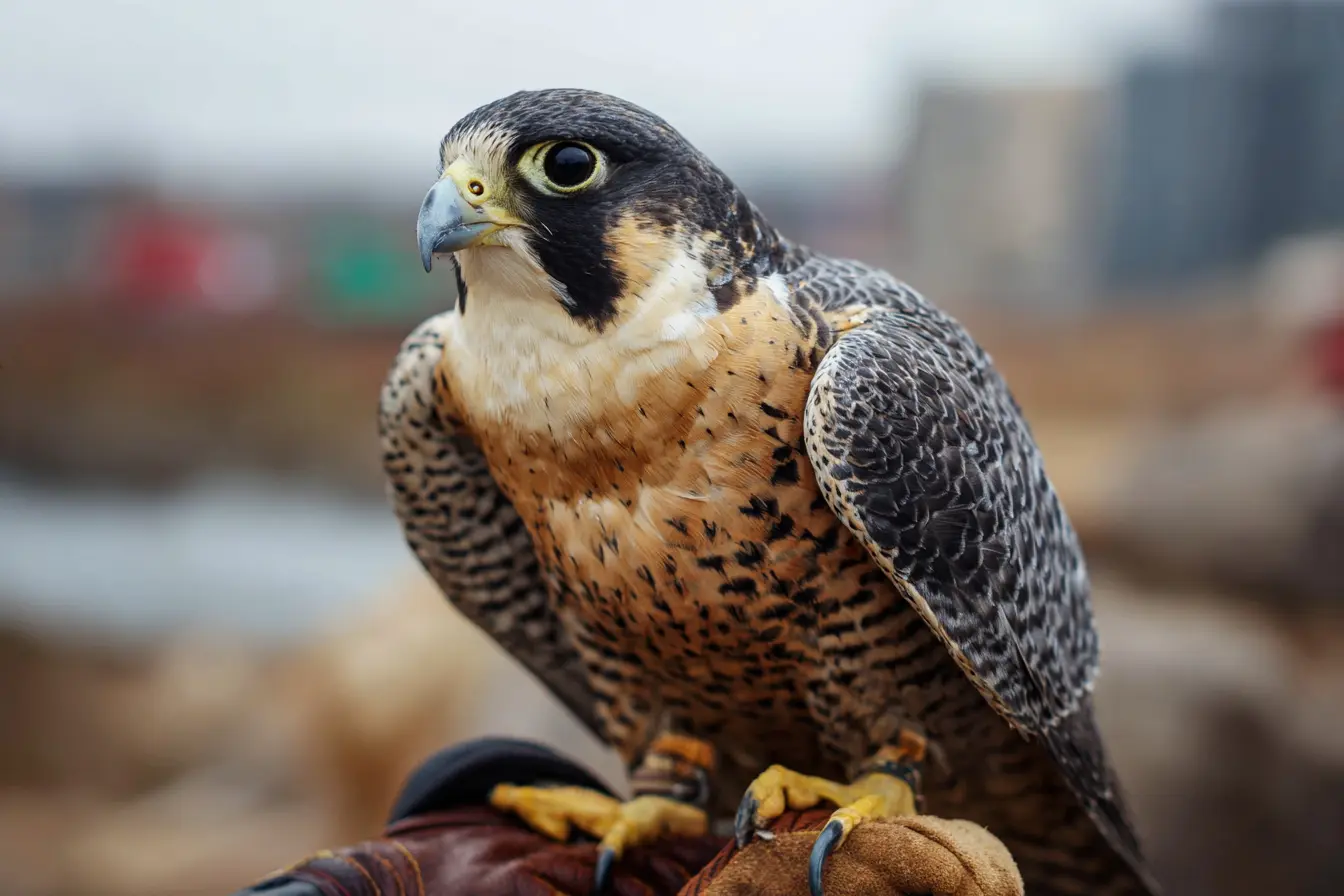
Free flight is the pinnacle of falconry training, the moment when a bird of prey is flown untethered, fully exercising its wings, instincts, and hunting ability. For the falconer, it is one of the most exhilarating and nerve-wracking stages of the sport. Free flight should never be rushed; it requires patient groundwork, careful weight management, and thorough training. This guide covers everything you need to know to get started safely with free flight.
What Is Free Flight?
Free flight is the stage at which a bird of prey flies without the security of a creance (training line), responding reliably to the falconer’s recall cues. It is the closest a falconer and raptor come to recreating the freedom of wild flight while still maintaining a working partnership.
Prerequisites for Free Flight
Before attempting free flight, ensure:
Manning is Complete: The bird is calm on the glove and comfortable with handling.
Recall Is Reliable: The bird comes to the glove or lure consistently on the creance.
Flying Weight Is Established: Daily weighing ensures the bird is alert and responsive without being weak.
Lure Training Is Solid: Particularly important for falcons, as the lure becomes the ultimate recall tool.
Telemetry Is Ready: A GPS or radio tracking system is fitted and tested before the first release.
Equipment Needed
Glove (Gauntlet): For safe handling.
Anklets and Jesses: Securely fitted for control before release.
Swivel and Leash: Used until the bird is free-flying.
Telemetry: GPS or radio tracking to locate the bird if it strays.
Lure or Whistle: For recall and reward.
Scales: For accurate weight management each day.
Transport Box: Safe and secure for travel to and from flying sites.
Choosing a Flying Site
Select a location that is:
Open and Safe: Wide fields, moorland, or farmland with minimal hazards.
Free of Overhead Wires: Power lines are a major danger to raptors in flight.
Away from Roads: To prevent accidents if the bird lands nearby.
Low Disturbance: Avoid crowded areas, dogs, or wild raptors that could cause distractions or danger.
Steps in Free Flight Training
Step 1: First Release
Begin in a quiet, open field.
Keep initial free flights short, using the glove or lure to call the bird back quickly.
Reward immediately with food.
Step 2: Building Confidence
Gradually increase distance and duration of flights.
Reinforce recall with consistent whistle or voice commands.
Step 3: Fitness and Endurance
Encourage longer flights and multiple recalls to build stamina.
For falcons, practise lure stoops to mimic hunting behaviour.
Step 4: Hunting Practice
Once recall and fitness are reliable, introduce the bird to legal quarry in appropriate conditions.
Always hunt with landowner permission and within game seasons.
Daily Routine for Free Flight Birds
Weigh Before Flying: Ensure the bird is at flying weight.
Pre-Flight Equipment Check: Inspect anklets, telemetry, and jesses.
Controlled Release: Start with recall before letting the bird explore further.
Reward Success: Always provide food after recall or a successful flight.
Weigh Again Post-Flight: Record changes and adjust future feeding.
Safety Considerations
Weather: Avoid strong winds, fog, heavy rain, or extreme heat.
Wild Raptors: Be cautious of peregrines, goshawks, or buzzards that may challenge your bird.
Distractions: Dogs, crowds, or vehicles can cause panic or fly-offs.
Fatigue: Stop immediately if the bird shows signs of exhaustion.
Common Mistakes to Avoid
Flying Too Early: Free flight before recall is reliable risks losing the bird.
Skipping Telemetry: Even well-trained birds can be spooked and fly away.
Overfeeding Before Flight: A full bird is less likely to return.
Unsafe Locations: Trees, wires, or roads greatly increase risks.
Inconsistent Training: Skipping sessions weakens recall and responsiveness.
After the Flight
Feed Reward: Offer part of the daily ration on the glove or lure.
Inspect the Bird: Check feathers, talons, and equipment for damage.
Record Data: Note weight, behaviour, and response times in your training log.
Rest and Preening: Allow time for the bird to recover after exertion.
Conclusion
Free flight is the ultimate goal in falconry, showcasing the beauty and skill of a bird of prey in its natural element. Achieving it safely requires patience, preparation, and dedication. With thorough manning, reliable recall, proper weight management, and safe flying sites, free flight becomes not only possible but deeply rewarding—for falconer and raptor alike. Done correctly, it forms the foundation of hunting, display, and the unique partnership at the heart of falconry.
Quick questions
- What should I know about free flight falconry?
- Free flight in falconry is when a bird of prey flies untethered and comes back to the falconer on command. Vet Verified can help you compare UK veterinary practices by location, species, services and opening hours before you call.
- When should I contact a vet about free flight falconry?
- Contact a veterinary practice if your pet seems unwell, symptoms are getting worse, you are unsure what to do, or the situation may be urgent. Vet Verified helps you compare practice details, but a vet should advise on your pet's current care.
- Can Vet Verified help me find dog vets?
- Yes. Use Vet Verified to compare dog vets across the UK, then check practice profiles and call directly to confirm current availability.
Find a vet
Find a veterinary practice
Compare UK veterinary practices related to this topic. Call the practice to confirm its current services and availability.
Search by species
- Dog vets Find UK veterinary practices that list care for dogs. Compare opening hours, services, facilities and verified profiles, then contact a practice directly.
- Bird vets Find UK veterinary practices that list care for birds. Compare opening hours, services, facilities and verified profiles, then contact a practice directly.