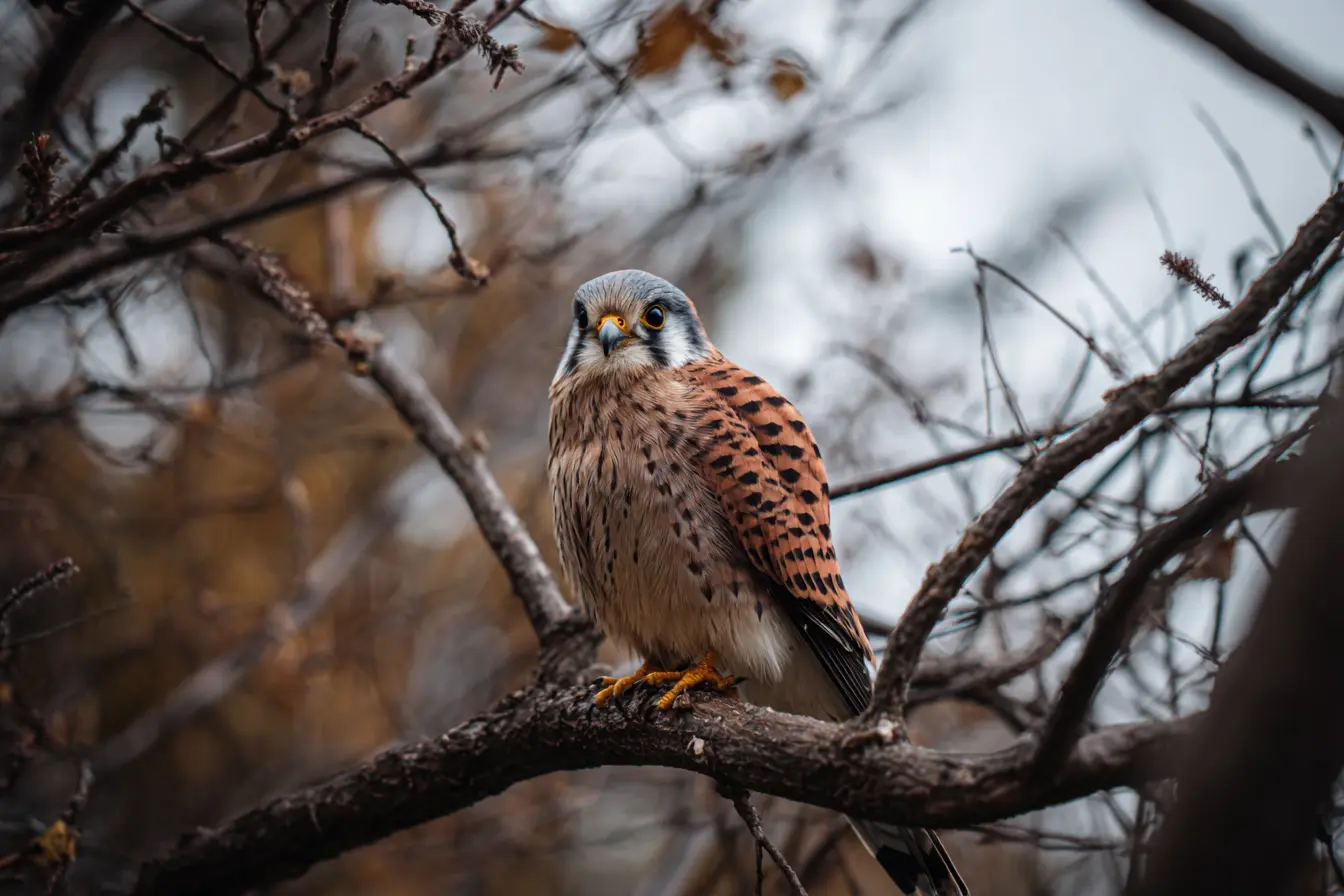
Birds of prey are finely tuned athletes, capable of extraordinary speed, agility, and endurance. But like any athlete, they tire, and fatigue can appear suddenly if not recognised early. In falconry, display work, or rehabilitation, it is essential to know when a bird has had enough. Flying a tired bird risks injury, illness, and even long-term damage. This guide explains how to spot the signs of fatigue, why it happens, and what to do when you see it.
Why Recognising Fatigue Matters
Welfare First: Tired birds are vulnerable to stress and strain.
Prevents Accidents: Fatigue increases the risk of collisions, crashes, or feather damage.
Maintains Training: Pushing too hard can harm trust between falconer and bird.
Keeps Responses Sharp: A rested bird is focused, alert, and reliable on the glove or lure.
Causes of Fatigue
Fatigue in birds of prey can be caused by:
Overlong sessions: Repeated lure flights, long creance recalls, or too many hunting slips.
Weather conditions: Heat, humidity, or strong winds make flying more demanding.
Poor fitness: Birds that are out of condition tire quickly.
Nutrition issues: Inadequate diet or poor weight management reduces stamina.
Illness or parasites: Health problems can mimic or accelerate fatigue.
Physical Signs of Fatigue
Laboured wingbeats: Flight looks heavy and less controlled.
Drooping wings: Bird rests with wings held low.
Panting or open-mouth breathing: Especially noticeable in hot weather.
Unsteady perching: Struggles to balance, may rest on hocks.
Shaking or trembling: Signs of muscular weakness after exertion.
Excessive fluffing: Trying to cool down or regulate temperature.
Behavioural Signs of Fatigue
Slow response to recall: Returns reluctantly or takes longer than usual.
Loss of focus: Stops scanning actively or paying attention to surroundings.
Abandoned chases: Gives up quarry too quickly.
Refusal to fly: May sit stubbornly on perch or glove despite encouragement.
Over-preening: Long bouts of preening mid-session may indicate exhaustion or stress.
How to Respond When a Bird is Tired
Stop immediately: End the training or display session as soon as fatigue is noticed.
Allow rest: Return the bird to the glove, a perch, or transport box in a quiet place.
Provide water: Offer clean, fresh water especially vital after hot or strenuous flights.
Offer food: Reward with a portion of the daily ration to replenish energy.
Monitor recovery: Check weight, posture, and alertness before the next session.
Preventing Fatigue
Build fitness gradually: Start with short flights and increase duration slowly.
Fly at the right weight: Proper weight management ensures energy and motivation.
Choose suitable weather: Avoid extreme heat, wind, or damp conditions.
Keep sessions short: Multiple short flights are better than one overlong session.
Regular training: Consistency improves stamina without overtaxing the bird.
End on success: Always stop before the bird becomes exhausted.
When Fatigue Signals Illness
Fatigue that appears too quickly or doesn’t improve with rest can indicate health problems, such as:
Respiratory infections (e.g., aspergillosis).
Internal parasites reducing stamina.
Nutritional deficiencies affecting muscle performance.
Hidden injuries interfering with strength or flight.
If you suspect illness, seek immediate advice from a qualified avian vet.
Conclusion
Recognising fatigue in a bird of prey is an essential skill for any falconer, display handler, or rehabilitator. By spotting the early signs, whether in flight or on the perch, you can prevent accidents, protect your bird’s health, and maintain a strong, trusting partnership. Always remember: it is better to finish a session early than to risk pushing a tired bird beyond its limits.
Quick questions
- What should I know about signs of fatigue in birds of prey?
- Birds of prey can tire quickly during falconry, displays or rehabilitation. Watch for heavy wingbeats, drooping wings, panting, poor balance, slow recalls, loss of focus or refusal to fly. Vet Verified can help you compare UK veterinary practices by location, species, services and opening hours before you call.
- When should I contact a vet about signs of fatigue in birds of prey?
- Contact a veterinary practice if your pet seems unwell, symptoms are getting worse, you are unsure what to do, or the situation may be urgent. Vet Verified helps you compare practice details, but a vet should advise on your pet's current care.
- Can Vet Verified help me find bird vets?
- Yes. Use Vet Verified to compare bird vets across the UK, then check practice profiles and call directly to confirm current availability.
Find a vet
Find a veterinary practice
Compare UK veterinary practices related to this topic. Call the practice to confirm its current services and availability.