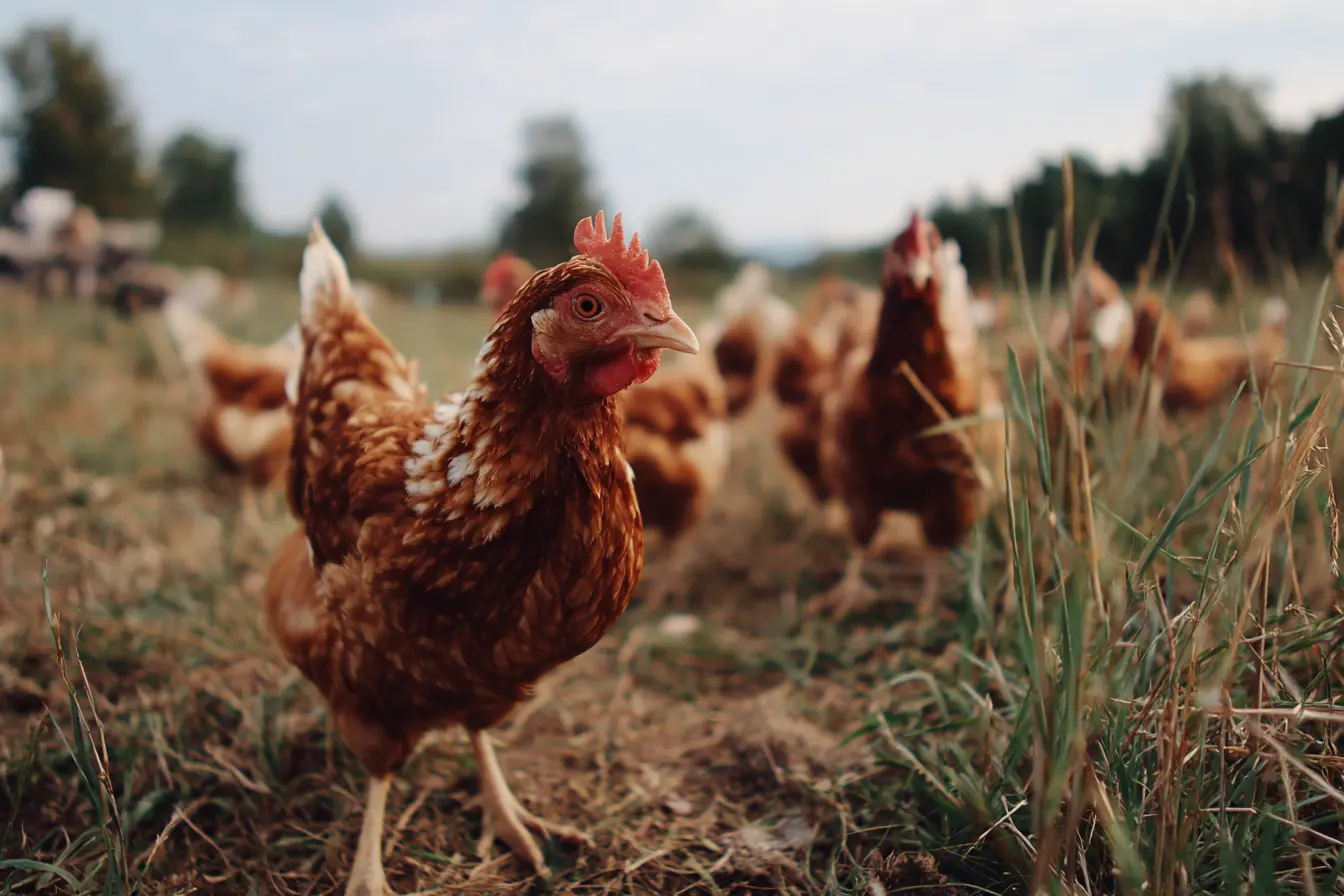
Chickens are curious by nature and love to peck at just about anything, including plants in their environment. While they generally avoid toxic species instinctively, that’s not always the case—especially with younger or confined birds. As a responsible chicken keeper, it’s important to know which plants could pose a risk to your flock’s health.
This guide outlines common toxic plants found in UK gardens and countryside, their effects, and how to keep your chickens safe.
Why Some Plants Are Dangerous
Toxic plants contain natural compounds such as alkaloids, glycosides, or oxalates that can be harmful to chickens if ingested. Reactions can vary from mild digestive upset to neurological issues or even death, depending on the quantity eaten and the bird’s general health.
Not all exposures result in symptoms, but it’s best to err on the side of caution.
Common Toxic Plants in the UK
Below is a list of plants commonly found in gardens, hedgerows, or wild areas in the UK that are known to be toxic to chickens:
Foxglove (Digitalis purpurea)
Toxin: Digitalis glycosides
Effects: Heart irregularities, weakness, vomiting, and death.
Yew (Taxus baccata)
Toxin: Taxine alkaloids
Effects: Sudden death due to cardiac failure; highly toxic.
Buttercup (Ranunculus spp.)
Toxin: Protoanemonin
Effects: Mouth blistering, drooling, diarrhoea.
Rhododendron and Azalea (Rhododendron spp.)
Toxin: Grayanotoxins
Effects: Drooling, vomiting, paralysis, cardiac distress.
Nightshade (Solanum spp.)
Toxin: Solanine
Effects: Lethargy, confusion, diarrhoea, convulsions.
Daffodils (Narcissus spp.)
Toxin: Lycorine
Effects: Vomiting, abdominal pain, trembling.
Laburnum (Laburnum anagyroides)
Toxin: Cytisine
Effects: Nervousness, convulsions, breathing difficulty.
Hemlock (Conium maculatum)
Toxin: Coniine
Effects: Trembling, salivation, respiratory paralysis, death.
Lily of the Valley (Convallaria majalis)
Toxin: Cardiac glycosides
Effects: Irregular heart rate, nausea, weakness.
Ivy (Hedera helix)
Toxin: Saponins
Effects: Diarrhoea, vomiting, difficulty breathing.
Bracken (Pteridium aquilinum)
Toxin: Ptaquiloside
Effects: Tumours, gastrointestinal distress, vitamin B1 deficiency over time.
Signs of Plant Poisoning in Chickens
While signs can vary based on the toxin, watch for the following symptoms:
Lethargy or collapse
Vomiting or drooling (not typical but may occur)
Diarrhoea
Pale comb or wattles
Shaking, twitching, or convulsions
Breathing difficulty
Sudden death in severe cases
If you suspect poisoning, remove the bird from the area immediately and consult an avian or farm vet as soon as possible.
How to Prevent Exposure
Survey your garden and foraging areas regularly to remove or block access to known toxic species.
Fence off flower beds or landscaped areas where ornamental plants may be growing.
Avoid using clippings or compost that may contain poisonous plants in the chicken run.
Supervise free ranging, especially in new areas or during seasons when certain plants are in bloom.
Plants That Are Safe
To balance the warning with reassurance: many plants are perfectly safe for chickens to be around or peck at. These include:
Dandelion
Clover
Chickweed
Plantain
Marigold
Nasturtium
Sunflowers
Nettles (wilted or cooked)
These not only provide safe forage but also nutritional benefits.
Conclusion
While chickens are often good at avoiding harmful plants, it’s not a guarantee. Knowing which species to keep out of their reach is a key part of responsible flock management. A little vigilance can prevent a potentially serious incident and keep your birds happy, healthy, and thriving.
Quick questions
- What should I know about toxic plants to chickens?
- Chickens are naturally curious, and it is vital to know which plants are harmful to them. This article highlights common toxic plants in the UK like foxglove, yew, and nightshade, explaining their effects on chickens. Vet Verified can help you compare UK veterinary practices by location, species, services and opening hours before you call.
- When should I contact a vet about toxic plants to chickens?
- Contact a veterinary practice if your pet seems unwell, symptoms are getting worse, you are unsure what to do, or the situation may be urgent. Vet Verified helps you compare practice details, but a vet should advise on your pet's current care.
- Can Vet Verified help me find bird vets?
- Yes. Use Vet Verified to compare bird vets across the UK, then check practice profiles and call directly to confirm current availability.
Find a vet
Find a veterinary practice
Compare UK veterinary practices related to this topic. Call the practice to confirm its current services and availability.