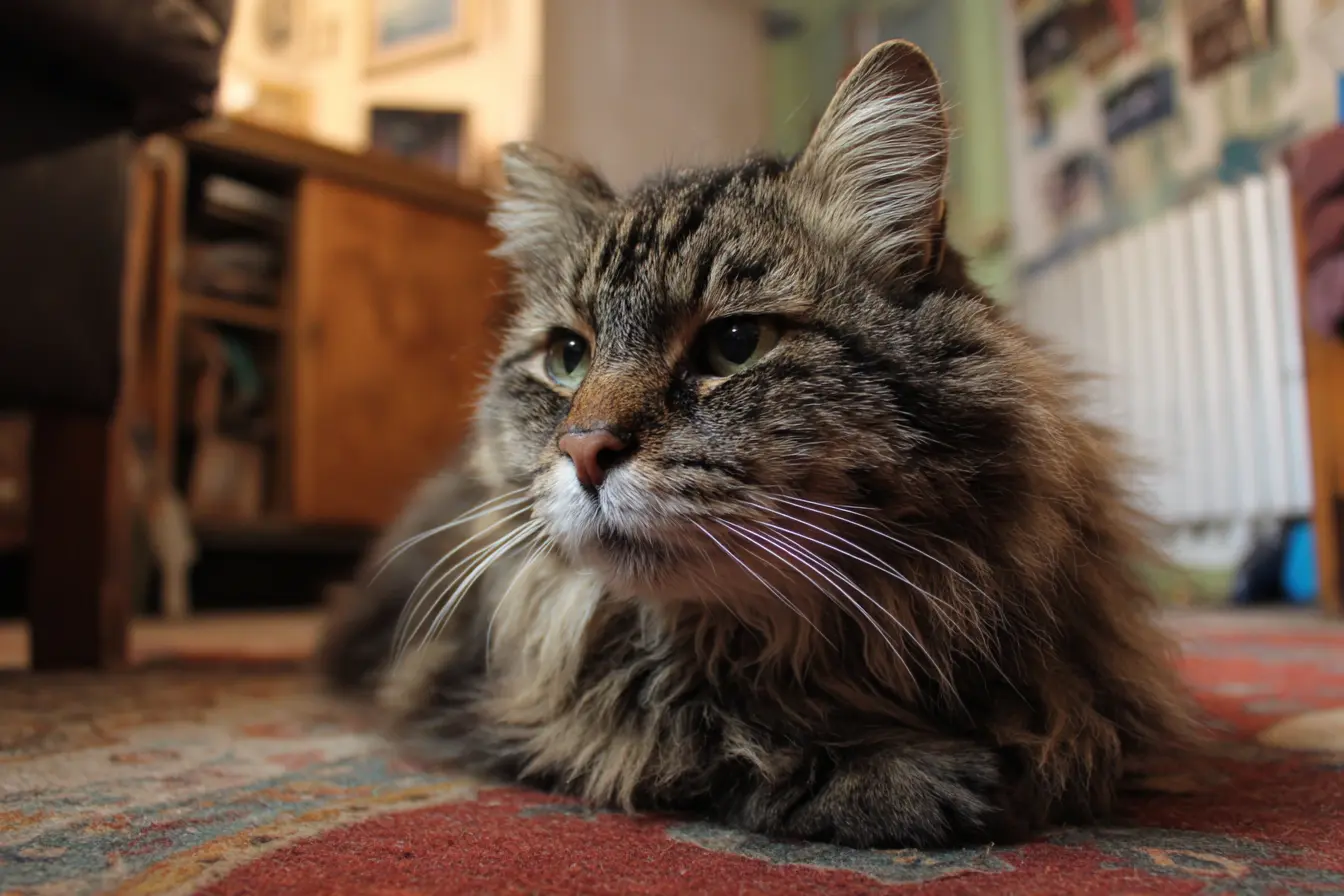
As cats grow older, their needs begin to change. What once suited an energetic young cat may no longer be appropriate for a senior companion. Ageing is a natural process and, with the right care, older cats can continue to live comfortable, happy and fulfilling lives.
Understanding how to support your cat through their later years is key to maintaining their health and wellbeing.
When Is a Cat Considered Elderly?
Cats are generally considered senior from around seven years of age, with many entering the “elderly” stage at around eleven years and beyond.
As they age, you may begin to notice gradual changes in:
Energy levels
Mobility
Appetite
Behaviour
These changes are often subtle at first but become more noticeable over time.
Common Signs of Ageing
Ageing affects each cat differently, but there are common signs to look out for.
These include:
Sleeping more than usual
Reduced activity or playfulness
Stiffness or difficulty jumping
Weight loss or gain
Changes in grooming habits
While some changes are normal, others may indicate underlying health issues.
Nutrition for Senior Cats
Diet plays a crucial role in supporting an ageing cat.
Older cats may require:
Easily digestible, high-quality food
Controlled calorie intake to maintain a healthy weight
Increased hydration
Special diets for specific health conditions
Some cats develop dental issues, which can make eating dry food difficult. In these cases, softer food may be more suitable.
Always consult your vet before making significant dietary changes.
Maintaining a Healthy Weight
Weight management becomes increasingly important as cats age.
Being overweight can place additional strain on joints, while being underweight may signal illness.
You should:
Monitor your cat’s weight regularly
Adjust portion sizes as needed
Encourage gentle activity
A healthy weight supports mobility and overall health.
Mobility and Joint Care
Arthritis and joint stiffness are common in older cats.
You may notice:
Reluctance to jump or climb
Stiff movements, especially after rest
Reduced grooming in hard-to-reach areas
To help support mobility:
Provide easy access to favourite spots
Use ramps or steps if needed
Offer soft, supportive bedding
Keep essentials like food and litter trays within easy reach
Your vet may recommend supplements or medication to manage discomfort.
Regular Veterinary Check-Ups
Routine vet visits become even more important as your cat ages.
Senior cats should typically have:
More frequent health checks
Blood and urine tests when recommended
Monitoring for age-related conditions
Early detection of issues such as kidney disease, diabetes or thyroid problems can significantly improve outcomes.
Grooming and Hygiene
Older cats may struggle to groom themselves as effectively.
You can help by:
Checking for mats or tangles
Keeping their bedding clean
Trimming claws if they become overgrown
Maintaining hygiene helps prevent discomfort and skin issues.
Dental Care
Dental problems are common in elderly cats and can affect their ability to eat.
Watch for:
Bad breath
Difficulty eating
Drooling
Pawing at the mouth
Regular dental checks and appropriate care can help prevent pain and infection.
Changes in Behaviour
Behavioural changes can occur as cats age.
You may notice:
Increased vocalisation
Confusion or disorientation
Changes in sleep patterns
Reduced interaction
Some of these changes may be linked to cognitive decline or medical conditions, so it is important to monitor them closely.
Litter Tray Adjustments
Mobility issues can make accessing the litter tray more difficult.
To support your cat:
Use trays with low sides
Place trays in easily accessible locations
Keep them clean and consistent
Accidents may occur if a cat struggles to reach or enter the tray.
Providing Comfort and Security
Older cats often seek warmth and comfort.
You can improve their environment by:
Providing soft, warm bedding
Keeping their resting areas quiet and undisturbed
Maintaining a consistent routine
A calm, predictable environment helps reduce stress.
Monitoring for Pain or Illness
Cats are skilled at hiding discomfort, so it is important to watch for subtle signs.
These may include:
Changes in posture
Reduced appetite
Withdrawal or irritability
Altered grooming habits
If you notice any unusual changes, consult your vet promptly.
Emotional Support and Bonding
As your cat ages, your relationship may deepen in new ways.
Spending quality time together through:
Gentle interaction
Quiet companionship
Soft grooming sessions
can provide reassurance and strengthen your bond.
Respect your cat’s need for rest while still offering affection and attention.
End-of-Life Considerations
Although difficult to think about, planning for end-of-life care is part of responsible ownership.
Focus on:
Maintaining quality of life
Managing pain effectively
Making compassionate decisions when needed
Your vet can guide you through this stage with sensitivity and support.
Conclusion
Caring for an ageing or elderly cat requires patience, awareness and adaptability. By adjusting their environment, diet and routine, and by staying attentive to changes in health and behaviour, you can help ensure their later years are comfortable and fulfilling.
With the right care and support, senior cats can continue to bring companionship and joy, enriching your life just as much as they always have.
Quick questions
- What should I know about elderly cat?
- Senior cat care: simple tips for caring for elderly cats and ageing cats. Watch for lower energy, stiff joints, changes in appetite or behaviour. Vet Verified can help you compare UK veterinary practices by location, species, services and opening hours before you call.
- When should I contact a vet about elderly cat?
- Contact a veterinary practice if your pet seems unwell, symptoms are getting worse, you are unsure what to do, or the situation may be urgent. Vet Verified helps you compare practice details, but a vet should advise on your pet's current care.
- Can Vet Verified help me find cat vets?
- Yes. Use Vet Verified to compare cat vets across the UK, then check practice profiles and call directly to confirm current availability.
Find a vet
Find a veterinary practice
Compare UK veterinary practices related to this topic. Call the practice to confirm its current services and availability.