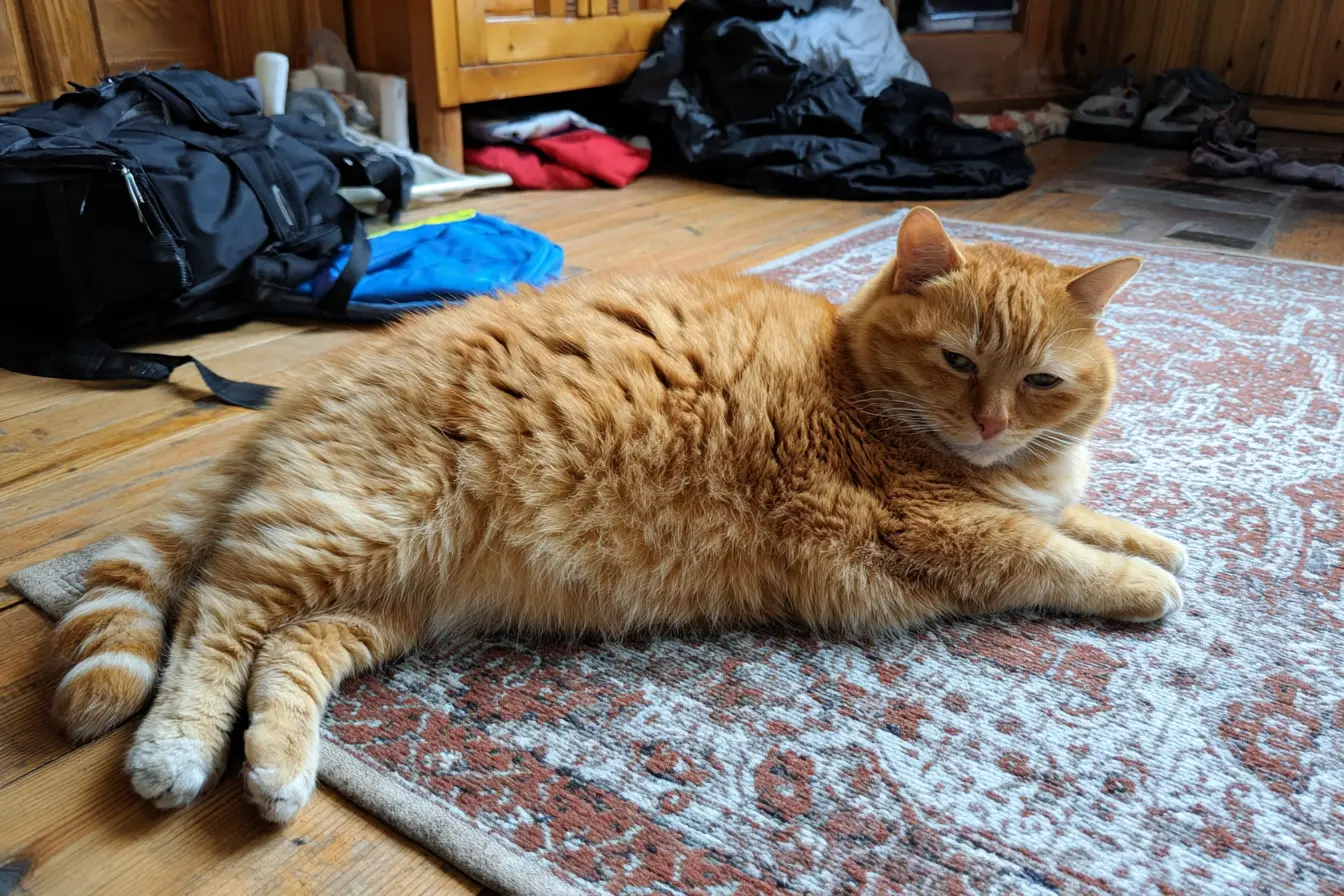
Obesity is one of the most common health issues affecting domestic cats, particularly those living indoors. While a slightly “chubby” cat may seem harmless or even endearing, excess weight can have serious consequences for a cat’s health and quality of life.
Understanding the causes, recognising the signs and taking steps to manage your cat’s weight are essential parts of responsible ownership.
What Is Obesity in Cats?
A cat is considered overweight when they carry excess body fat, and obese when that excess begins to negatively impact their health.
Unlike natural variations in size or build, obesity is typically the result of an imbalance between calorie intake and energy expenditure.
Over time, even small amounts of excess food can lead to significant weight gain.
Causes of Obesity
Obesity in cats rarely has a single cause. It is usually the result of a combination of factors.
Common causes include:
Overfeeding or large portion sizes
Frequent treats or high-calorie snacks
Lack of physical activity
Indoor lifestyle with limited stimulation
Neutering, which can reduce energy needs
Age-related changes in metabolism
In some cases, underlying medical conditions may also contribute, although this is less common.
Why Obesity Is a Problem
Excess weight places strain on nearly every part of a cat’s body.
Health risks associated with obesity include:
Heart and respiratory issues
Liver disease
Reduced mobility
Shortened lifespan
Obesity can also make grooming more difficult, leading to poor coat condition and skin issues.
Signs Your Cat May Be Overweight
Weight gain can happen gradually, so it is important to monitor your cat’s body condition regularly.
Signs to look for include:
Difficulty feeling ribs under a layer of fat
Loss of a visible waist when viewed from above
A rounded or sagging abdomen
Reduced activity or reluctance to move
Difficulty grooming certain areas
If you are unsure, your vet can assess your cat’s body condition score.
The Impact on Behaviour and Quality of Life
Obesity does not just affect physical health. It can also influence behaviour and overall wellbeing.
You may notice:
Less interest in play
Increased sleeping
Irritability or discomfort when handled
Reduced ability to jump or climb
Over time, these changes can significantly reduce your cat’s quality of life.
Helping Your Cat Lose Weight Safely
Weight loss in cats should always be gradual and carefully managed. Rapid weight loss can be dangerous and may lead to serious complications.
Adjusting Diet
The first step is reviewing your cat’s diet.
You should:
Switch to a vet-recommended weight management food if needed
Reduce or eliminate high-calorie treats
Avoid feeding table scraps
Consistency is key to maintaining a calorie deficit.
Increasing Physical Activity
Encouraging movement helps burn calories and improve overall health.
You can:
Introduce interactive toys
Schedule daily play sessions
Create opportunities for climbing and exploration
Even small increases in activity can make a difference over time.
Establishing a Feeding Routine
Free-feeding can contribute to overeating.
Instead:
Feed at set times each day
Divide daily food into smaller meals
Monitor intake closely
Routine helps regulate appetite and prevents excessive consumption.
Monitoring Progress
Tracking your cat’s weight is essential during a weight loss programme.
You should:
Weigh your cat regularly
Observe changes in body shape
Adjust feeding as needed
Your vet can help set realistic targets and monitor progress safely.
The Role of Veterinary Support
Before starting any weight loss plan, it is important to consult your vet.
They can:
Rule out underlying medical conditions
Recommend appropriate diet and portion sizes
Provide guidance on safe weight loss rates
Monitor your cat’s overall health
Professional support ensures the process is safe and effective.
Preventing Obesity
Prevention is always easier than treatment.
To maintain a healthy weight:
Feed a balanced, appropriate diet
Avoid overfeeding and excessive treats
Encourage regular play and activity
Monitor weight and body condition regularly
Establishing good habits early can help prevent problems later in life.
Special Considerations for Indoor Cats
Indoor cats are particularly prone to weight gain due to reduced activity levels.
To support them:
Provide environmental enrichment
Rotate toys to maintain interest
Encourage natural behaviours like hunting through play
Create vertical spaces for climbing
Keeping indoor cats mentally and physically stimulated is essential.
Conclusion
Obesity in cats is a serious but preventable condition. While it can develop gradually, its impact on health and wellbeing can be significant.
By understanding the causes, recognising the signs and taking proactive steps to manage diet and activity, you can help your cat achieve and maintain a healthy weight.
With patience, consistency and the right support, weight management can greatly improve your cat’s quality of life and longevity.
Quick questions
- What should I know about obesity?
- Cat obesity is common, especially in indoor cats. It happens when cats eat more calories than they burn. Common causes of cat obesity are overfeeding, too many treats, lack of play, neutering and age. Vet Verified can help you compare UK veterinary practices by location, species, services and opening hours before you call.
- When should I contact a vet about obesity?
- Contact a veterinary practice if your pet seems unwell, symptoms are getting worse, you are unsure what to do, or the situation may be urgent. Vet Verified helps you compare practice details, but a vet should advise on your pet's current care.
- Can Vet Verified help me find cat vets?
- Yes. Use Vet Verified to compare cat vets across the UK, then check practice profiles and call directly to confirm current availability.
Find a vet
Find a veterinary practice
Compare UK veterinary practices related to this topic. Call the practice to confirm its current services and availability.