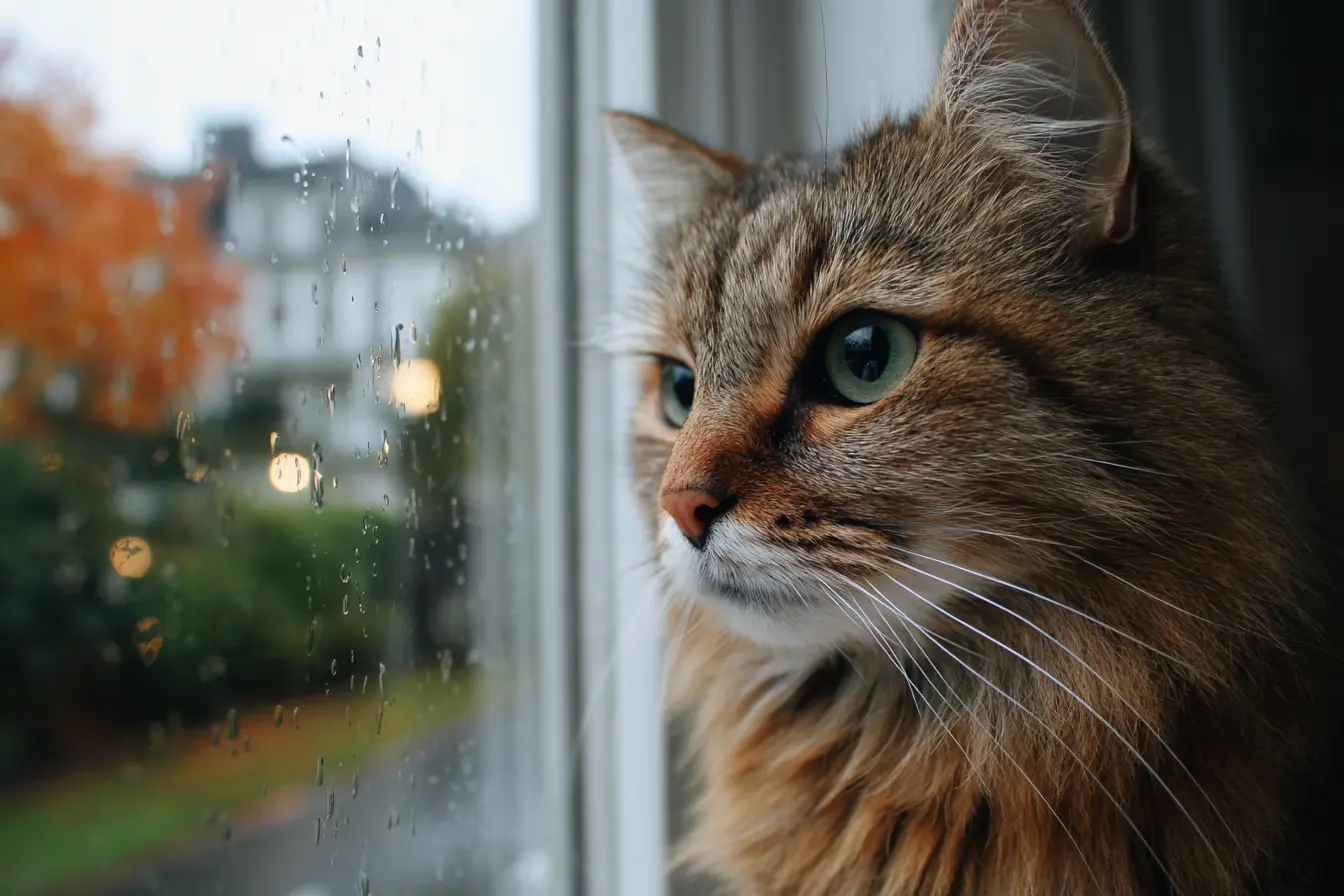
Planning a holiday is exciting, but if you have a cat, it also comes with an important responsibility. Cats are creatures of habit, and changes to their routine or environment can cause stress if not managed carefully.
Deciding how to care for your cat while you are away requires thoughtful planning to ensure they remain safe, comfortable and well looked after.
Understand Your Cat’s Needs
Every cat is different, and the best option depends on their personality, age and health.
Consider:
Whether your cat is confident or anxious
How they react to new environments
Any medical conditions or special care needs
Their attachment to routine and territory
Cats that are highly territorial or nervous often cope better staying at home, while more adaptable cats may tolerate boarding.
Option 1: Boarding Cattery
A boarding cattery is a dedicated facility where your cat stays while you are away.
This option provides:
Regular feeding and cleaning
Supervision by trained staff
Secure accommodation
Monitoring for health issues
However, boarding introduces your cat to a new environment with unfamiliar sights, sounds and smells, which can be stressful for some cats.
Option 2: Home Visits
A pet sitter can visit your home once or twice a day to care for your cat.
During visits, they will:
Feed your cat
Refresh water
Clean the litter tray
Provide play and interaction
This allows your cat to remain in their familiar environment, which is often less stressful.
Option 3: Live-In Pet Sitter
A live-in sitter stays in your home while you are away.
This offers:
Constant companionship
Maintenance of your cat’s normal routine
Increased home security
This option is particularly beneficial for cats that need regular attention or do not cope well alone.
Option 4: Trusted Friends or Family
Some owners prefer to ask someone they know to care for their cat.
This can involve:
The cat staying in their home
Or someone visiting your home regularly
While this can be a more personal option, it relies on the availability and reliability of the person helping.
Preparing Your Cat Before You Leave
Preparation is key to reducing stress and ensuring everything runs smoothly.
You should:
Ensure vaccinations are up to date if boarding
Arrange flea and worm treatments
Provide enough food for the duration
Leave clear written care instructions
Being organised helps prevent problems while you are away.
Create a Comfortable Environment
If your cat is staying at home, make sure their environment is safe and enriching.
This includes:
Clean litter trays
Fresh water sources
Access to favourite sleeping spots
Toys and enrichment activities
Leaving familiar items with your scent can also provide comfort.
Maintain Routine as Much as Possible
Cats thrive on consistency. Sudden changes can lead to stress or behavioural issues.
Try to ensure:
Feeding times remain consistent
Daily routines are followed
Interaction levels are similar to normal
The more familiar things feel, the more relaxed your cat is likely to be.
Provide Emergency Information
Always prepare for unexpected situations.
Leave:
Your contact details
An emergency contact person
Your vet’s information
Written permission for emergency treatment if needed
This ensures your cat can receive prompt care if necessary.
Keep Goodbyes Calm
Cats are sensitive to your emotions. A stressful or emotional departure can make them anxious.
On the day you leave:
Stay calm and relaxed
Avoid long or dramatic goodbyes
Follow your usual routine as closely as possible
A calm exit helps your cat feel more secure.
Returning Home
When you return, your cat may react in different ways.
You might notice:
Increased affection
Temporary withdrawal
Changes in appetite or behaviour
Give them time to readjust and return to their normal routine.
Conclusion
There is no one-size-fits-all solution for caring for your cat during a holiday. The best option depends on your cat’s personality, health and comfort with change.
Whether you choose a boarding cattery, home visits, a live-in sitter or help from friends or family, careful preparation is essential. By maintaining routine, providing clear instructions and considering your cat’s emotional needs, you can ensure they remain safe and content while you are away.
A well-planned approach allows you to enjoy your holiday with peace of mind, knowing your cat is in good hands.
Quick questions
- What should I know about holiday?
- A simple, SEO friendly guide to cat care while on holiday. Choose the right option for your cat: boarding cattery, home visits, a live-in pet sitter or help from friends and family. Vet Verified can help you compare UK veterinary practices by location, species, services and opening hours before you call.
- When should I contact a vet about holiday?
- Contact a veterinary practice if your pet seems unwell, symptoms are getting worse, you are unsure what to do, or the situation may be urgent. Vet Verified helps you compare practice details, but a vet should advise on your pet's current care.
- Can Vet Verified help me find cat vets?
- Yes. Use Vet Verified to compare cat vets across the UK, then check practice profiles and call directly to confirm current availability.
Find a vet
Find a veterinary practice
Compare UK veterinary practices related to this topic. Call the practice to confirm its current services and availability.