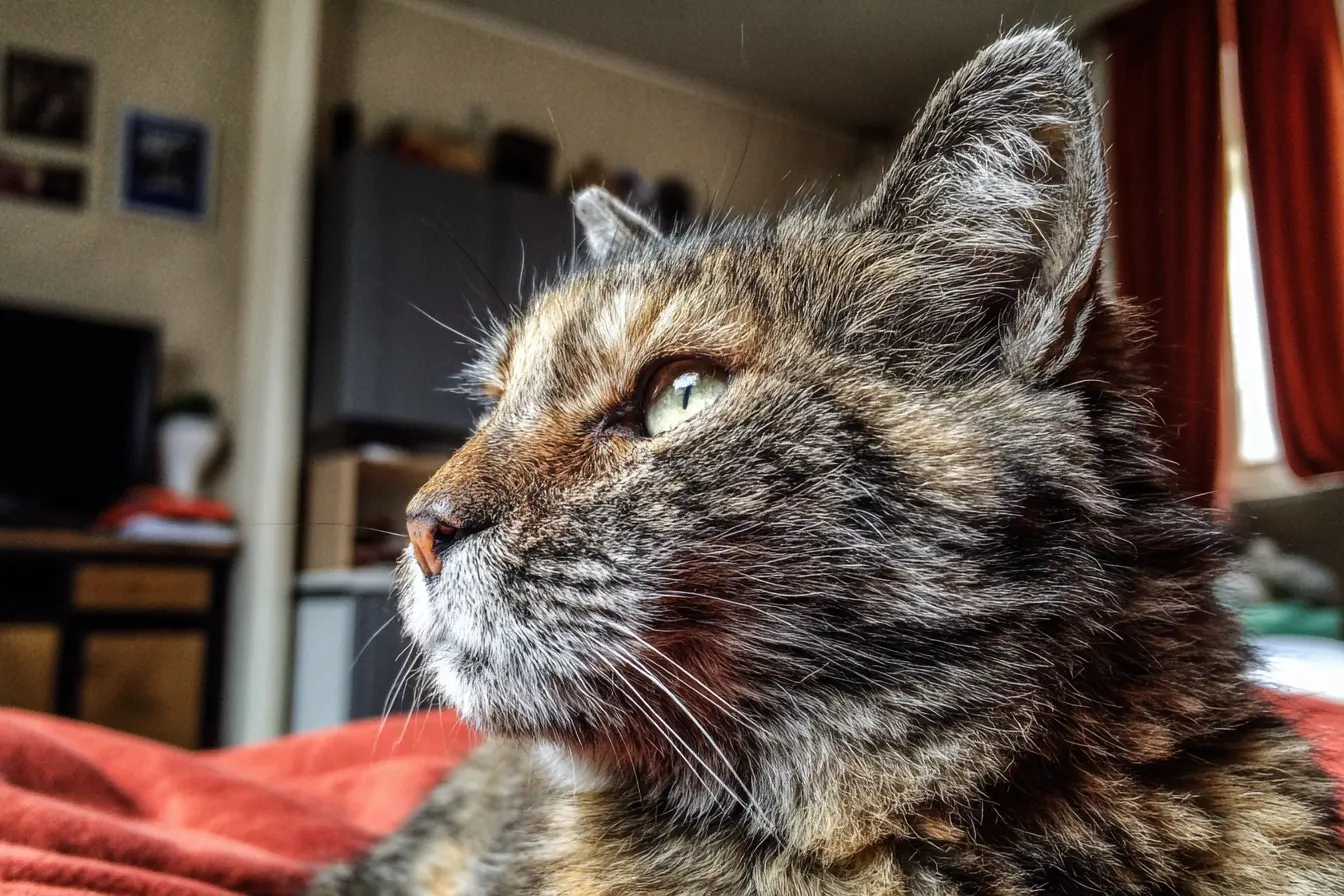
As cats age, changes in their physical health are often expected. However, mental changes can also occur. Cognitive decline, sometimes referred to as feline cognitive dysfunction, is a condition that affects a cat’s brain function as they grow older.
Although it can be distressing to witness, understanding the signs and knowing how to respond can help you support your cat and maintain their quality of life.
What Is Cognitive Decline in Cats?
Cognitive decline is a gradual deterioration in brain function that affects memory, awareness and behaviour.
It is similar in many ways to dementia in humans and is most commonly seen in senior and elderly cats. The condition develops over time and may initially present as subtle behavioural changes.
Common Signs of Cognitive Decline
The signs can vary between cats, but there are several common indicators to watch for.
These include:
Disorientation or confusion
Getting lost in familiar places
Staring at walls or into space
Changes in sleep patterns
Increased vocalisation, especially at night
Reduced interaction with people or other pets
Forgetting learned behaviours, such as litter tray use
These changes may develop gradually, making them easy to overlook at first.
Disorientation and Confusion
One of the hallmark signs of cognitive decline is disorientation.
You may notice your cat:
Wandering aimlessly
Appearing unsure of their surroundings
Becoming trapped in corners or behind furniture
Hesitating in familiar areas
This can be particularly noticeable at night or in low-light conditions.
Changes in Sleep Patterns
Cats with cognitive decline often experience disrupted sleep cycles.
This may involve:
Sleeping more during the day
Restlessness at night
Waking and vocalising during the early hours
These changes can be challenging for both the cat and the owner.
Increased Vocalisation
Excessive or unusual vocalisation is a common symptom.
This can include:
Loud meowing without clear reason
Vocalising at night
Sounds that seem linked to confusion or distress
It is often associated with disorientation or anxiety.
Changes in Social Behaviour
Cognitive decline can affect how a cat interacts with people and other animals.
You may notice:
Reduced interest in attention or play
Increased clinginess or dependence
Withdrawal or hiding
Occasional irritability
These shifts can reflect changes in awareness and emotional processing.
Litter Tray Issues
A previously well-trained cat may begin to have accidents.
This can happen due to:
Forgetting the location of the litter tray
Difficulty recognising the need to go
Reduced mobility combined with confusion
It is important to rule out medical causes before attributing this solely to cognitive decline.
Possible Causes and Contributing Factors
The exact cause of cognitive decline is not fully understood, but it is linked to ageing and changes within the brain.
Factors may include:
Degeneration of brain cells
Reduced blood flow to the brain
Accumulation of abnormal proteins
Oxidative stress
These changes can interfere with normal brain function over time.
Diagnosing Cognitive Decline
There is no single test for cognitive decline in cats. Diagnosis is usually based on:
Behavioural history
Physical examination
Ruling out other medical conditions
Conditions such as thyroid disease, kidney disease or pain can cause similar symptoms, so a thorough veterinary assessment is essential.
How to Support a Cat With Cognitive Decline
While cognitive decline cannot be reversed, there are ways to manage the condition and improve your cat’s comfort.
Maintain a Consistent Routine
Consistency helps reduce confusion and anxiety.
Try to:
Feed at the same times each day
Keep sleeping and resting areas unchanged
Avoid unnecessary changes to the environment
Predictability can provide reassurance.
Make the Home Easier to Navigate
Simple adjustments can help your cat move around more confidently.
Consider:
Keeping furniture in familiar positions
Providing easy access to key areas
Using night lights to improve visibility
Placing multiple litter trays around the home
Reducing obstacles can minimise stress.
Provide Mental Stimulation
Gentle mental engagement can help support brain function.
This may include:
Interactive toys
Short, calm play sessions
Food puzzles suited to older cats
Activities should be adapted to your cat’s energy levels and abilities.
Support Physical Health
Physical wellbeing and cognitive health are closely linked.
Ensure your cat:
Receives regular veterinary care
Maintains a healthy weight
Eats a balanced, appropriate diet
Some diets and supplements are designed to support brain health, but these should only be used under veterinary guidance.
Manage Night-Time Behaviour
Night-time restlessness is a common challenge.
You can help by:
Encouraging activity during the day
Providing a comfortable sleeping area
Keeping a calm and quiet environment at night
In some cases, your vet may suggest additional support.
Offer Reassurance and Comfort
Cats experiencing cognitive decline may feel anxious or unsettled.
You can support them by:
Speaking in a calm, familiar voice
Offering gentle physical contact
Being patient with behavioural changes
Emotional support plays an important role in their wellbeing.
When to Seek Veterinary Advice
If you notice behavioural changes, it is important to consult your vet.
Seek advice if your cat shows:
Sudden or severe disorientation
Frequent accidents outside the litter tray
Significant changes in appetite or behaviour
Signs of distress or discomfort
Early assessment helps rule out other conditions and allows for appropriate management.
Quality of Life Considerations
As cognitive decline progresses, it is important to focus on your cat’s quality of life.
This includes:
Comfort and pain management
Ability to eat, drink and rest comfortably
Level of stress or anxiety
Regular discussions with your vet can help guide decisions as your cat’s needs change.
Conclusion
Cognitive decline in cats is a challenging but manageable part of ageing. By recognising the signs early and making thoughtful adjustments, you can help your cat remain comfortable and secure.
Patience, consistency and compassionate care are key. While the condition may change your cat’s behaviour, your support can make a meaningful difference in their daily life and overall wellbeing.
Quick questions
- What should I know about cognitive decline?
- Cognitive decline in cats, often called feline cognitive dysfunction, is a brain condition seen in ageing cats. Vet Verified can help you compare UK veterinary practices by location, species, services and opening hours before you call.
- When should I contact a vet about cognitive decline?
- Contact a veterinary practice if your pet seems unwell, symptoms are getting worse, you are unsure what to do, or the situation may be urgent. Vet Verified helps you compare practice details, but a vet should advise on your pet's current care.
- Can Vet Verified help me find cat vets?
- Yes. Use Vet Verified to compare cat vets across the UK, then check practice profiles and call directly to confirm current availability.
Find a vet
Find a veterinary practice
Compare UK veterinary practices related to this topic. Call the practice to confirm its current services and availability.