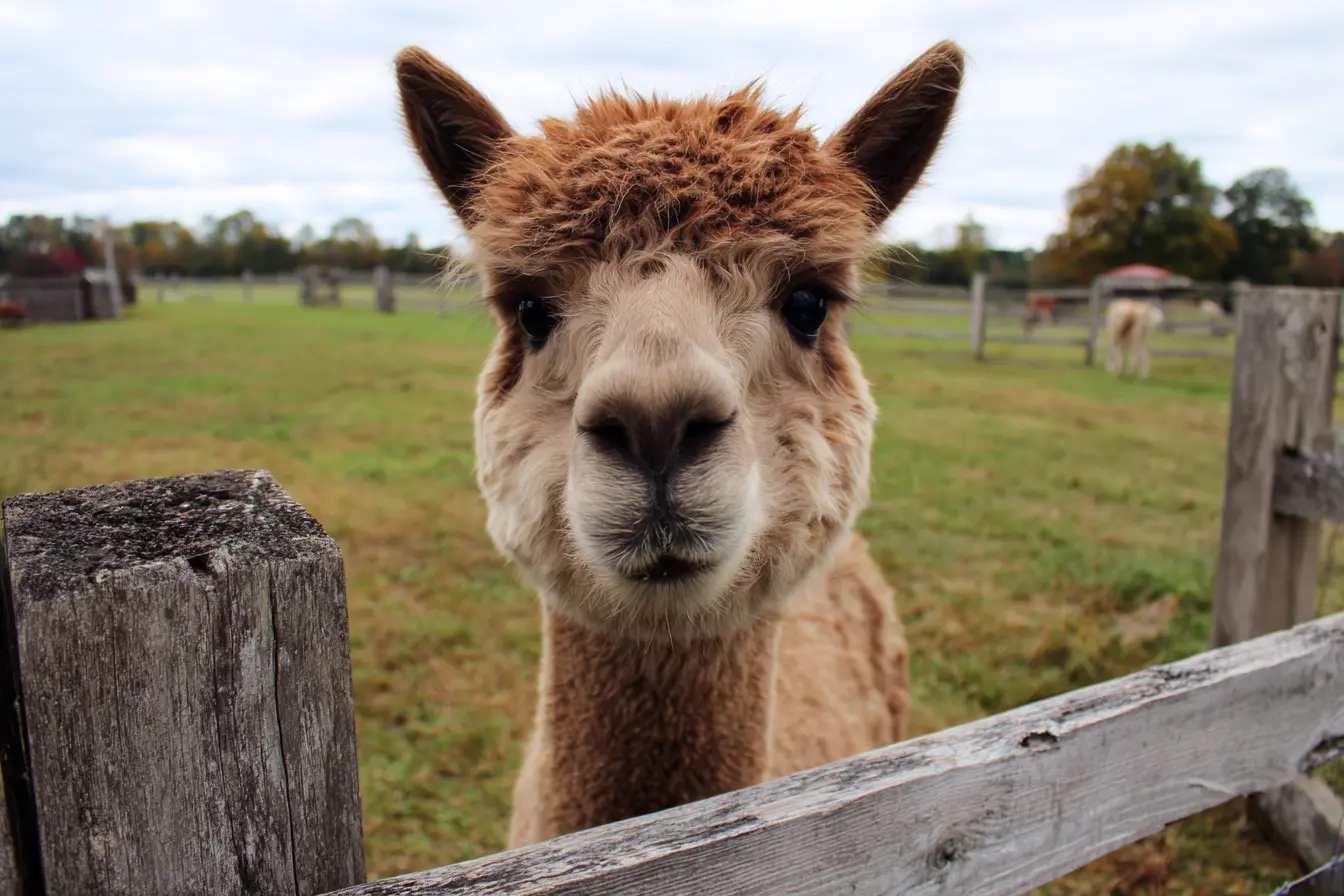
Shearing is one of the most important aspects of alpaca husbandry and is essential for maintaining the health, welfare, and productivity of the animal. Unlike some livestock species, alpacas do not naturally shed their fleece, meaning their fibre continues to grow year after year. Without regular shearing, alpacas can suffer from overheating, reduced mobility, skin problems, and poor overall condition.
Whether you keep alpacas for fibre production, breeding, conservation grazing, or as companion animals, understanding the shearing process is vital. This guide provides a detailed overview of alpaca shearing, including why it is necessary, when to shear, preparation, equipment, handling, aftercare, and fleece management.
Why Alpacas Need Shearing
Alpacas have been selectively bred for thousands of years to produce high-quality fibre. As a result, they rely entirely on human management to maintain their fleece.
Regular shearing provides several important benefits:
Prevents Overheating: Thick fleece can cause heat stress during warmer months.
Improves Welfare: Removes excess weight and improves comfort and mobility.
Supports Fibre Quality: Annual shearing produces the best fibre length and consistency.
Improves Hygiene: Reduces contamination from dirt, vegetation, and manure.
Allows Health Checks: Makes it easier to inspect skin condition and body condition.
Reduces Parasite Risks: Helps identify and manage external parasites.
When to Shear Alpacas
Timing is one of the most important considerations when planning alpaca shearing.
Ideal Shearing Season
Most alpacas in the UK are sheared once per year, typically during late spring or early summer.
May to June: Most common shearing period.
Avoid Winter: Insufficient fleece protection during cold weather.
Avoid Late Summer: Risk of excessive fibre length and overheating during warmer months.
The ideal timing balances protection from cold weather with the need to prevent heat stress during summer.
Weather Considerations
Choose a period with favourable weather conditions.
Dry weather is preferable.
Avoid shearing immediately before heavy rain or cold spells.
Newly shorn alpacas may require shelter during adverse weather.
Preparing Alpacas for Shearing
Good preparation helps ensure a safe and efficient shearing day.
Fasting
Many professional shearers recommend reducing feed intake before shearing.
Remove access to hay and concentrates approximately 8–12 hours beforehand.
Water should remain available.
This helps improve comfort when animals are restrained during shearing.
Always follow the advice of your veterinarian and professional shearer.
Handling and Training
Regular handling throughout the year makes shearing less stressful.
Accustom alpacas to being caught and restrained.
Practice leading and basic handling routines.
Calm animals are easier and safer to shear.
Health Checks
Before shearing, inspect animals for:
Injuries
Skin conditions
Pregnancy status
Signs of illness or weakness
Animals with health concerns may require special handling arrangements.
Equipment Used for Alpaca Shearing
Professional alpaca shearers use specialised equipment designed for efficient fibre removal.
Shearing Equipment
Common equipment includes:
Electric shearing machines
Shearing combs and cutters
Restraining ropes or handling systems
Fleece collection bags
Fibre sorting tables
Safety Equipment
Safety is important for both alpacas and handlers.
Protective footwear
Gloves when necessary
First aid supplies
Clean, well-maintained equipment
Sharp, properly maintained blades help ensure a smooth cut and minimise discomfort.
The Alpaca Shearing Process
Professional shearing is typically completed quickly and efficiently.
Catching and Restraining
Alpacas are usually restrained to ensure safety.
Methods may include:
Traditional rope restraint systems
Purpose-built alpaca restraint tables
Specialised shearing mats
The goal is to minimise stress while allowing safe access to the fleece.
Removing the Main Fleece
The highest-quality fibre comes from the blanket area covering the back and sides.
The blanket fleece is removed in large sections.
Care is taken to preserve fibre length.
Clean fleece is separated from lower-grade fibre.
Secondary Fibre Removal
Fibre from other areas is usually removed separately.
These areas include:
Neck
Legs
Belly
Chest
Secondary fibre is often used for products requiring less refined fibre.
Nail and Dental Checks
Many owners combine shearing with routine maintenance.
Common tasks include:
Health inspections
Vaccinations if required
This provides an excellent opportunity for annual health assessments.
Caring for Alpacas After Shearing
Post-shearing management is important to protect newly shorn animals.
Shelter
Recently shorn alpacas have reduced protection from weather.
Provide:
Barn access
Windbreaks
Dry resting areas
Particular attention should be paid during wet or cold conditions.
Monitoring
Observe alpacas closely for several days after shearing.
Check for:
Cuts or abrasions
Signs of stress
Changes in behaviour
Weather-related discomfort
Most alpacas adjust quickly and often appear noticeably more active and comfortable.
Sun Protection
Although uncommon in the UK, newly exposed skin can be vulnerable to strong sunlight.
Animals with light skin pigmentation may require additional monitoring during periods of intense sunshine.
Alpaca Fleece Management
Proper fleece handling helps maximise fibre value.
Skirting the Fleece
After shearing, fleece is sorted and cleaned.
Remove:
Vegetation
Dirt
Short fibres
Contaminated sections
This process improves fibre quality and marketability.
Fibre Grading
Fleece is commonly graded according to:
Fibre diameter
Length
Uniformity
Colour
Cleanliness
Higher-grade fleece typically commands premium prices.
Storage
Store fleece correctly to maintain quality.
Keep dry and well ventilated.
Use breathable bags.
Avoid plastic bags that trap moisture.
Protect from rodents and insects.
Proper storage preserves fibre until processing or sale.
Common Shearing Challenges
Even experienced owners occasionally encounter difficulties.
Nervous Alpacas
Some alpacas become anxious during restraint.
Solutions include:
Regular handling throughout the year
Experienced shearers
Calm working environments
Minimising noise and distractions
Weather Problems
Unexpected cold or wet weather can create welfare concerns.
Always have access to suitable shelter before shearing begins.
Fibre Contamination
Vegetation and debris reduce fleece value.
Good pasture management and suitable feeding systems help maintain clean fleece throughout the year.
Choosing a Professional Alpaca Shearer
Many owners choose to hire experienced alpaca shearers.
When selecting a shearer, look for:
Alpaca-specific experience
Appropriate insurance
Positive recommendations
Good animal welfare practices
Efficient fleece handling procedures
Experienced professionals can often shear large numbers of alpacas quickly while maintaining high welfare standards.
Why Annual Shearing Is Essential
Annual shearing is one of the most important responsibilities of alpaca ownership.
Benefits include:
Improved Welfare: Prevents overheating and discomfort.
Better Health Monitoring: Facilitates thorough physical examinations.
Higher Fibre Quality: Produces valuable, consistent fleece.
Improved Hygiene: Reduces dirt accumulation and skin problems.
Enhanced Mobility: Removes excess fleece weight.
Increased Comfort: Helps alpacas remain comfortable during warmer months.
Conclusion
Shearing is a fundamental part of responsible alpaca management and plays a critical role in maintaining animal welfare, fibre quality, and overall health. While the process may seem daunting to new owners, proper preparation, skilled handling, and appropriate aftercare ensure a safe and stress-free experience for both alpacas and handlers.
By shearing annually, providing suitable shelter afterwards, and managing fleece carefully, owners can maximise fibre quality while ensuring their alpacas remain healthy, comfortable, and productive throughout the year. Whether you keep a single alpaca or manage a larger herd, a well-organised shearing programme is one of the most valuable investments you can make in your animals' long-term wellbeing.
Quick questions
- What should I know about alpaca shearing?
- This guide explains alpaca shearing and why it matters for health, welfare and quality fibre. Shearing alpacas is usually done once a year in late spring to early summer (May to June). Vet Verified can help you compare UK veterinary practices by location, species, services and opening hours before you call.
- When should I contact a vet about alpaca shearing?
- Contact a veterinary practice if your pet seems unwell, symptoms are getting worse, you are unsure what to do, or the situation may be urgent. Vet Verified helps you compare practice details, but a vet should advise on your pet's current care.
- Can Vet Verified help me find a vet?
- Yes. Use Vet Verified to compare UK veterinary practices by location, species, services and opening hours, then call directly to confirm current availability.
Find a vet
Find a veterinary practice
Compare UK veterinary practices related to this topic. Call the practice to confirm its current services and availability.
Find a vet