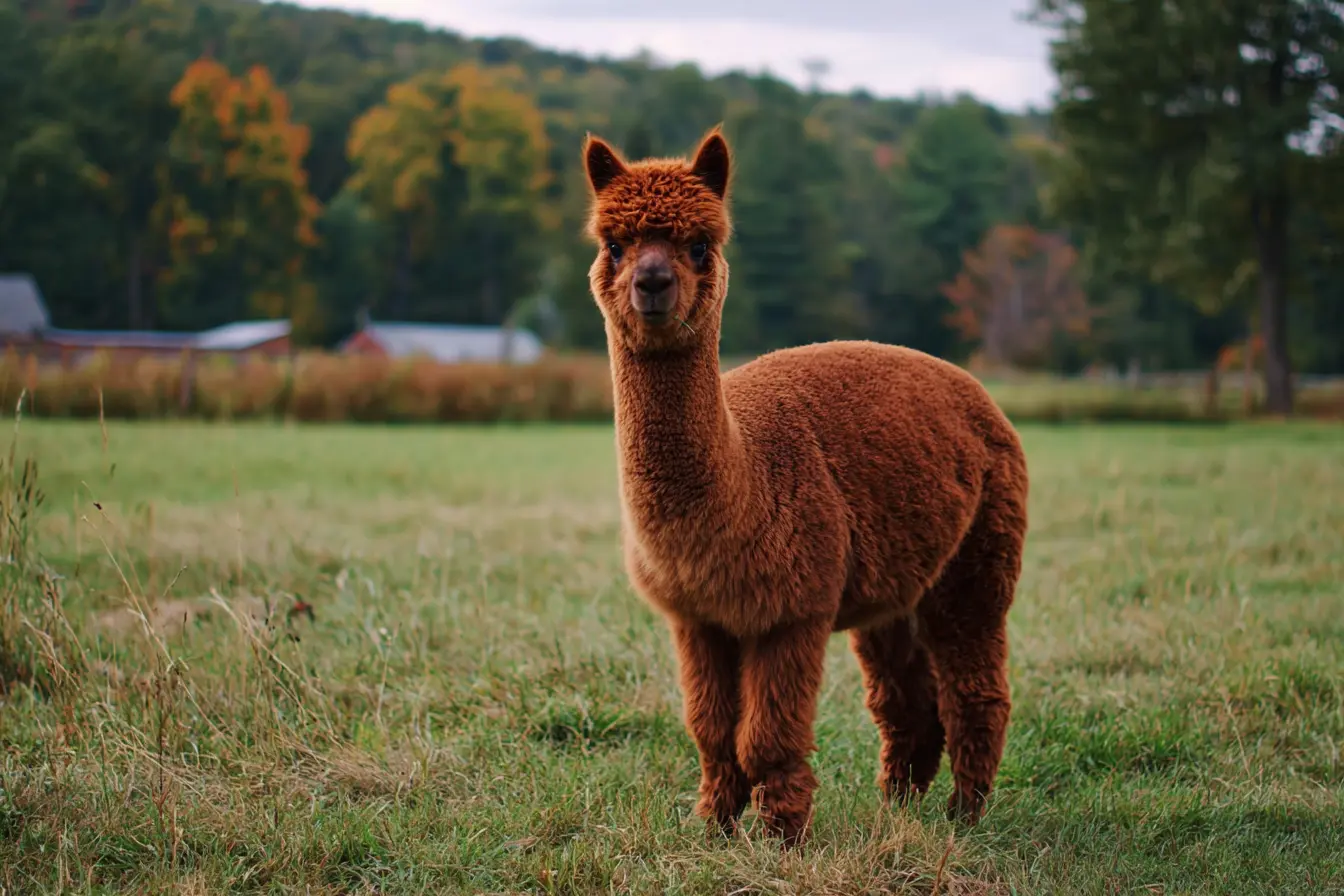
Tetanus, often referred to as "lockjaw", is a serious and often fatal disease that affects alpacas of all ages. It is caused by the bacterium Clostridium tetani, which produces a powerful toxin that attacks the nervous system. Once clinical signs develop, survival is uncommon despite intensive veterinary treatment.
Although tetanus is relatively uncommon, alpacas are highly susceptible to the disease. Even minor wounds can allow infection, making good husbandry, prompt wound care, and vaccination essential parts of alpaca health management. This guide explains what tetanus is, how it develops, the clinical signs to watch for, treatment options, and how to prevent this devastating disease.
What is Tetanus?
Tetanus is caused by Clostridium tetani, which:
Lives naturally in soil, manure, and the digestive tracts of many animals.
Produces hardy spores that can survive in the environment for many years.
Enters the body through wounds, punctures, or damaged tissue where oxygen levels are low.
Once inside the wound, the bacteria multiply and produce tetanospasmin, a potent neurotoxin. This toxin travels along nerves to the spinal cord and brain, where it blocks the normal signals that allow muscles to relax. The result is severe muscle stiffness, painful spasms, and progressive paralysis.
Causes and Risk Factors
Alpacas can develop tetanus following any injury that allows Clostridium tetani spores to enter the body.
Common risk factors include:
Castration: particularly if hygiene is poor or wounds become contaminated.
Shearing injuries: cuts sustained during shearing can provide an entry point for bacteria.
Foot injuries: puncture wounds, abscesses, or damage caused by stones, thorns, or sharp objects.
Bite wounds: injuries from other alpacas or predators.
Birthing injuries: trauma to the dam or cria during delivery.
Injection sites: although uncommon, contaminated equipment or poor injection technique can introduce bacteria.
Dental procedures or oral injuries: damage to the mouth can occasionally become infected.
Dirty environments: muddy paddocks, contaminated bedding, and heavily soiled housing increase exposure to bacterial spores.
Unvaccinated alpacas: animals without adequate vaccination have little protection against the toxin.
Because the spores are widespread in the environment, complete avoidance is impossible.
Symptoms of Tetanus
Clinical signs usually develop between 3 and 21 days after infection, although this can vary depending on the location and severity of the wound.
Early signs include:
Stiff or awkward gait.
Reluctance to move.
Difficulty eating.
Reduced jaw movement.
Increased sensitivity to sound, light, or touch.
As the disease progresses, alpacas may develop:
Generalised muscle stiffness.
Painful muscle spasms.
Ears held rigidly upright.
Tail carried stiffly.
Difficulty swallowing.
Protrusion of the third eyelid.
An extended neck and rigid posture.
Difficulty standing or lying down.
In the advanced stages:
Violent spasms may occur following noise or handling.
The animal may become unable to stand.
Breathing becomes increasingly difficult as the respiratory muscles are affected.
Death usually results from respiratory failure.
Diagnosis
There is no simple laboratory test that confirms tetanus in a live alpaca. Diagnosis is usually based on the animal's history and characteristic clinical signs.
Your veterinarian will consider:
Recent wounds, surgery, or shearing.
Vaccination history.
Characteristic muscle rigidity and spasms.
Evidence of an infected wound.
Other neurological or muscular conditions may need to be ruled out, including severe trauma, meningitis, toxicities, or metabolic disorders.
Treatment
Unfortunately, treatment is often unsuccessful once obvious neurological signs have developed. Early veterinary intervention offers the best chance of survival.
Treatment may include:
Tetanus antitoxin to neutralise circulating toxin before it binds to nerve tissue.
Antibiotics, typically penicillin or other appropriate drugs, to eliminate the bacteria.
Thorough cleaning and surgical management of the wound to remove infected tissue.
Sedatives or muscle relaxants to reduce painful spasms.
Pain relief to improve comfort.
Supportive nursing care, including fluids, nutritional support, and assistance with standing where appropriate.
Keeping the alpaca in a quiet, dark environment to minimise stimulation that could trigger muscle spasms.
Even with intensive veterinary care, the prognosis remains guarded to poor once clinical signs are well established.
Prevention
Vaccination
Vaccination is by far the most effective way to prevent tetanus in alpacas.
Although no vaccine is specifically licensed for alpacas in the UK, many veterinary surgeons recommend the use of clostridial vaccines under the prescribing Cascade.
Typical recommendations include:
A primary course of two vaccinations given several weeks apart.
Annual booster vaccinations thereafter.
Pregnant females may receive a booster before giving birth to maximise antibody levels passed to the cria through colostrum.
Vaccination schedules should always be discussed with your veterinary surgeon, as recommendations may vary depending on the product used and individual herd circumstances.
Tetanus Antitoxin
Tetanus antitoxin provides immediate but short-term protection.
It may be recommended:
Following castration or surgery in unvaccinated alpacas.
After severe wounds.
During emergency situations where vaccination alone would not provide protection quickly enough.
Unlike vaccination, antitoxin does not provide long-term immunity.
Good Wound Management
Prompt treatment of wounds greatly reduces the risk of tetanus.
Check alpacas regularly for cuts or puncture wounds.
Clean wounds thoroughly as soon as possible.
Seek veterinary advice for deep or contaminated injuries.
Use sterile needles and clean equipment for injections and procedures.
Monitor healing wounds closely for signs of infection.
Good Husbandry
Good management practices help reduce opportunities for infection.
Keep shelters and bedding clean and dry.
Remove sharp objects from paddocks.
Maintain fencing to reduce injury risk.
Practise good hygiene during husbandry procedures.
Minimise stress during handling and treatment.
Economic and Welfare Impact
Tetanus has significant welfare and financial consequences.
Animal welfare: The disease causes severe pain, distress, and muscle spasms before death.
Economic losses: Valuable breeding animals can be lost despite expensive veterinary treatment.
Treatment costs: Intensive nursing and veterinary care are often prolonged and costly.
Prevention is far more cost-effective: Routine vaccination and good wound management are inexpensive compared with treating clinical disease.
When to Seek Veterinary Help
Contact your veterinarian immediately if your alpaca:
Develops unexplained muscle stiffness.
Appears reluctant to walk or move.
Has difficulty chewing or swallowing.
Shows muscle spasms or unusual sensitivity to touch or sound.
Suffers a deep, contaminated, or puncture wound.
Requires advice following surgery or castration.
Prompt treatment before neurological signs develop offers the greatest chance of a successful outcome.
Conclusion
Tetanus is a devastating but largely preventable disease of alpacas. Caused by Clostridium tetani, it enters through wounds and produces toxins that attack the nervous system, resulting in progressive muscle rigidity, painful spasms, and, in most cases, death.
Because treatment is often unsuccessful once symptoms develop, prevention is essential. Routine vaccination, careful wound management, excellent hygiene, and prompt veterinary attention following injuries are the most effective ways to protect alpacas from this serious disease and safeguard both animal welfare and herd health
Quick questions
- What should I know about alpaca tetanus?
- Tetanus, or lockjaw, is a deadly disease of alpacas caused by the bacterium Clostridium tetani. The spores live in soil and manure and enter through wounds, even small cuts from shearing, castration or bites. Vet Verified can help you compare UK veterinary practices by location, species, services and opening hours before you call.
- When should I contact a vet about alpaca tetanus?
- Contact a veterinary practice if your pet seems unwell, symptoms are getting worse, you are unsure what to do, or the situation may be urgent. Vet Verified helps you compare practice details, but a vet should advise on your pet's current care.
- Can Vet Verified help me find emergency vets?
- Yes. Use Vet Verified to compare emergency vets across the UK, then check practice profiles and call directly to confirm current availability.
Find a vet
Find a veterinary practice
Compare UK veterinary practices related to this topic. Call the practice to confirm its current services and availability.