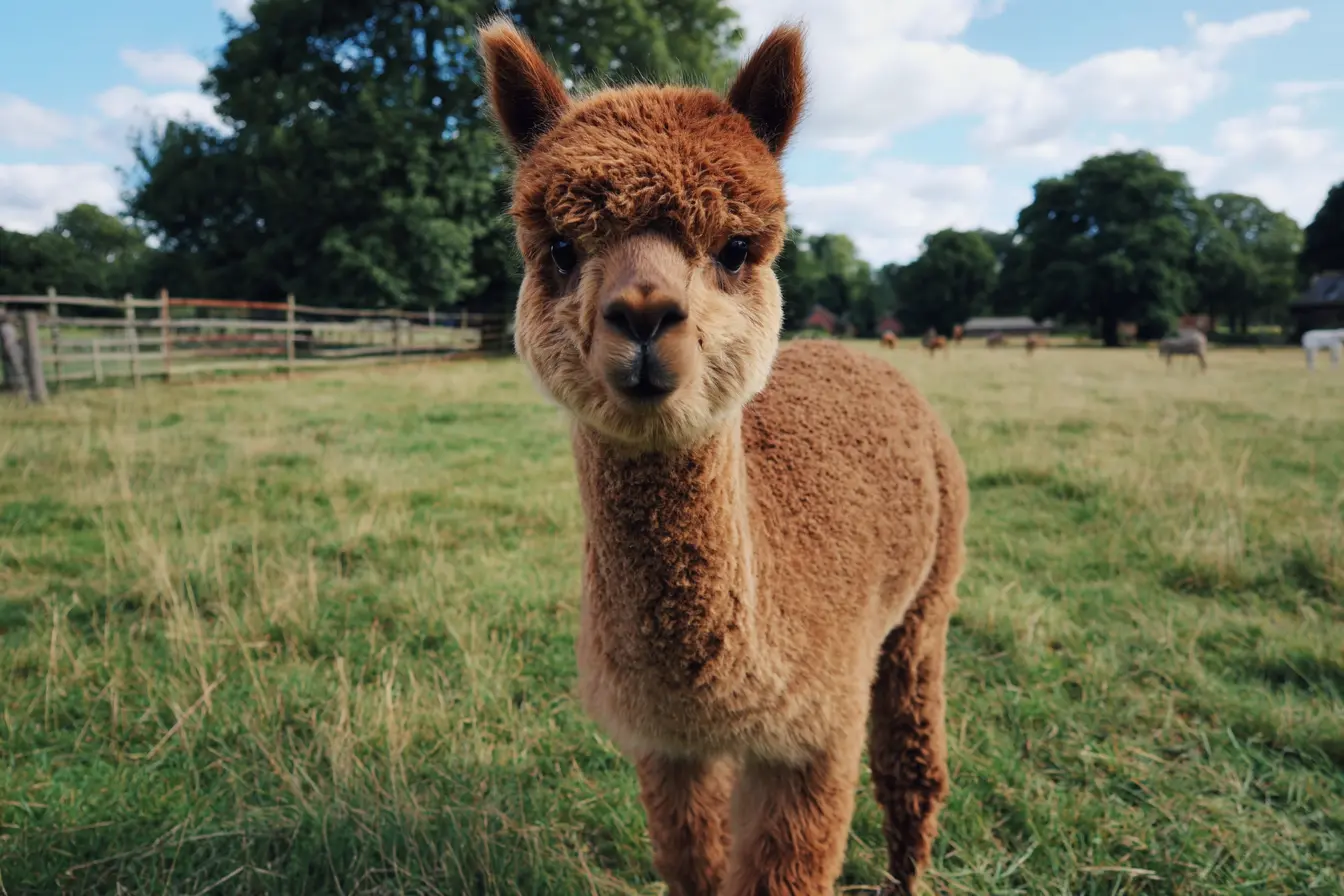
Vaccination is an important part of preventative health care for alpacas. While alpacas are generally hardy animals, they can be affected by serious infectious diseases, some of which progress rapidly and may be fatal. A well-planned vaccination programme helps protect individual animals, supports herd health, and reduces the risk of avoidable disease outbreaks.
Vaccination protocols for alpacas can vary depending on location, age, breeding status, disease risk, and veterinary advice. In the UK, many alpaca vaccination programmes focus on protection against clostridial diseases, with additional vaccines considered where specific risks exist.
This guide provides a detailed overview of vaccinating alpacas, including why vaccination matters, common diseases vaccines may help protect against, when vaccines are given, how vaccination fits into wider herd health planning, and what owners need to monitor after vaccination.
Why Vaccination Is Important in Alpacas
Vaccines help prepare the immune system to respond more effectively if an animal encounters a particular disease-causing organism.
For alpacas, vaccination can help:
Reduce the risk of serious disease.
Protect vulnerable animals such as crias and pregnant females.
Improve overall herd health.
Reduce losses from sudden illness or death.
Support responsible livestock management.
Provide protection where treatment options may be limited.
Vaccination does not replace good husbandry, but it is an important part of a wider preventative health programme.
Working With Your Vet
Alpaca vaccination programmes should always be planned with a veterinary surgeon experienced in camelid care.
Your vet can advise on:
Which vaccines are appropriate for your herd.
When vaccines should be given.
Correct dose and route of administration.
Booster schedules.
Use in pregnant females and crias.
Local disease risks.
Medicine records and withdrawal periods where relevant.
Some vaccines used in alpacas may be used off-label, meaning they are licensed for other livestock species but used in alpacas under veterinary guidance. This makes professional advice especially important.
Core Vaccination Considerations
The most common vaccination focus for alpacas is protection against clostridial diseases.
Clostridial Diseases
Clostridial diseases are caused by bacteria found widely in the environment, particularly in soil and faeces. These bacteria can produce powerful toxins and may cause sudden, severe illness.
Diseases associated with clostridial bacteria may include:
Enterotoxaemia
Pulpy kidney disease
Blackleg
Clinical signs can develop rapidly, and affected animals may die before treatment is possible.
Why Clostridial Protection Matters
Clostridial organisms are difficult to avoid entirely because they are common in the environment.
Vaccination is important because:
Exposure can occur through wounds, soil, or contaminated environments.
Disease can progress very quickly.
Treatment may be unsuccessful once signs appear.
Young or stressed animals may be particularly vulnerable.
For many herds, clostridial vaccination forms the foundation of the alpaca vaccination programme.
Tetanus Risk in Alpacas
Tetanus is a serious disease caused by toxins produced by Clostridium tetani.
How Tetanus Can Occur
Tetanus bacteria may enter the body through wounds or damaged tissue.
Potential risk situations include:
Castration
Birthing injuries
Foot injuries
Puncture wounds
Shearing cuts
Toenail trimming injuries
Signs of Tetanus
Signs may include:
Stiffness
Difficulty walking
Muscle spasms
Difficulty eating
Raised tail
Increased sensitivity to touch or sound
Tetanus is often difficult to treat once clinical signs appear, making prevention especially important.
Vaccinating Crias
Crias require careful vaccination planning because their immune systems are still developing.
Colostrum and Early Immunity
Newborn crias rely on colostrum from their dam for early immune protection.
Good colostrum intake helps provide antibodies during the first weeks of life.
Owners should ensure:
The cria suckles promptly.
The dam has good milk and colostrum production.
Weak or premature crias receive veterinary attention quickly.
Vaccination timing should be discussed with your vet, as very young animals may not respond to vaccines in the same way as adults.
Primary Vaccination Course
Crias usually require an initial vaccination course followed by boosters.
The exact schedule will depend on:
Vaccine type
Herd risk
Maternal antibody levels
Veterinary guidance
Keeping accurate records is essential.
Vaccinating Pregnant Females
Pregnant females are an important group in any vaccination programme.
Protecting the Dam and Cria
Vaccinating females at appropriate times may help:
Protect the pregnant female.
Improve antibody levels in colostrum.
Support early immunity in the cria.
Timing is important, and vaccination during pregnancy should only be carried out according to veterinary advice.
Avoiding Stress
Pregnant alpacas should be handled calmly and efficiently.
When vaccinating pregnant females:
Use quiet handling techniques.
Avoid unnecessary restraint.
Minimise stress.
Monitor afterwards for any concerns.
Booster Vaccinations
Vaccines usually require booster doses to maintain protection.
Why Boosters Matter
Initial vaccination may not provide long-lasting immunity on its own.
Boosters help:
Maintain protective immunity.
Support herd-level protection.
Reduce the risk of gaps in coverage.
Your vet can advise whether boosters should be annual, more frequent, or scheduled around specific management events.
Other Vaccines That May Be Considered
Not every alpaca herd requires the same vaccines.
Depending on risk, your vet may discuss additional vaccination considerations.
Leptospirosis
Leptospirosis is a bacterial disease that can affect livestock and may pose a risk to humans.
Risk may be influenced by:
Wildlife exposure
Standing water
Rodent activity
Mixed livestock grazing
Vaccination may be considered in specific situations.
Bluetongue
Bluetongue is a viral disease transmitted by biting midges.
Risk varies depending on:
Geographic location
Current disease situation
Government guidance
Season
Movement restrictions
Owners should follow current animal health advice and speak to their vet about whether vaccination is appropriate.
Other Disease Risks
Additional vaccines may occasionally be discussed for particular herds or circumstances.
These decisions should be based on:
Local disease prevalence
Previous herd history
Biosecurity risks
Animal movements
Veterinary assessment
Preparing for Vaccination
Good preparation helps vaccination run smoothly.
Gather Records
Before vaccination, check:
Previous vaccination dates
Product names
Batch numbers
Booster due dates
Animal identification
Accurate records help avoid missed or duplicated doses.
Assess Animal Health
Only healthy animals should usually be vaccinated unless your vet advises otherwise.
Before vaccination, check for:
Fever
Lethargy
Reduced appetite
Diarrhoea
Severe stress
Unwell animals may need veterinary assessment before vaccination.
Plan Handling
Vaccination requires safe and calm restraint.
Useful facilities include:
Holding pens
Halters
Handling races
Secure gates
Non-slip surfaces
Good facilities reduce stress and improve safety for both alpacas and handlers.
Giving Vaccines Safely
Vaccines should be administered according to veterinary guidance and product instructions.
Correct Storage
Vaccines must be stored correctly to remain effective.
Owners should:
Keep vaccines at the recommended temperature.
Avoid freezing unless specifically instructed.
Protect products from direct sunlight.
Check expiry dates.
Use products within the recommended time after opening.
Poor storage can reduce vaccine effectiveness.
Correct Administration
Important considerations include:
Correct dose
Correct route
Clean equipment
Suitable needle size
Accurate animal identification
Proper disposal of sharps
If owners are not confident administering vaccines, a vet or trained professional should carry this out.
Possible Reactions After Vaccination
Most alpacas tolerate vaccination well, but mild reactions can occur.
Mild Reactions
Possible mild effects include:
Small swelling at the injection site
Temporary tenderness
Mild lethargy
Slight reduction in appetite
These signs are usually short-lived.
More Serious Reactions
Although uncommon, more serious reactions can occur.
Seek veterinary advice immediately if an alpaca shows:
Difficulty breathing
Collapse
Severe swelling
Persistent weakness
Marked distress
Signs of an allergic reaction
Monitoring animals after vaccination is an important safety step.
Vaccination Records
Good record keeping is essential for herd health management.
Records should include:
Animal identification
Date vaccinated
Vaccine name
Batch number
Expiry date
Dose given
Route of administration
Person administering the vaccine
Booster due date
These records help with future planning, veterinary reviews, and animal movements.
Vaccination and Biosecurity
Vaccination is only one part of disease prevention.
Biosecurity measures are also important.
New Arrivals
New alpacas should be managed carefully before joining the main herd.
Consider:
Quarantine
Health checks
Vaccination history
Parasite testing
Veterinary assessment
Herd Health Planning
A full herd health plan may include:
Vaccination
Body condition scoring
Dental checks
Nutrition management
Movement records
This integrated approach provides the strongest protection.
Common Vaccination Mistakes
Several common errors can reduce the effectiveness of a vaccination programme.
Missing Boosters
Incomplete vaccination courses may leave animals inadequately protected.
Poor Storage
Incorrect temperature control can make vaccines less effective.
Vaccinating Sick Animals Without Advice
Unwell animals may not respond properly to vaccination and may require veterinary assessment first.
Inaccurate Records
Poor records make it difficult to know which animals are protected and when boosters are due.
One-Size-Fits-All Programmes
Vaccination should be tailored to herd risk, location, age groups, and veterinary advice.
Why Routine Vaccination Matters
A well-managed vaccination programme provides numerous benefits:
Disease Prevention: Reduces the risk of serious infectious illness.
Improved Welfare: Helps prevent painful and life-threatening disease.
Better Herd Health: Supports wider disease control.
Protection for Vulnerable Animals: Helps safeguard crias, pregnant females, and older alpacas.
Reduced Losses: Lowers the risk of avoidable deaths.
Responsible Ownership: Forms part of good livestock management.
Conclusion
Vaccination is a key component of responsible alpaca care and should form part of every herd health plan. While exact protocols vary between herds, clostridial disease protection is commonly central to alpaca vaccination programmes, with other vaccines considered according to local risk and veterinary guidance.
By working closely with a camelid-experienced vet, keeping accurate records, handling animals calmly, and maintaining booster schedules, owners can help protect their alpacas from serious infectious diseases. Vaccination is most effective when combined with good nutrition, parasite control, biosecurity, and routine health monitoring, creating a strong foundation for long-term alpaca health and welfare.
Quick questions
- What should I know about alpaca vaccination?
- Alpaca vaccination keeps animals and herds safe from fast, serious infections. In the UK most vaccination programmes focus on clostridial diseases, such as tetanus, enterotoxaemia and pulpy kidney. Vet Verified can help you compare UK veterinary practices by location, species, services and opening hours before you call.
- When should I contact a vet about alpaca vaccination?
- Contact a veterinary practice if your pet seems unwell, symptoms are getting worse, you are unsure what to do, or the situation may be urgent. Vet Verified helps you compare practice details, but a vet should advise on your pet's current care.
- Can Vet Verified help me find emergency vets?
- Yes. Use Vet Verified to compare emergency vets across the UK, then check practice profiles and call directly to confirm current availability.
Find a vet
Find a veterinary practice
Compare UK veterinary practices related to this topic. Call the practice to confirm its current services and availability.