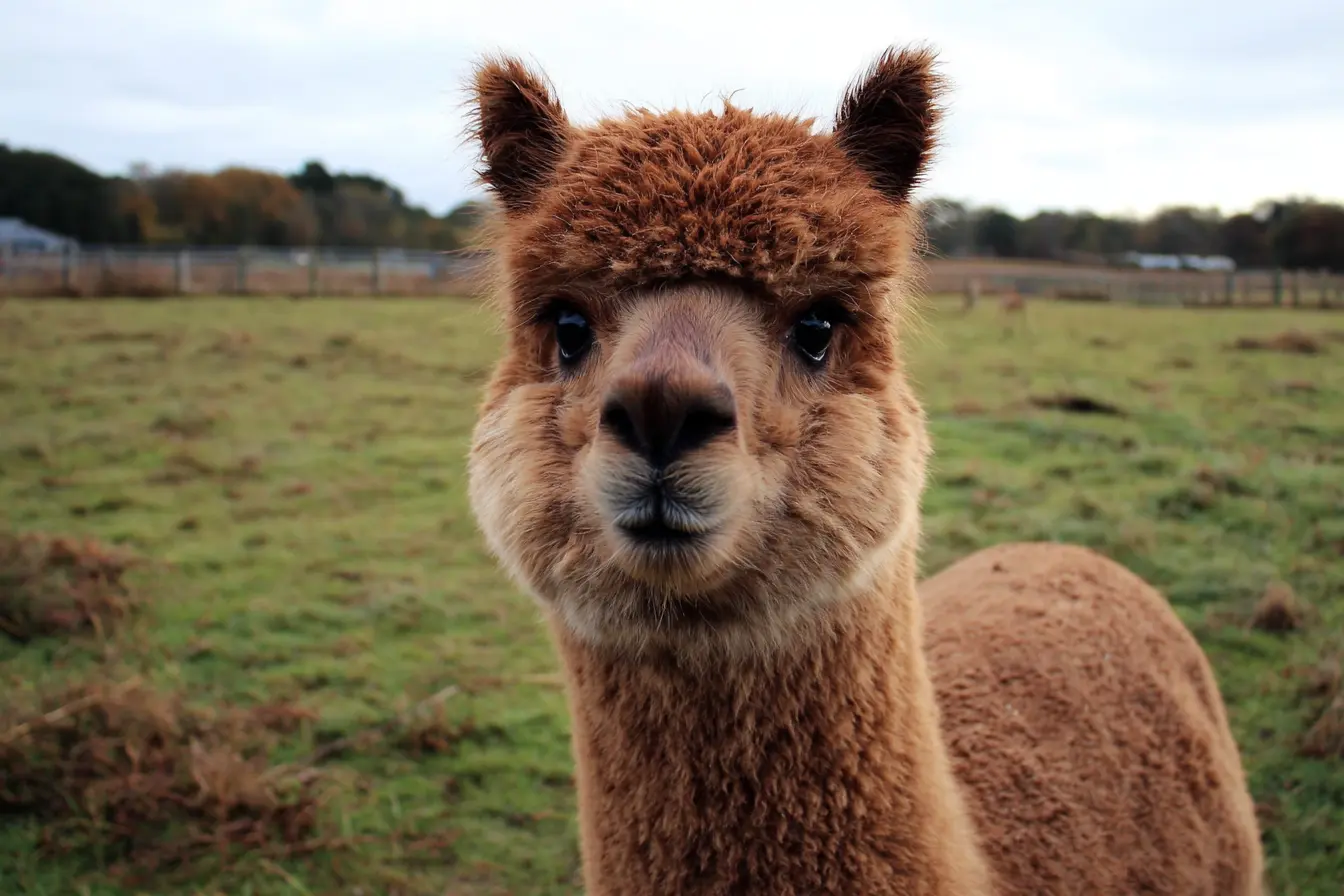
Healthy eyes are essential for an alpaca's welfare, behaviour, and ability to interact with its environment. As prey animals, alpacas rely heavily on their vision to detect potential threats and navigate their surroundings. Eye problems can develop quickly and, if left untreated, may lead to pain, infection, impaired vision, or even permanent blindness.
Fortunately, many eye conditions can be successfully treated when identified early. For this reason, regular eye examinations should form part of every alpaca owner's routine health checks.
This guide provides a detailed overview of alpaca eye health, including how healthy eyes should appear, common eye problems, warning signs to watch for, preventative measures, and when veterinary attention is required.
Why Eye Health Matters in Alpacas
The eyes are among the most sensitive organs in the body and are vulnerable to injury, infection, and disease.
Good eye health is important because it supports:
Normal behaviour
Grazing and feeding
Social interactions
Predator awareness
Overall welfare and comfort
Even relatively minor eye injuries can become serious if treatment is delayed.
What Healthy Alpaca Eyes Should Look Like
Regular observation helps owners identify abnormalities before they become severe.
Healthy alpaca eyes should be:
Bright and alert
Clear and free from cloudiness
Symmetrical in appearance
Free from excessive discharge
Fully open and comfortable
Free from swelling or redness
The surrounding skin and eyelids should also appear healthy and free from irritation.
How to Perform a Routine Eye Check
A quick eye examination can be incorporated into routine handling sessions.
Observe from a Distance
Before approaching the alpaca, look for:
Squinting
Head shaking
Reluctance to face sunlight
Excessive blinking
Changes in behaviour
These can be early indicators of discomfort.
Examine the Eyes Closely
When handling the alpaca, inspect:
Eyelids
Eye surface
Tear production
Colour of surrounding tissues
Presence of discharge
Both eyes should appear similar in size, shape, and clarity.
Compare Both Eyes
Comparing one eye with the other often helps identify subtle abnormalities.
Look for differences in:
Eye size
Cloudiness
Redness
Swelling
Tear production
Even small differences may warrant further investigation.
Common Eye Problems in Alpacas
Several eye conditions are regularly encountered in alpaca herds.
Eye Injuries and Trauma
Physical injuries are among the most common causes of eye problems.
Potential causes include:
Hay stalks
Sharp vegetation
Thorns
Fencing
Kicks from herd mates
Foreign objects
Because alpacas are naturally curious animals, accidental injuries can occur even in well-managed environments.
Signs of Eye Trauma
Watch for:
Sudden squinting
Excessive tearing
Redness
Cloudiness
Holding the eye closed
Sensitivity to light
Any suspected eye injury should be examined promptly.
Corneal Ulcers
The cornea is the transparent outer surface of the eye.
Damage to this delicate structure can result in ulcers, which are both painful and potentially serious.
Causes of Corneal Ulcers
Common causes include:
Trauma
Foreign bodies
Scratches from vegetation
Secondary infections
Signs of Corneal Ulcers
Symptoms often include:
Excessive tearing
Squinting
Cloudy eye appearance
Pain
Reluctance to open the eye
Corneal ulcers require veterinary diagnosis and treatment.
Conjunctivitis (Pink Eye)
Conjunctivitis refers to inflammation of the tissues lining the eyelids and eye surface.
Causes
Potential causes include:
Bacterial infections
Viral infections
Dust and environmental irritants
Foreign bodies
Allergic reactions
Symptoms
Affected alpacas may show:
Redness
Swollen eyelids
Watery eyes
Mucous discharge
Eye rubbing
Prompt treatment usually results in a good recovery.
Foreign Bodies in the Eye
Grass seeds, hay fragments, dust, and other debris can become trapped within the eye.
Common Signs
Owners may notice:
Excessive blinking
Tearing
Pawing at the face
Eye rubbing
Sudden discomfort
Foreign material should not be aggressively removed without veterinary advice, as this can worsen injuries.
Cataracts
Cataracts involve clouding of the eye's lens and can impair vision.
Causes
Cataracts may develop due to:
Ageing
Genetics
Trauma
Disease
Signs
Symptoms may include:
White or grey cloudiness within the eye
Reduced vision
Hesitancy when moving through unfamiliar areas
Some cataracts progress slowly, while others may develop more rapidly.
Uveitis
Uveitis is inflammation within the eye and is considered a serious condition.
Symptoms
Affected alpacas may display:
Severe eye pain
Cloudiness
Redness
Constricted pupil
Excessive tearing
Immediate veterinary assessment is essential.
Entropion
Entropion occurs when the eyelid rolls inward, causing eyelashes to rub against the eye surface.
Most Common in Crias
Young alpacas are most commonly affected.
Signs include:
Excessive tearing
Eye irritation
Squinting
Corneal damage
Early treatment can prevent long-term complications.
Excessive Tear Production
Persistent watering of the eyes can indicate several underlying issues.
Possible causes include:
Irritation
Infection
Foreign bodies
Blocked tear ducts
Eyelid abnormalities
Although sometimes minor, persistent tearing should always be investigated.
Eye Discharge: What Is Normal?
Small amounts of clear discharge may occasionally be present.
However, owners should be concerned if discharge becomes:
Thick
Yellow
Green
Excessive
Foul smelling
These signs often indicate infection or inflammation.
Recognising Signs of Vision Loss
Vision problems can develop gradually, making them difficult to detect.
Potential indicators include:
Walking into obstacles
Startling easily
Reluctance to enter unfamiliar areas
Difficulty locating feed
Changes in herd interactions
Older alpacas should receive particular attention as age-related eye conditions become more common.
Environmental Factors Affecting Eye Health
Management practices can significantly influence eye health.
Dust
Dusty environments can irritate the eyes and increase infection risks.
Reduce dust exposure by:
Maintaining clean bedding
Providing adequate ventilation
Avoiding excessively dusty feeds
Sharp Vegetation
Inspect grazing areas for:
Thorny plants
Sharp stems
Hazardous vegetation
Removing potential hazards helps reduce injury risks.
Ultraviolet Light
Although alpacas generally tolerate sunlight well, prolonged exposure to intense ultraviolet radiation may contribute to certain eye conditions.
Providing shelter and shade is beneficial.
Eye Health in Crias
Young alpacas require careful monitoring.
Conditions commonly affecting crias include:
Entropion
Congenital eye abnormalities
Injuries
Infections
Routine neonatal health checks should include eye examinations.
When to Contact a Veterinarian
Eye conditions can deteriorate rapidly and should never be ignored.
Seek veterinary attention if you observe:
Cloudiness
Persistent squinting
Severe tearing
Eye injuries
Swelling
Yellow or green discharge
Apparent blindness
Sudden changes in eye appearance
Prompt treatment often improves outcomes and reduces the risk of permanent damage.
Preventing Eye Problems in Alpacas
Many eye issues can be reduced through good management practices.
Regular Health Checks
Inspect eyes routinely during:
Feeding
Handling sessions
Maintain Safe Environments
Reduce injury risks by:
Repairing damaged fencing
Removing sharp objects
Managing hazardous vegetation
Monitor Herd Behaviour
Observe alpacas daily for:
Eye rubbing
Squinting
Behavioural changes
Reduced appetite
Early detection is often the key to successful treatment.
Why Routine Eye Monitoring Matters
Regular eye examinations provide several benefits:
Early Detection: Identifies problems before they become severe.
Improved Welfare: Reduces pain and discomfort.
Better Treatment Outcomes: Early intervention improves recovery rates.
Vision Preservation: Helps prevent permanent damage.
Enhanced Health Monitoring: Eye changes may indicate broader health issues.
Reduced Veterinary Costs: Prevents minor conditions becoming major problems.
Conclusion
Eye health is a critical but sometimes overlooked aspect of alpaca care. Because eye conditions can progress rapidly, routine monitoring is essential for maintaining comfort, vision, and overall wellbeing. By learning what healthy eyes should look like and recognising the early signs of disease, injury, or irritation, owners can respond quickly when problems arise.
Regular health checks, safe grazing environments, and prompt veterinary attention for abnormal findings will help ensure that alpacas maintain healthy vision throughout their lives. A few moments spent examining the eyes during routine management can often prevent serious complications and contribute significantly to long-term herd welfare.
Quick questions
- What should I know about alpaca eye health?
- Learn how to protect alpaca eye health with simple daily checks and early veterinary care. Vet Verified can help you compare UK veterinary practices by location, species, services and opening hours before you call.
- When should I contact a vet about alpaca eye health?
- Contact a veterinary practice if your pet seems unwell, symptoms are getting worse, you are unsure what to do, or the situation may be urgent. Vet Verified helps you compare practice details, but a vet should advise on your pet's current care.
- Can Vet Verified help me find a vet?
- Yes. Use Vet Verified to compare UK veterinary practices by location, species, services and opening hours, then call directly to confirm current availability.
Find a vet
Find a veterinary practice
Compare UK veterinary practices related to this topic. Call the practice to confirm its current services and availability.
Find a vet