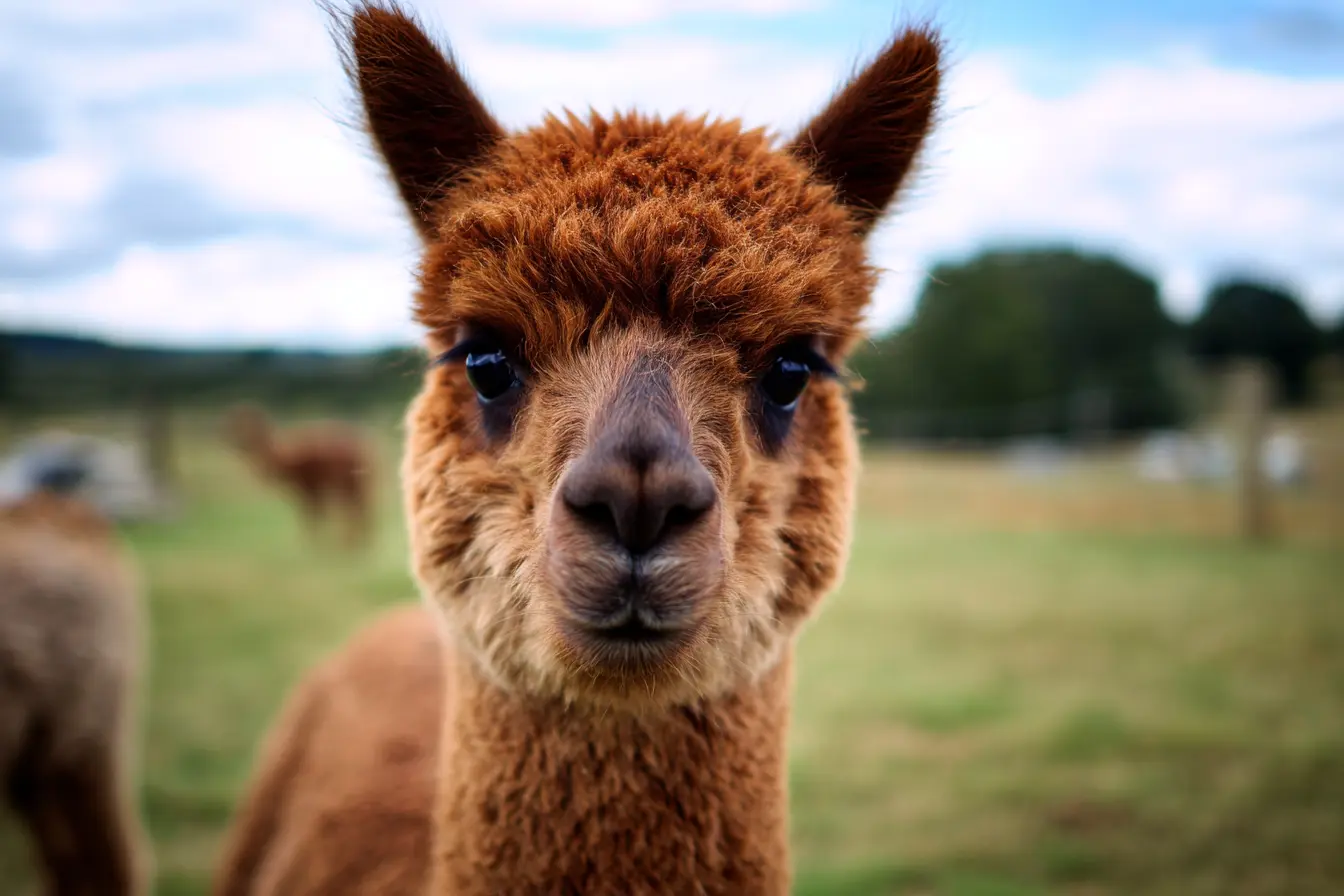
Regular toenail trimming is an essential part of alpaca husbandry and plays a vital role in maintaining mobility, comfort, and overall health. While alpacas are generally hardy and relatively low-maintenance animals, their toenails continuously grow throughout their lives and require routine attention to prevent discomfort and long-term foot problems.
Whether you keep alpacas as fibre animals, breeding stock, conservation grazers, or companions, understanding how and when to trim their toenails is a key responsibility. This guide provides a detailed overview of alpaca toenail care, including why trimming is necessary, how often it should be done, the equipment required, proper trimming techniques, and common foot health issues.
Why Alpaca Toenails Need Trimming
Unlike wild camelids that naturally wear down their nails on rough terrain, domesticated alpacas often live on softer pasture where natural wear is limited.
Without regular trimming, overgrown nails can cause:
Difficulty Walking: Long nails alter the foot's natural shape and gait.
Joint Strain: Abnormal foot positioning places stress on joints and tendons.
Foot Deformities: Severe overgrowth can permanently affect foot structure.
Increased Risk of Injury: Nails may split, crack, or become torn.
Reduced Mobility: Animals may become reluctant to move or graze.
Poor Welfare: Overgrown nails can cause pain and discomfort.
Routine trimming helps maintain proper foot structure and supports long-term health.
Understanding Alpaca Foot Anatomy
Before trimming, it is important to understand the structure of an alpaca's foot.
Two-Toed Feet
Alpacas have two toes on each foot, each covered by a toenail.
The foot consists of:
A soft padded sole
Two toenails
Supporting tendons and ligaments
Sensitive tissue within the nail
Unlike sheep or goats, alpacas do not have hooves. Their padded feet make them particularly gentle on pasture but also mean that nail maintenance is essential.
Normal Nail Growth
Toenail growth varies depending on:
Age
Genetics
Diet
Ground conditions
Activity levels
Some alpacas require trimming several times per year, while others may only need occasional attention.
How Often Should Alpaca Toenails Be Trimmed?
There is no universal schedule that suits every alpaca.
Typical Trimming Frequency
Most alpacas require trimming:
Every 2–6 months
At least twice per year
More frequently in soft pasture systems
Regular inspections are often more important than following a fixed timetable.
Factors Affecting Nail Growth
Several factors influence how quickly nails grow:
Soft ground causes less natural wear.
Older alpacas may experience faster nail growth.
Some bloodlines naturally produce faster-growing nails.
Wet conditions can soften nails and affect wear patterns.
Routine monitoring helps identify when trimming is required.
Equipment Needed for Toenail Trimming
Using the correct tools makes trimming safer and more efficient.
Essential Equipment
Common tools include:
Alpaca nail clippers
Sharp secateurs
Livestock hoof trimmers
Small hand brush
Disinfectant spray
Many experienced owners prefer quality bypass secateurs because they provide a clean, controlled cut.
Safety Equipment
For handler safety, consider:
Gloves
Sturdy footwear
First aid kit
Helper or assistant when required
Clean equipment should always be used to reduce infection risks.
Preparing Alpacas for Toenail Trimming
Good preparation can make the process significantly easier.
Handling and Restraint
Most alpacas tolerate nail trimming well when handled calmly.
Common restraint methods include:
Holding the alpaca with a halter
Gentle restraint against a wall
Assistance from an experienced handler
Purpose-built handling systems
Calm handling helps reduce stress and improves safety.
Creating a Calm Environment
Choose an area that is:
Quiet
Free from distractions
Non-slip underfoot
Secure and enclosed
Avoid rushing the process, particularly with young or inexperienced animals.
How to Trim Alpaca Toenails
Correct trimming technique is essential to avoid injury.
Step 1: Inspect the Foot
Begin by examining each foot carefully.
Look for:
Overgrown nails
Cracks or splits
Signs of infection
Embedded stones or debris
Abnormal growth patterns
Cleaning the foot beforehand helps improve visibility.
Step 2: Identify Excess Nail Growth
Healthy nails should follow the contour of the foot pad.
Overgrown nails often:
Curl sideways
Extend beyond the pad
Trap dirt and debris
Distort foot shape
Only the excess nail should be removed.
Step 3: Trim Gradually
Using sharp clippers:
Remove small amounts at a time.
Follow the natural shape of the foot.
Trim each toe evenly.
Avoid cutting too deeply.
The goal is to restore the nail to a level slightly above the foot pad.
Step 4: Check Foot Balance
After trimming:
Ensure both toes are level.
Confirm the alpaca can stand comfortably.
Recheck for sharp edges or uneven cuts.
Balanced feet promote proper movement and weight distribution.
Avoiding Common Trimming Mistakes
Even experienced owners can occasionally make mistakes.
Cutting Too Short
The most common error is removing too much nail.
This can result in:
Bleeding
Pain
Temporary lameness
Increased infection risk
Always trim conservatively if uncertain.
Ignoring Nail Shape
Focusing solely on nail length may leave the foot unbalanced.
Aim to maintain:
Natural foot alignment
Even weight distribution
Proper toe spacing
Infrequent Trimming
Allowing nails to become severely overgrown can make trimming more difficult and stressful.
Regular maintenance is usually easier than corrective trimming.
Common Foot Problems in Alpacas
Routine nail trimming provides an opportunity to identify health issues.
Overgrown Nails
The most frequently encountered problem.
Signs include:
Curled nails
Altered gait
Reluctance to walk
Uneven weight bearing
Foot Abscesses
Although relatively uncommon, abscesses can occur.
Symptoms include:
Sudden lameness
Swelling
Heat
Pain when handled
Veterinary attention may be required.
Injuries and Cracks
Sharp stones, rough surfaces, or trauma can cause:
Split nails
Cracks
Bruising
Soft tissue injuries
Early treatment helps prevent complications.
Arthritis and Mobility Issues
Older alpacas may develop mobility problems unrelated to nail length.
Regular foot inspections help distinguish between nail issues and underlying joint disease.
Combining Toenail Trimming with Routine Health Checks
Many owners perform additional health tasks during nail trimming sessions.
These may include:
Vaccinations
Fleece assessments
Combining tasks reduces handling frequency and improves overall herd management.
Signs Your Alpaca Needs a Toenail Trim
Watch for the following indicators:
Nails extending beyond the foot pad
Curled or twisted nails
Uneven standing posture
Difficulty walking
Reduced activity levels
Dirt trapped beneath nails
Regular visual inspections often prevent more serious issues from developing.
Conclusion
Toenail trimming is a simple but essential aspect of responsible alpaca care. Although often overlooked compared with feeding, shearing, and health management, proper foot care has a significant impact on an alpaca's comfort, mobility, and long-term welfare.
By inspecting feet regularly, trimming nails when necessary, and maintaining good handling practices, owners can prevent many common foot problems before they develop. Whether caring for a single alpaca or a larger herd, routine toenail maintenance should form an important part of every alpaca health programme.
Quick questions
- What should I know about alpaca toenail trimming?
- Alpaca toenail trimming is important for mobility, comfort and long-term foot health. Domestic alpacas on soft pasture do not wear nails down naturally, so regular checks and trims stop pain, joint strain and deformities. Vet Verified can help you compare UK veterinary practices by location, species, services and opening hours before you call.
- When should I contact a vet about alpaca toenail trimming?
- Contact a veterinary practice if your pet seems unwell, symptoms are getting worse, you are unsure what to do, or the situation may be urgent. Vet Verified helps you compare practice details, but a vet should advise on your pet's current care.
- Can Vet Verified help me find emergency vets?
- Yes. Use Vet Verified to compare emergency vets across the UK, then check practice profiles and call directly to confirm current availability.
Find a vet
Find a veterinary practice
Compare UK veterinary practices related to this topic. Call the practice to confirm its current services and availability.