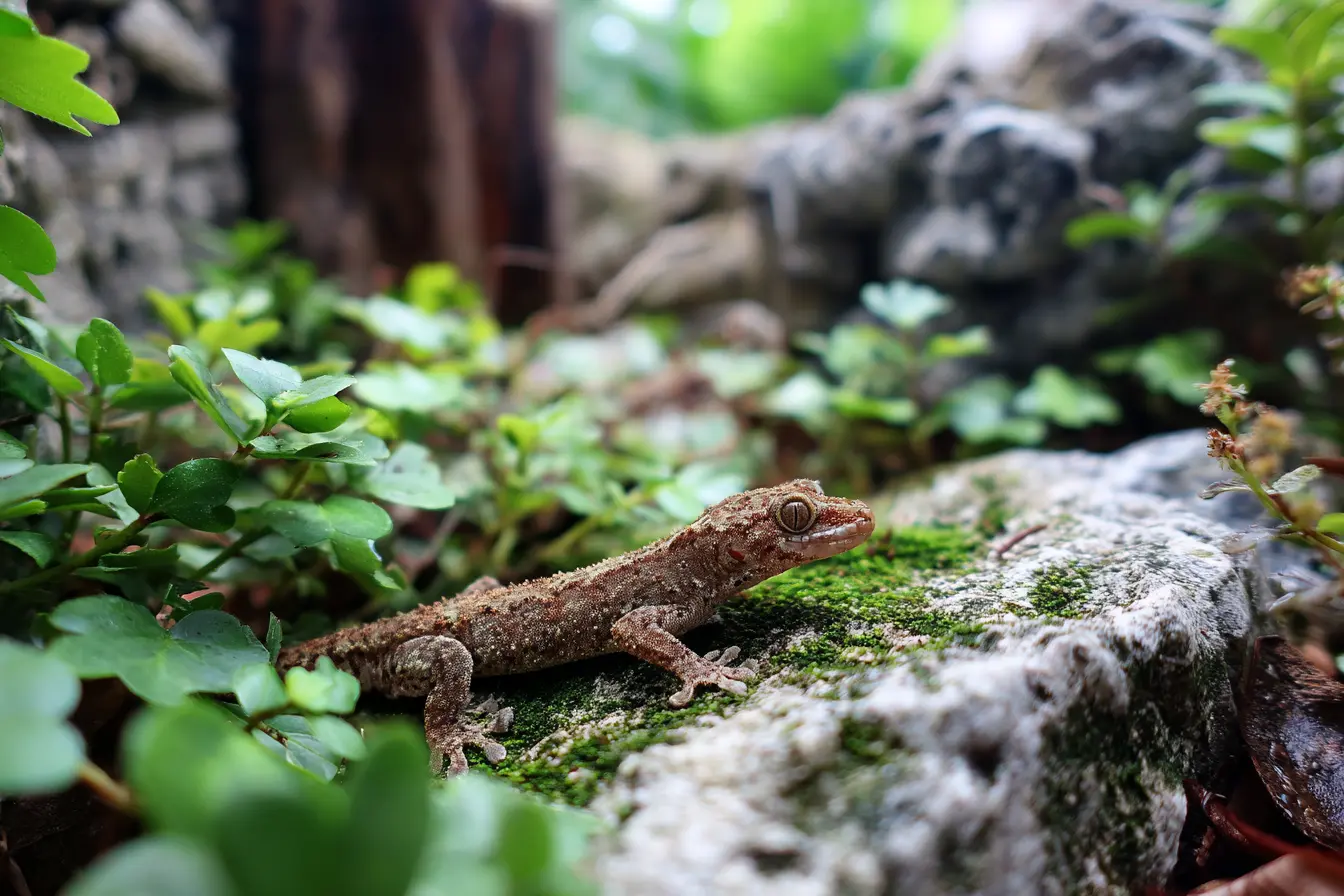
Arboreal reptiles and amphibians live primarily above ground, spending their lives climbing, perching, and resting among branches, leaves, and vertical surfaces. Frogs, geckos, anoles, and many other species rely on height, humidity, and structure rather than floor space.
Setting up a successful arboreal terrarium is not just about making it look attractive, it is about replicating the vertical complexity, climate, and security these animals need to feel safe and behave naturally.
This guide walks you through every aspect of building and maintaining an arboreal terrarium, from enclosure choice to long-term maintenance.
Understanding Arboreal Needs
Before choosing equipment or decor, it is essential to understand how arboreal species use their environment.
Arboreal animals:
Spend most of their time above ground
Sleep on leaves, branches, or vertical surfaces
Move vertically more than horizontally
Often retreat into dense foliage to feel secure
Depend on humidity, airflow, and access to clean water
A successful terrarium must prioritise height, climbing structure, humidity control, and ventilation.
Choosing the Right Enclosure
Size and Orientation
Height is the most important dimension in an arboreal setup.
Minimum recommended size for small arboreal frogs or geckos:
45 × 45 × 60 cmMedium species benefit from 60 × 45 × 90 cm or larger
Bigger is always better, provided conditions remain stable
Vertical or semi-vertical terrariums are essential. Long, low tanks are unsuitable for arboreal species.
Materials
Glass terrariums are most common and allow good visibility
PVC enclosures retain heat and humidity well
Mesh-sided enclosures are unsuitable for amphibians due to humidity loss
Ventilation
Front and top ventilation is ideal
Avoid fully sealed enclosures
Proper airflow prevents mould, stagnant air, and respiratory issues
Backgrounds and Vertical Surfaces
Arboreal species use more than just branches, they also climb walls.
Background Options
Cork bark panels
Foam backgrounds coated with silicone and substrate
Commercial 3D backgrounds
Backgrounds:
Increase usable surface area
Improve humidity retention
Encourage natural climbing behaviour
Ensure all backgrounds are securely fixed and free of sharp edges.
Substrate and Drainage
Drainage Layer
A drainage layer is essential for humid arboreal terrariums.
Use clay balls, gravel, or specialist drainage media
Depth: 3–5 cm
Separate from substrate with mesh or weed membrane
This prevents waterlogging and root rot in planted enclosures.
Substrate Choices
Good substrates include:
Coconut fibre
Organic topsoil (fertiliser-free)
Orchid bark mixes
Leaf litter blends
Substrate should:
Retain moisture
Drain excess water
Resist compaction
Avoid sand, gravel, or dry reptile substrates.
Hardscape: Branches, Vines, and Structure
Structure is the heart of an arboreal terrarium.
Branches
Cork bark, grapevine, spiderwood, or bamboo
Arrange both vertically and diagonally
Provide multiple pathways between levels
Vines
Natural lianas or flexible artificial vines
Create routes between plants and branches
Increase usable climbing space
Stability
All climbing structures must be secure
Avoid pieces that can shift or collapse
Test by gently shaking before introducing animals
Plants and Foliage
Live plants provide cover, climbing surfaces, and humidity regulation.
Suitable Plants
Pothos
Philodendron
Ficus
Bromeliads
Ferns
Dracaena
Planting Tips
Use pesticide-free plants only
Wash leaves thoroughly before use
Plant directly into substrate or in hidden pots
Combine dense foliage with open climbing areas
Plants are not just decorative, they reduce stress and encourage natural behaviour.
Water Provision
Arboreal species drink differently from terrestrial animals.
Water Dishes
Use shallow, stable bowls
Place near climbing routes
Clean daily
Misting
Hand misting once or twice daily
Automated misting systems for consistency
Ensure water droplets collect on leaves and glass
Some species will only drink moving water droplets.
Temperature Control
Heating Methods
Ceramic heat emitters
Low-wattage heat lamps
Heat mats (external only, rarely primary)
Temperature Gradients
Warm upper zones
Cooler lower areas
Avoid overheating the top of the enclosure
Typical arboreal frog ranges:
Day: 24–28°C
Night: 20–22°C
Always use thermostats and digital thermometers.
Humidity Management
Humidity is critical for arboreal amphibians.
Most species require 60–80% humidity
Some tropical species need higher levels
Mist regularly but allow surfaces to dry slightly between mistings
Poor humidity leads to dehydration, shedding issues, and illness.
Lighting and UVB
Daylight Lighting
LED or fluorescent lighting for plants and visibility
12-hour day/night cycle
UVB
Low-level UVB (2–5%) recommended for many species
Position above mesh, not glass
Replace bulbs every 6–12 months
UVB supports calcium metabolism and overall health.
Bioactive vs Traditional Setups
Bioactive Terrariums
Live plants
Cleanup crew (springtails, isopods)
Natural waste breakdown
Traditional Setups
Artificial plants
Manual cleaning
Easier initial setup
Both can work, but bioactive systems offer long-term stability if set up correctly.
Cleaning and Maintenance
Daily
Check temperature and humidity
Remove visible waste
Refill water bowls
Weekly
Spot-clean surfaces
Check plant health
Monthly
Deep clean non-bioactive setups
Trim plants
Inspect equipment
Consistency is key to long-term success.
Introducing Animals
Ensure enclosure is fully cycled and stable
Add animals gently and with minimal handling
Observe closely for the first few weeks
Avoid overcrowding
Common Mistakes to Avoid
Enclosures that are too short
Overcrowding
Poor ventilation
Inadequate climbing structure
Over-misting without airflow
Using unsafe woods or treated plants
Conclusion
A well-designed arboreal terrarium is more than a display, it is a functional ecosystem that allows animals to climb, hide, drink, and rest as they would in nature.
By prioritising height, structure, humidity, and stability, and by understanding how arboreal species actually use their environment, you can create a terrarium that is both visually stunning and biologically appropriate.
When done correctly, an arboreal terrarium becomes a living vertical landscape, and a thriving home for its inhabitants.
Quick questions
- What should I know about arboreal terrarium?
- Arboreal terrarium setup for arboreal reptiles and amphibians like frogs, geckos and anoles. Vet Verified can help you compare UK veterinary practices by location, species, services and opening hours before you call.
- When should I contact a vet about arboreal terrarium?
- Contact a veterinary practice if your pet seems unwell, symptoms are getting worse, you are unsure what to do, or the situation may be urgent. Vet Verified helps you compare practice details, but a vet should advise on your pet's current care.
- Can Vet Verified help me find exotic vets?
- Yes. Use Vet Verified to compare exotic vets across the UK, then check practice profiles and call directly to confirm current availability.
Find a vet
Find a veterinary practice
Compare UK veterinary practices related to this topic. Call the practice to confirm its current services and availability.