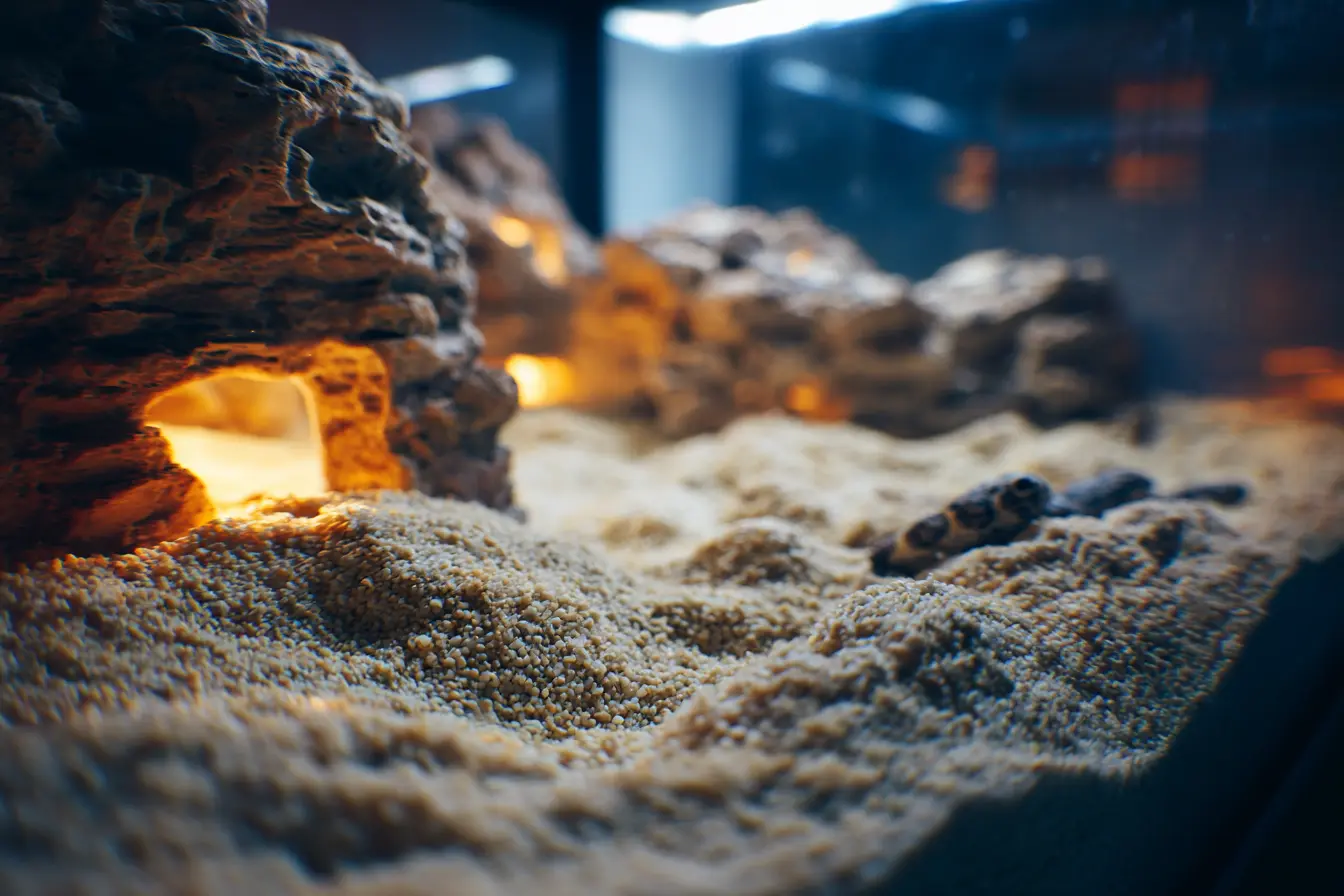
Burrowing species, such as certain amphibians, reptiles, and invertebrates, spend a large portion of their lives underground. These species rely on secure, moisture-retaining environments with deep, diggable substrates to mimic their natural habitat. Whether you're keeping burrowing frogs, desert tortoises, or even some species of snakes, creating the right terrarium is essential for their health and well-being.
This comprehensive guide will walk you through all the essential steps needed to set up a burrowing terrarium, from choosing the right enclosure to setting up the perfect substrate, heating, humidity control, and enriching the environment.
Understanding the Needs of Burrowing Species
Burrowing animals are unique in that they spend much of their time hidden beneath the surface, creating tunnels, and seeking shelter. Key requirements include:
Deep, diggable substrate for burrowing
Stable temperature and humidity suited to their species
Safe and secure hiding spots to mimic natural shelter
Proper ventilation to prevent damp, stagnant air
Burrowing species are often solitary and may spend large portions of time underground, only emerging occasionally to feed or drink. Providing them with a terrarium that satisfies these needs is essential for their long-term health.
Choosing the Right Enclosure
Size and Orientation
Burrowing species generally require more horizontal space than vertical, but they also need depth in their substrate.
For smaller burrowing frogs or reptiles, 60 × 45 × 45 cm is a minimum size.
Larger species, like desert tortoises or large snakes, may need 90 × 45 × 60 cm or more.
A longer terrarium is better for giving them room to dig.
The enclosure should be low to the ground and spacious enough for them to move around, burrow, and have multiple areas of interest. Ensure the lid or door is secure to prevent escape, as some burrowing species are quite adept at finding weak points.
Materials
Glass tanks: Provide excellent visibility and work well for most small-to-medium burrowing species.
PVC or plastic enclosures: Retain heat and humidity well, making them a good option for species from warmer climates.
Mesh tops: Avoid if your species needs high humidity, as they allow water to evaporate too quickly.
Ventilation
Burrowing species still need airflow, but it should be gentle to avoid drying out the substrate. A mesh or well-ventilated lid is ideal for most species. Proper airflow prevents mould, stagnant air, and respiratory issues. However, make sure the ventilation isn't too large or placed where it disrupts humidity.
Substrate: The Foundation for Burrowing
Substrate is by far the most important part of the terrarium for burrowing species. The right substrate should be deep, easy to dig, and hold moisture without becoming waterlogged. Here’s how to choose the best one:
Substrate Depth
Minimum substrate depth: 10–15 cm (for smaller species), but deeper is better for larger, more active burrowers (20–30 cm).
Species-specific: Some species may require even deeper substrate for tunnelling.
Substrate depth allows for natural burrowing, provides the necessary hiding space, and helps with temperature and humidity regulation.
Suitable Substrate Options
Coconut fibre: Moisture-retaining and ideal for many amphibians, as well as reptiles.
Coco coir: Lightweight, absorbent, and easily diggable, making it a popular choice for burrowing species.
Topsoil (fertiliser-free): Great for amphibians and reptiles that need to dig and burrow.
Sphagnum moss: Works well mixed with other substrates for moisture retention.
Play sand (used sparingly, or in a 50/50 mix with coconut fibre): Ideal for species from drier regions, but avoid using it alone as it can lead to impaction.
Excavator clay: Ideal for species that need deep burrows (such as certain desert species). It allows for more stable, solid tunnels.
Substrate Layering
Drainage layer (optional): Place a layer of gravel or clay balls at the bottom of the tank if your species needs high humidity or a bioactive setup. This will allow excess water to drain away and prevent the substrate from becoming waterlogged.
Use a mesh barrier to separate the drainage from the substrate layer to prevent mixing.
Substrate Maintenance
Burrowing species often leave waste and debris in their burrows, so spot cleaning is essential.
In bioactive setups, clean-up crews (e.g., isopods, springtails) can help break down waste in the substrate.
Temperature and Heating
Burrowing species often rely on thermal gradients to regulate their body temperature, which requires providing both warm and cool zones.
Heating Methods
Heat mats: These work well for ground-dwelling species, providing heat from below, simulating natural burrowing heat sources.
Ceramic heat emitters: Ideal for providing heat without light, often used for nocturnal burrowing species.
Basking lamps: For species that enjoy occasional basking, a heat lamp on one side of the tank can provide a temperature gradient.
Undertank heating: For burrowing species, heating mats can be placed beneath the enclosure (or on the side), helping maintain warmth at ground level.
Temperature Range
The specific temperature needs will depend on the species:
Tropical burrowers: 24–28°C (75–82°F)
Desert species: 30–35°C (86–95°F) during the day with a slight night-time drop
Use a thermostat to control temperature and avoid overheating.
Thermometer
Use at least two thermometers:
One on the warm side of the terrarium
One on the cool side
This ensures your temperature gradient is working correctly.
Humidity: Managing Moisture Levels
Humidity is critical, especially for species that are more moisture-dependent (e.g., amphibians). However, it should never be so high that it makes the substrate soggy.
Humidity Control
Mist regularly (once or twice a day) to maintain moisture, but avoid soaking the substrate.
Humidity gauge: A digital hygrometer will allow you to monitor the humidity levels accurately.
Humidity range: Tropical species need 60–80% humidity, while desert species require much lower humidity (20–40%).
Maintaining Proper Humidity
Live plants can help maintain humidity naturally by releasing moisture into the air.
Water dish: A shallow, stable water dish can help increase local humidity levels.
For desert species, avoid high humidity to prevent mould and respiratory issues.
Airflow Considerations
Ensure proper airflow to prevent excess moisture from causing fungus, mould, or respiratory problems. Keep the ventilation at a moderate level to avoid drying out the terrarium too quickly.
Hides and Shelter
Providing adequate hiding spots is essential for burrowing species, as they are naturally inclined to seek refuge and feel secure.
Hides
Use cork bark, ceramic caves, or wooden hides. These should be placed at various locations across the terrarium.
Some species will burrow directly under the substrate to form their own hides, but additional above-ground options will encourage exploration and reduce stress.
Creating Natural Shelters
Use logs, branches, and leaf litter to replicate natural burrowing environments.
Plant cover (real or artificial) can also serve as hiding spots and contribute to overall security.
Lighting and UVB
Lighting Requirements
Burrowing species are often less active during the day, but they still need a natural day/night cycle to regulate their biological rhythms.
Low light is appropriate for many burrowing species, but ensure a regular 12-hour day/night cycle.
For desert species, you may need stronger light to simulate sunlight and basking conditions.
UVB Lighting
UVB is necessary for many reptiles, particularly for vitamin D3 synthesis, which is vital for calcium absorption.
Low-level UVB (e.g., a 5% UVB bulb) may be appropriate for some burrowing reptiles, especially if they spend time at the surface or bask.
Amphibians, on the other hand, tend to have more sensitive skin, and UVB is generally not necessary unless specifically required for the species.
Make sure the UVB light is positioned correctly (not too close, not too far) to ensure your animal receives adequate exposure.
Water Provision
While burrowing species may not require a large water area, water access is still essential.
Shallow water dishes are important for hydration and drinking. Keep them clean and replace the water regularly.
Some species, particularly amphibians, may prefer water bowls that are more integrated into the substrate, simulating puddles or streams.
Enrichment and Behaviour
Even burrowing species need mental and physical enrichment to maintain their natural behaviour.
Enrichment Ideas
Burying food items in the substrate encourages natural hunting and digging.
Branching logs or tunnels that create a more complex environment can increase natural behaviours.
Rotating hides and furniture regularly can stimulate exploration.
Cleaning and Maintenance
Daily
Remove waste and debris.
Check temperature and humidity.
Refresh the water dish.
Weekly
Spot clean the substrate, remove uneaten food, and check for mould.
Wipe down glass to maintain visibility.
Monthly
Deep clean the enclosure.
Replace substrate if needed.
Inspect and maintain heating, lighting, and ventilation equipment.
Common Mistakes to Avoid
Not providing enough substrate depth for burrowing.
Incorrect temperature or humidity levels for the species.
Using a substrate that is unsuitable for burrowing (e.g., sand or gravel alone).
Overheating the terrarium, especially in small enclosures.
Insufficient hides or security features to reduce stress.
Conclusion
Setting up a burrowing terrarium requires careful attention to detail, especially when it comes to substrate, temperature, humidity, and security. By understanding the natural behaviour of burrowing species and providing a stable, enriched environment, you can ensure your animal lives a long, healthy, and stress-free life in captivity.
Whether you're keeping a burrowing frog, reptile, or another species, the principles outlined in this guide will help you create the ideal environment for your burrowing companion.
Quick questions
- What should I know about burrowing terrarium?
- Burrowing terrarium guide for burrowing species like burrowing frogs, desert tortoises, burrowing reptiles and some snakes. Vet Verified can help you compare UK veterinary practices by location, species, services and opening hours before you call.
- When should I contact a vet about burrowing terrarium?
- Contact a veterinary practice if your pet seems unwell, symptoms are getting worse, you are unsure what to do, or the situation may be urgent. Vet Verified helps you compare practice details, but a vet should advise on your pet's current care.
- Can Vet Verified help me find exotic vets?
- Yes. Use Vet Verified to compare exotic vets across the UK, then check practice profiles and call directly to confirm current availability.
Find a vet
Find a veterinary practice
Compare UK veterinary practices related to this topic. Call the practice to confirm its current services and availability.