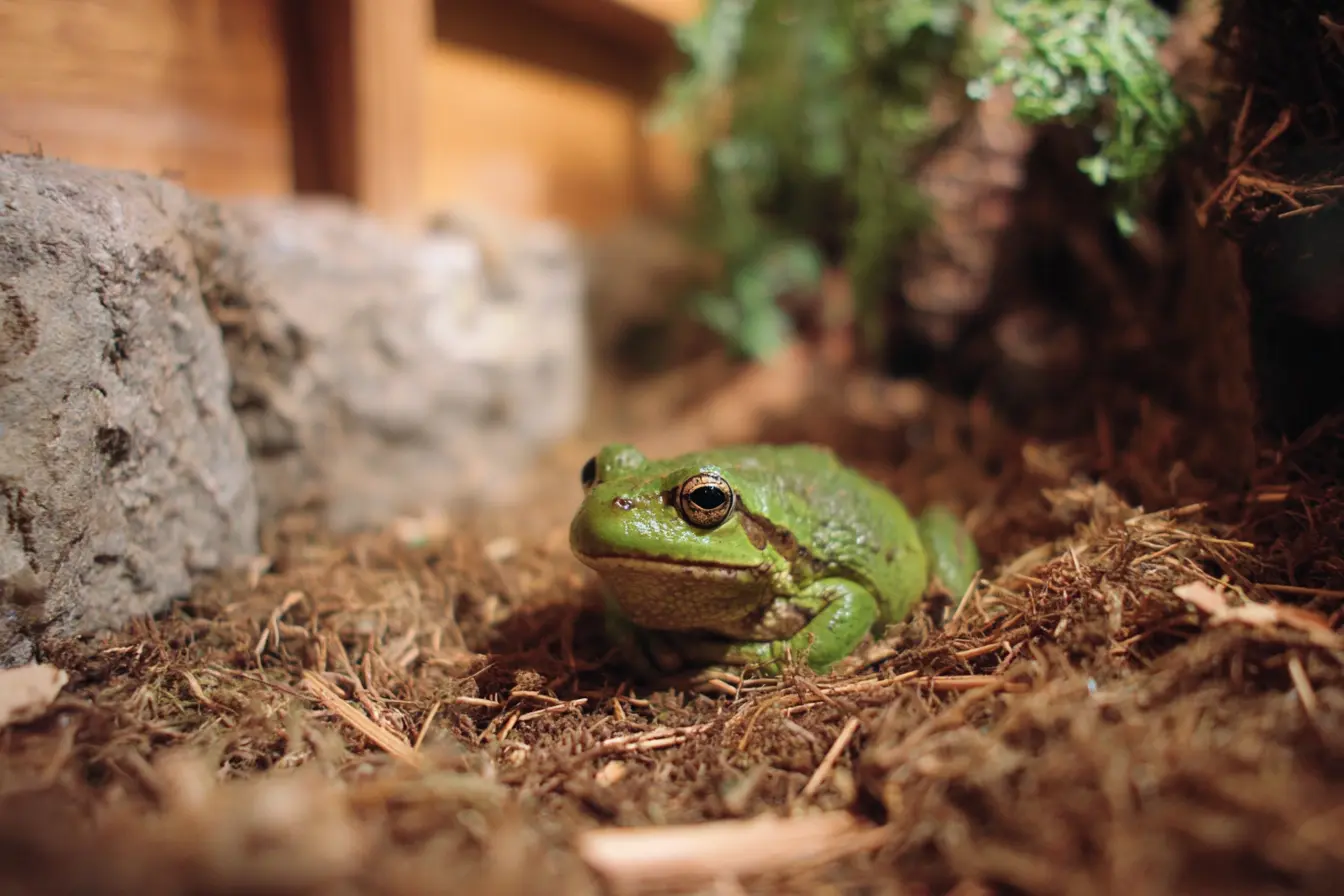
A clean-up crew can transform a terrarium from a high-maintenance enclosure into a more stable, self-regulating ecosystem. In species-housing terrariums, clean-up crews help break down waste, control mould, process decaying plant matter, and improve overall substrate health. However, introducing invertebrates into an already occupied terrarium must be done carefully to avoid stressing or harming the animals inside.
This comprehensive guide covers everything you need to know to successfully introduce a clean-up crew into an occupied terrarium, including species selection, preparation, safe introduction methods, post-introduction care, and common mistakes that can put your animals at risk.
What Is a Clean-Up Crew?
A clean-up crew is a group of beneficial invertebrates that live within the substrate and leaf litter of a terrarium. Their role is to consume organic waste and maintain a healthy microbial balance.
Typical responsibilities include:
Breaking down animal waste
Consuming uneaten food
Feeding on mould and fungi
Decomposing dead plant matter
Aerating substrate
A properly managed clean-up crew supports animal health indirectly by stabilising the environment.
Is a Clean-Up Crew Safe for My Species?
In most cases yes, but compatibility matters.
Generally Safe Species
Frogs and toads
Tropical lizards (geckos, anoles, skinks)
Small snakes
Most terrestrial invertebrates
Species Requiring Extra Caution
Very small hatchlings or juveniles
Predatory invertebrates (mantids, tarantulas)
Species that consume large quantities of substrate
Extremely arid species
Always research species-specific interactions before introducing any invertebrates.
Choosing the Right Clean-Up Crew
Essential Clean-Up Crew Members
Springtails
Springtails are the foundation of almost every bioactive terrarium.
Benefits:
Feed on mould and fungi
Extremely small and non-invasive
Safe for all species
Self-regulating population
Springtails should always be introduced first.
Isopods
Isopods process solid waste and plant debris.
Common terrarium species include:
Dwarf white isopods (ideal for small enclosures)
Dwarf purple isopods
Powder blue or powder orange (for larger, robust setups)
Choose species based on enclosure size, humidity, and animal sensitivity.
Avoid Problematic Species
Do not introduce:
Wild-caught insects
Large or aggressive isopods in small enclosures
Species requiring drastically different humidity or temperature
Invertebrates capable of biting or stinging
Preparing an Occupied Terrarium for Introduction
Preparation is critical when animals are already present.
Step 1: Confirm Environmental Stability
Before introduction, ensure:
Temperature is stable
Humidity matches species requirements
No chemical residues are present
Substrate is not waterlogged
An unstable enclosure will cause clean-up crew die-off.
Step 2: Reduce Immediate Risks to Animals
Feed animals prior to introduction to reduce hunting behaviour
Ensure hides and shelters are available
Avoid introducing clean-up crews during shedding, moulting, or illness
This reduces stress and predation risk.
Step 3: Assess Substrate Suitability
Clean-up crews require:
Organic substrate
Leaf litter
Moist but not saturated conditions
Bare or sterile substrates are unsuitable and must be amended first.
How to Introduce a Clean-Up Crew Safely
Introducing Springtails
Gently open the culture container
Pour springtails onto moist substrate or leaf litter
Avoid dumping them directly onto the animal
Lightly mist the area to encourage dispersal
Springtails will quickly burrow and spread.
Introducing Isopods
Introduce during low-activity periods (evening or night)
Place them under leaf litter or decor
Avoid releasing them in open areas
Introduce in small batches rather than all at once
This minimises stress and predation.
Should You Remove the Animal First?
In most cases no, but exceptions exist.
Temporary removal may be beneficial if:
The species is highly predatory
The enclosure is very small
The animal is stressed or aggressive
If removed, keep the animal warm and secure, and reintroduce once the crew has settled.
Feeding the Clean-Up Crew Without Harming the Animal
Clean-up crews still require supplemental feeding.
Safe food options include:
Leaf litter (primary food source)
Cuttlebone or calcium carbonate
Occasional vegetable matter (buried)
Commercial isopod foods (used sparingly)
Avoid overfeeding, which can cause mould and population explosions.
Monitoring After Introduction
What to Expect
In the first few weeks:
Some isopods may be eaten
Springtails may not be immediately visible
Waste breakdown will gradually improve
This is normal as populations establish.
Signs of Success
Reduced mould growth
Cleaner substrate surface
Healthy plant growth
Stable humidity
No changes in animal behaviour
Warning Signs
Sudden animal stress or aggression
Clean-up crew mass die-off
Persistent mould despite introduction
Strong odours
If issues arise, reassess conditions immediately.
Long-Term Clean-Up Crew Management
Population Control
Clean-up crews self-regulate when balanced.
To prevent overpopulation:
Avoid excessive feeding
Maintain stable conditions
Remove excess leaf litter if needed
Replenishment
Occasional top-ups may be required, especially in:
New setups
High-waste enclosures
Predator-heavy terrariums
Common Mistakes That Harm Animals
Introducing too many invertebrates at once
Using wild-caught insects
Adding clean-up crews to unsuitable substrates
Ignoring animal stress signals
Using chemical treatments “to help” the crew
Introducing during illness or quarantine periods
When a Clean-Up Crew Is Not Appropriate
Avoid introduction if:
The enclosure is temporary or quarantine-only
The species requires sterile conditions
The substrate is inorganic
You cannot meet humidity needs safely
Bioactive is a choice, not a requirement.
Conclusion
Introducing a clean-up crew to an occupied terrarium can significantly improve environmental stability, animal welfare, and ease of maintenance, but only when done thoughtfully and correctly. By selecting compatible species, preparing the enclosure properly, introducing them gradually, and monitoring both animals and invertebrates closely, you can create a balanced ecosystem that benefits everyone involved.
A clean-up crew should never replace good husbandry, but when integrated safely, it becomes one of the most effective tools for maintaining a healthy, species-safe terrarium.
Quick questions
- What should I know about clean-up crew?
- A clean-up crew in a bioactive terrarium uses springtails and isopods to break down waste, control mould and keep the substrate healthy. This guide shows how to introduce a clean-up crew to an occupied terrarium safely. Vet Verified can help you compare UK veterinary practices by location, species, services and opening hours before you call.
- When should I contact a vet about clean-up crew?
- Contact a veterinary practice if your pet seems unwell, symptoms are getting worse, you are unsure what to do, or the situation may be urgent. Vet Verified helps you compare practice details, but a vet should advise on your pet's current care.
- Can Vet Verified help me find exotic vets?
- Yes. Use Vet Verified to compare exotic vets across the UK, then check practice profiles and call directly to confirm current availability.
Find a vet
Find a veterinary practice
Compare UK veterinary practices related to this topic. Call the practice to confirm its current services and availability.