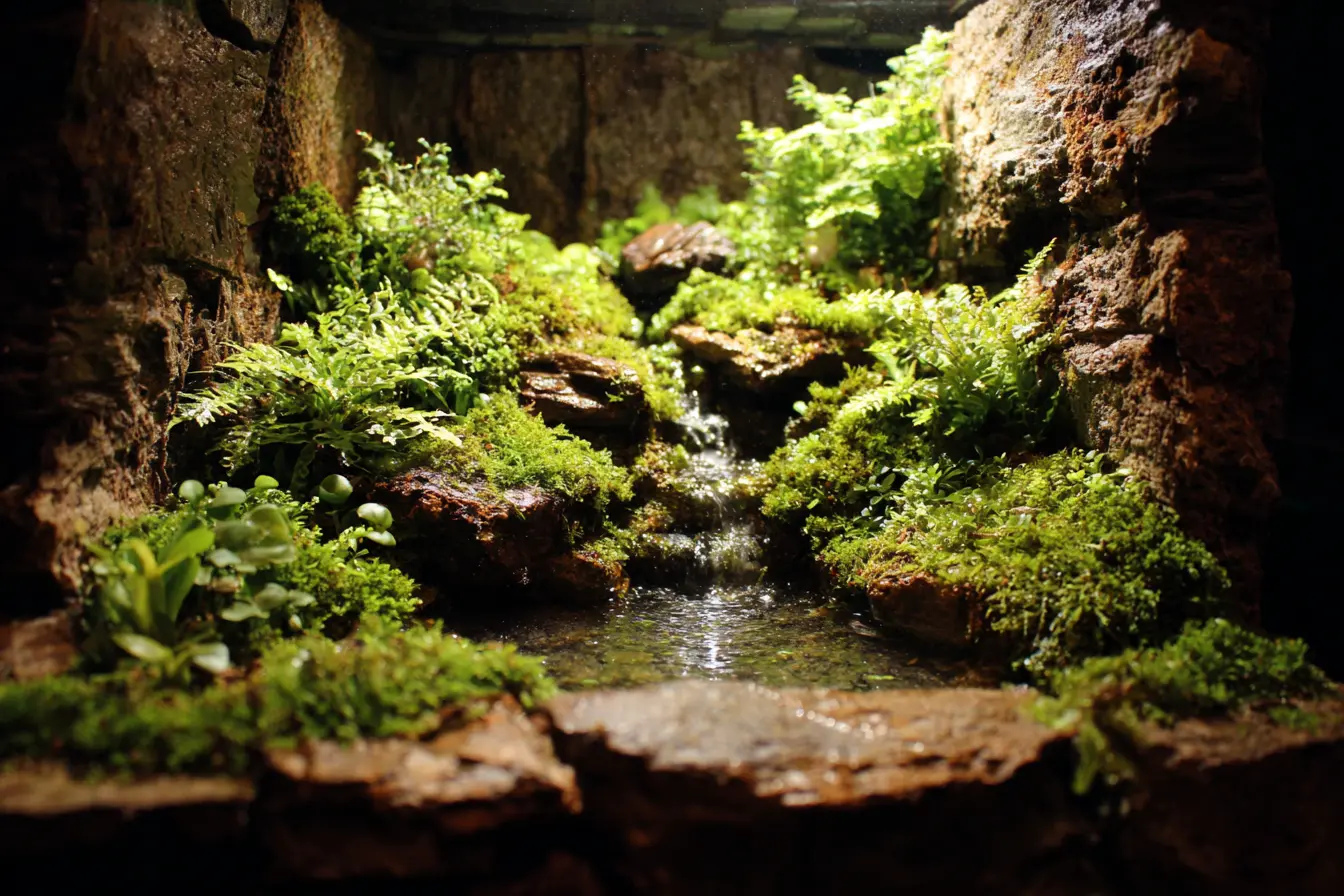
A paludarium is a unique and visually striking enclosure that combines both aquatic and terrestrial environments within a single system. It is ideal for semi-aquatic and aquatic species that naturally inhabit wetlands, riverbanks, swamps, and rainforest margins. From amphibians and aquatic reptiles to fish, invertebrates, and plants, a well-designed paludarium can closely replicate complex natural ecosystems.
This comprehensive guide will take you through everything you need to know to successfully set up a paludarium for aquatic species, covering enclosure choice, water and land design, filtration, heating, lighting, planting, maintenance, and common pitfalls. Whether you are a beginner or looking to refine an advanced setup, this guide is designed to be a complete reference.
Understanding the Needs of Aquatic and Semi-Aquatic Species
Aquatic species in paludariums rely on stable, clean water conditions and appropriate access to land (where applicable). Their needs will vary depending on whether the species is fully aquatic, semi-aquatic, or amphibious.
Key requirements typically include:
Clean, well-filtered water with stable parameters
Appropriate water depth for swimming and diving
Land or emergent areas for resting, basking, or feeding (if required)
High humidity for tropical species
Stable temperatures in both water and air
Adequate lighting for animals and plants
Many paludarium species are sensitive to rapid changes in water quality or temperature, making careful planning and monitoring essential.
Choosing the Right Enclosure
Size and Orientation
Paludariums benefit greatly from vertical space as well as surface area, particularly for planted land sections and climbing species.
Minimum size: 60 × 45 × 60 cm for small species
Medium setups: 90 × 45 × 60 cm or larger
Large or multi-species paludariums: 120 cm+ in length is recommended
Taller enclosures allow for dramatic hardscaping, water features, and better separation between aquatic and terrestrial zones.
Materials
Glass terrariums: The most common choice, offering clarity and compatibility with water
PVC enclosures: Excellent for heat and humidity retention but must be fully waterproof
Front-opening enclosures: Highly recommended for ease of maintenance and feeding
Ensure all seals are watertight, as paludariums place more strain on joints than dry terrariums.
Ventilation
Balancing humidity and airflow is critical:
Top ventilation helps reduce stagnant air
Front or side vents encourage gentle air exchange
Avoid excessive mesh, which can lead to rapid humidity loss
Good airflow helps prevent mould growth while maintaining a healthy environment.
Designing the Water-to-Land Ratio
One of the defining features of a paludarium is the balance between aquatic and terrestrial areas.
Common Layout Ratios
70% water / 30% land: Ideal for mostly aquatic species
50% water / 50% land: Suitable for amphibians and semi-aquatic reptiles
30% water / 70% land: Better for species that only require occasional water access
The ratio should be determined by the needs of the species, not aesthetics alone.
Creating Land Areas
Land sections can be created using:
Expanding foam coated with silicone and substrate
Cork bark backgrounds
Stacked rocks secured with aquarium-safe silicone
Egg crate or acrylic platforms
All land areas should be stable, non-slip, and easy for animals to access.
Substrate and Base Layers
Aquatic Substrate
The aquatic substrate should support plant growth while being safe for animals.
Aquatic soil: Ideal for planted paludariums
Fine sand: Suitable for bottom-dwelling species
Gravel: Use cautiously; avoid sharp edges
Depth of 5–8 cm is usually sufficient for most aquatic plants.
Terrestrial Substrate
The land section should retain moisture without becoming waterlogged.
Coconut fibre
Coco coir and soil mixes
Sphagnum moss
Leaf litter (for bioactive setups)
Drainage Layer
For the land portion:
Use clay balls or gravel as a drainage layer
Separate with mesh to prevent substrate mixing
This prevents root rot and stagnant conditions
Filtration and Water Quality
Water quality is one of the most critical aspects of a paludarium.
Filtration Options
Canister filters: Excellent for larger paludariums
Internal filters: Suitable for smaller setups
Sump systems: Advanced option for large or custom builds
Waterfall or stream filters: Combine filtration with aesthetics
Choose a filter rated for a larger volume than your actual water capacity to ensure effective filtration.
Water Parameters
Parameters will vary by species, but general guidelines include:
Temperature: 22–28°C for tropical species
pH: 6.0–7.5 for most amphibians and fish
Ammonia/Nitrite: Always 0
Nitrate: Kept as low as possible
Regular water testing is essential, especially during the initial cycling period.
Cycling the Paludarium
Cycle the aquatic section fully before adding animals
This process typically takes 4–6 weeks
Use beneficial bacteria to establish a stable nitrogen cycle
Never rush this stage, as uncycled water can be fatal.
Heating and Temperature Control
Water Heating
Submersible aquarium heaters are the most reliable option
Use a heater guard to prevent burns
Position near water flow for even heat distribution
Ambient Heating
Ceramic heat emitters or low-wattage heat lamps can raise air temperature
Heat mats may be used externally for terrestrial zones
Always use thermostats to regulate heat sources
Temperature Gradients
Provide slight variations:
Warmer basking or resting areas
Cooler zones in shaded or deeper water areas
This allows animals to thermoregulate naturally.
Humidity Management
Most paludariums maintain high humidity due to exposed water surfaces.
Ideal Humidity Levels
Tropical species: 70–90%
Temperate species: 50–70%
Maintaining Humidity
Regular misting (manual or automated)
Live plants to increase ambient moisture
Partial lids to retain humidity
Avoid excessive condensation, which can reduce airflow and visibility.
Lighting
General Lighting
Lighting serves both aesthetic and biological purposes.
LED aquarium lights for plant growth
Full-spectrum lighting to simulate natural daylight
10–12 hour light cycle using a timer
UVB Lighting
Required for some reptiles and amphibians
Low-level UVB (2–5%) is often sufficient
Ensure shaded areas are available to prevent overexposure
Always research species-specific UV requirements.
Planting the Paludarium
Live plants are highly recommended and provide both functional and visual benefits.
Aquatic Plants
Anubias
Java fern
Cryptocoryne
Floating plants for cover
Terrestrial and Emergent Plants
Bromeliads
Mosses
Pothos
Ferns
Orchids (advanced setups)
Plants help stabilise humidity, improve water quality, and provide shelter.
Water Features and Flow
Water movement should match the natural habitat of the species.
Still water for amphibians and slow-water species
Gentle flow for stream-dwelling species
Waterfalls and drip walls can improve oxygenation
Avoid strong currents unless required by the species.
Enrichment and Habitat Complexity
Complex environments encourage natural behaviours.
Enrichment Ideas
Driftwood and root systems
Leaf litter and natural debris
Varied terrain and hiding spots
Feeding in different locations
A dynamic environment reduces stress and improves overall health.
Cleaning and Maintenance
Daily
Check temperature and humidity
Observe animal behaviour
Top up evaporated water with dechlorinated water
Weekly
Clean filter intakes
Remove waste and decaying plant matter
Monthly
Partial water changes (10–25%)
Trim plants
Inspect seals, heaters, and electrical equipment
Never clean filters or substrate with untreated tap water, as this kills beneficial bacteria.
Common Mistakes to Avoid
Skipping the cycling process
Overstocking animals
Poor filtration
Using unsafe materials or adhesives
Ignoring species-specific needs
Allowing stagnant water to develop
Conclusion
A paludarium is one of the most rewarding enclosures you can create, offering a living slice of nature that supports aquatic and semi-aquatic species in a rich, complex environment. While they require careful planning and ongoing maintenance, the result is a stable, beautiful ecosystem that benefits both animals and keeper alike.
By understanding the balance between land and water, maintaining excellent water quality, and tailoring the setup to the needs of your species, you can create a paludarium that is not only visually stunning but also biologically sound and sustainable for years to come.
Quick questions
- What should I know about paludarium?
- This paludarium guide explains simple steps for paludarium setup and paludarium care for aquatic and semi-aquatic species. Choose the right enclosure size and material, and make sure seals and ventilation suit high humidity. Vet Verified can help you compare UK veterinary practices by location, species, services and opening hours before you call.
- When should I contact a vet about paludarium?
- Contact a veterinary practice if your pet seems unwell, symptoms are getting worse, you are unsure what to do, or the situation may be urgent. Vet Verified helps you compare practice details, but a vet should advise on your pet's current care.
- Can Vet Verified help me find exotic vets?
- Yes. Use Vet Verified to compare exotic vets across the UK, then check practice profiles and call directly to confirm current availability.
Find a vet
Find a veterinary practice
Compare UK veterinary practices related to this topic. Call the practice to confirm its current services and availability.