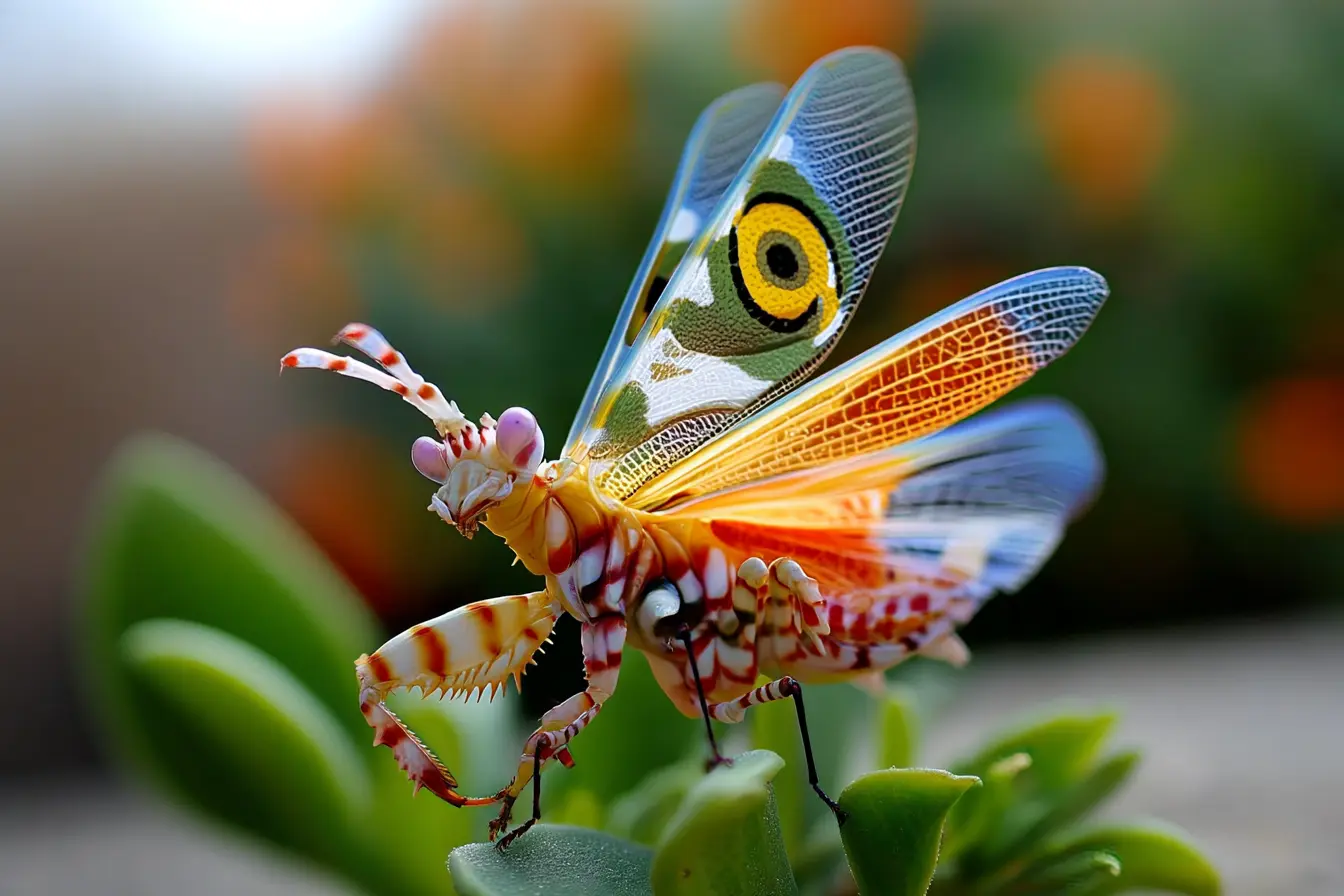
The African Flower Mantis (Pseudocreobotra wahlbergii) is one of the most visually striking mantis species available in the hobby. Native to sub-Saharan Africa, this small but spectacular mantis is famed for its bold colours, petal-like limbs, and dramatic threat display featuring vivid eye spots on its wings.
Highly active, fast-growing, and endlessly fascinating, the African Flower Mantis is an excellent choice for keepers who want a true display insect with strong personality and flair.
Why Choose an African Flower Mantis?
This species is popular with both beginners and experienced keepers due to its manageable size and engaging behaviour.
Stunning Appearance: White, green, pink, and yellow tones with ornate wing patterns.
Impressive Threat Display: Raises wings to reveal bright eyespots when startled.
Active and Alert: Frequently visible and responsive to movement.
Fast Growth Cycle: Very rewarding to raise from nymph to adult.
Despite its delicate look, this mantis is surprisingly bold and confident.
Housing Your African Flower Mantis
Enclosure
As an arboreal species, vertical space and ventilation are essential.
Size: The enclosure should be at least 3x the mantis’ height in vertical space and 2x its length in width.
Type: Mesh or acrylic enclosures with excellent ventilation are ideal.
Ventilation: High ventilation is critical. Poor airflow is the leading cause of health issues.
For adults, a 20x20x30 cm enclosure works well.
Decor and Furnishings
Twigs and Branches: Provide multiple vertical and angled perches.
Artificial or Live Plants: Offer cover and climbing surfaces.
Mesh or Fabric Ceiling: Essential for safe moulting; never use metal mesh.
The mantis must be able to hang upside down freely to moult successfully.
Temperature and Humidity
African Flower Mantises thrive in warm, lightly humid conditions.
Temperature: 24–28°C during the day, with a slight drop at night.
Heating: Use a heat mat or heat cable on the side of the enclosure if required.
Humidity: 50–60% is ideal. Lightly mist once daily, allowing the enclosure to dry between sprays.
Excess humidity without ventilation can be fatal, airflow matters more than moisture.
Feeding Your African Flower Mantis
Diet
This species is a keen hunter and benefits from a varied diet of live insects.
Fruit Flies (for nymphs)
House Flies
Green or Blue Bottle Flies
Small Crickets or Locust Hoppers (for adults)
Feed nymphs every 1–2 days and adults every 2–4 days. Prey should never be larger than the mantis’ head.
Remove uneaten prey after feeding sessions.
Water
Mantises do not drink from bowls.
Hydration is provided through daily misting, allowing droplets to form on leaves and enclosure walls.
Ensure droplets are small to prevent drowning, especially for younger nymphs.
Handling and Temperament
African Flower Mantises are alert and fast but generally tolerant of gentle interaction.
Can Be Hand-Walked: Some individuals tolerate brief handling.
Fast Reflexes: Sudden movements may trigger defensive behaviour.
Fragile Body: Always handle with care, supporting the mantis fully.
Handling should be occasional and calm, never forced.
Health and Common Issues
Most problems arise from incorrect housing rather than diet.
Common issues include:
Failed Moults: Usually caused by low humidity or lack of hanging space.
Dehydration: Leads to lethargy and poor feeding response.
Poor Ventilation: Can cause bacterial or fungal infections.
Moulting
Signs of an upcoming moult include:
Reduced appetite.
Increased hanging behaviour.
Periods of inactivity.
Do not disturb the mantis during moulting. Wait 24–48 hours after a moult before feeding.
Lifespan and Behaviour
Lifespan: Around 6–9 months.
Growth Rate: Rapid, with frequent moults.
Cannibalism: This species is strictly solitary and must be housed alone.
Females are larger and broader than males, while males are slimmer and more active.
Legal and Ethical Considerations
African Flower Mantises are legal to keep in the UK.
Always purchase from reputable breeders or specialist invert suppliers.
Captive-bred specimens are strongly preferred.
Never release non-native species into the wild.
Cost of Ownership
The African Flower Mantis is affordable and low-cost to maintain.
Mantis (nymph): £8–£20.
Enclosure Setup: £25–£50.
Food Cultures: £3–£10 per month.
Utilities: Minimal.
Conclusion
The African Flower Mantis is one of the most visually captivating mantis species in the hobby. Its vivid colours, dramatic displays, and active nature make it a standout display insect, perfect for observation and photography.
While delicate and short-lived, the African Flower Mantis rewards attentive care with constant activity and striking behaviour. For anyone seeking a beautiful, engaging, and manageable mantis species, the African Flower mantis is an exceptional choice.
Quick questions
- What should I know about african flower mantis?
- African Flower Mantis (Pseudocreobotra wahlbergii) is a small, colourful mantis from sub-Saharan Africa with petal-like limbs and bright eye spots. Vet Verified can help you compare UK veterinary practices by location, species, services and opening hours before you call.
- When should I contact a vet about african flower mantis?
- Contact a veterinary practice if your pet seems unwell, symptoms are getting worse, you are unsure what to do, or the situation may be urgent. Vet Verified helps you compare practice details, but a vet should advise on your pet's current care.
- Can Vet Verified help me find exotic vets?
- Yes. Use Vet Verified to compare exotic vets across the UK, then check practice profiles and call directly to confirm current availability.
Find a vet
Find a veterinary practice
Compare UK veterinary practices related to this topic. Call the practice to confirm its current services and availability.