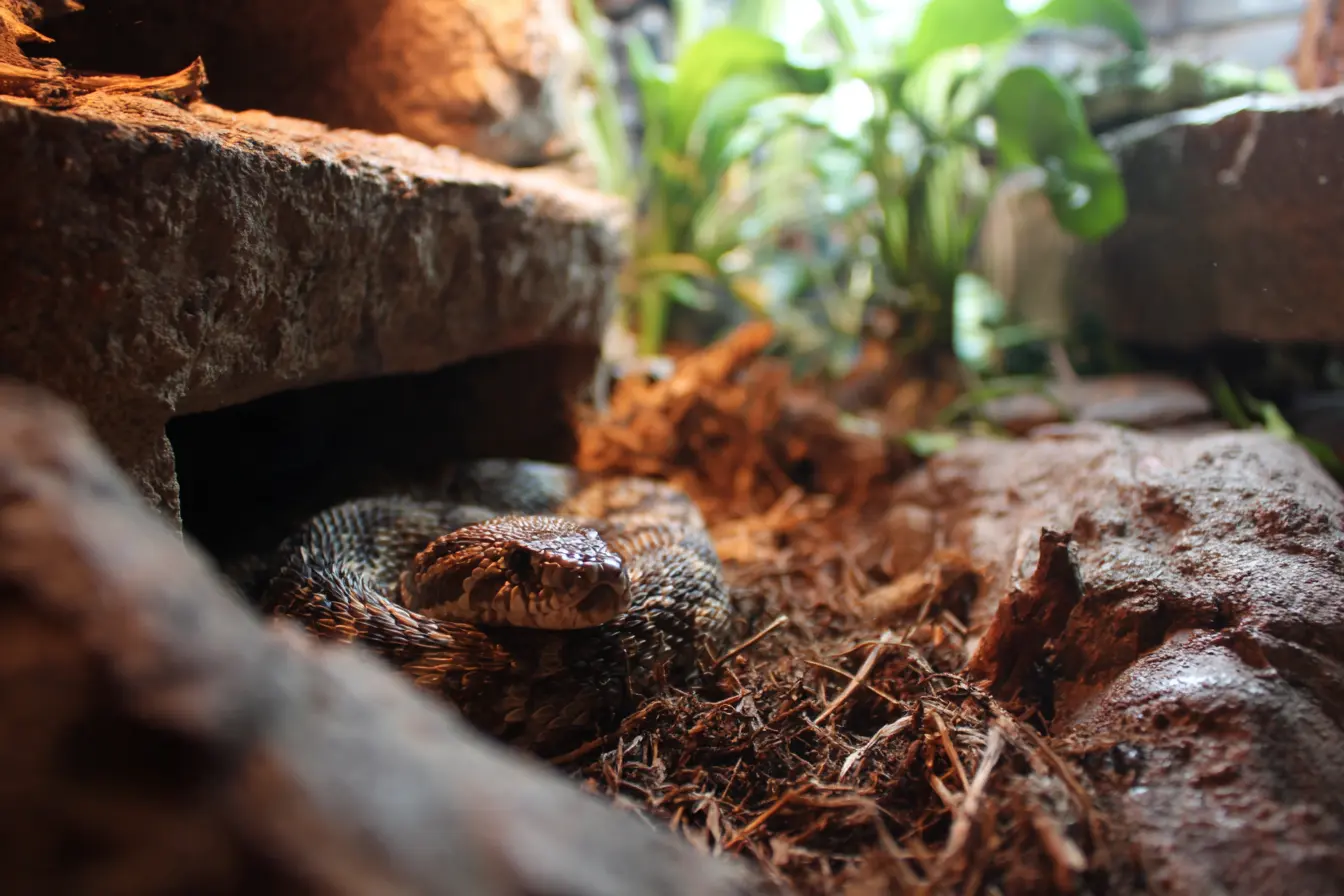
Mould is more than just an aesthetic issue in a terrarium that houses live animals. While some fungal growth can be normal, particularly in humid or newly established setups, uncontrolled mould poses real health risks to reptiles, amphibians, and invertebrates. Species-housing terrariums must strike a careful balance between moisture, airflow, cleanliness, and biological activity to keep animals safe.
This guide focuses on managing mould in terrariums that contain living species, explaining why mould is dangerous, which animals are most at risk, how to remove mould safely without harming inhabitants, and how to prevent it long-term.
Why Mould Is a Serious Issue in Species-Housing Terrariums
Terrariums designed for animals often replicate warm, humid environments, conditions that also favour fungal growth. Mould develops when moisture, organic material, and poor airflow combine, and animal enclosures provide all three.
In a species-housing terrarium, mould is especially concerning because:
Animals are confined and cannot escape poor conditions
Many species have sensitive respiratory systems or permeable skin
Spores can build up quickly in enclosed spaces
Chronic exposure causes stress and immune suppression
Even mould that appears “minor” can become dangerous if conditions remain uncorrected.
Which Species Are Most at Risk?
Amphibians (Highest Risk)
Amphibians are the most vulnerable to mould-related issues due to their:
Highly permeable skin
Reliance on cutaneous respiration
Sensitivity to airborne spores and toxins
Risks include:
Skin infections
Respiratory distress
Lethargy and appetite loss
Increased susceptibility to bacterial disease
For frogs, salamanders, and newts, mould should always be treated as a priority issue.
Reptiles
Reptiles are less sensitive than amphibians but still at risk, particularly in humid species.
Potential problems include:
Respiratory infections
Skin irritation or scale rot
Eye irritation from airborne spores
Stress-related immune suppression
Species such as geckos, anoles, skinks, and snakes from tropical climates are especially affected by persistent mould.
Invertebrates
Invertebrates vary widely in tolerance.
Some (e.g. springtails) consume mould and are beneficial
Others (e.g. tarantulas, mantids, beetles) are highly sensitive to stagnant, mouldy air
Mould can cause:
Respiratory failure in tracheal-breathing species
Increased mortality during moulting
Collapse of delicate microclimates
Invertebrate enclosures often show mould early due to small size and limited airflow.
Common Causes of Mould in Animal Enclosures
In species-housing terrariums, mould usually appears due to husbandry imbalance rather than neglect.
Common causes include:
Over-misting to “be safe”
Poor ventilation in high-humidity setups
Uneaten food left too long
Animal waste accumulating in substrate
Constantly wet hides or decor
New bioactive setups that have not stabilised
Insufficient clean-up crew populations
Mould is often a symptom, not the root problem.
Why Leaving Mould Is Dangerous
Allowing mould to persist can lead to:
Chronic respiratory irritation
Secondary infections
Long-term stress
Reduced feeding response
Shortened lifespan
Animals may not show obvious symptoms until damage has already occurred, particularly reptiles, which often mask illness.
How to Safely Remove Mould in an Occupied Terrarium
Step 1: Assess Animal Safety First
If mould is:
Widespread
Black or dark green
Producing a strong musty smell
Consider temporarily relocating the animal to a clean, safe enclosure while addressing the issue.
Step 2: Remove Contaminated Materials
Remove mouldy food, decor, leaf litter, or substrate
Dispose of it outside the room
Avoid shaking or scraping aggressively, which releases spores
Never attempt to “dry out” mouldy substrate, replacement is safer.
Step 3: Spot Clean Without Chemicals
Use warm water and a clean cloth for hard surfaces
Replace affected substrate entirely
Rinse decor thoroughly and allow it to dry before reuse
Do not use:
Bleach
Disinfectants
Vinegar
Essential oils
Chemical residues are extremely dangerous to terrarium species.
Step 4: Correct Environmental Conditions
Removal alone will not solve the issue unless conditions are corrected:
Reduce misting frequency
Improve airflow
Allow safe drying cycles
Check humidity against species-specific requirements
Preventing Mould Without Harming Species
Ventilation Is Essential for Animal Health
High humidity does not mean stagnant air.
Ensure cross-ventilation where possible
Avoid sealing vents to “hold humidity”
Slight airflow reduces mould without harming animals
For large setups, passive airflow is often sufficient
Good ventilation lowers spore concentration and improves respiratory health.
Control Moisture, Not Just Humidity
Many keepers confuse humidity with wetness.
Substrate should be damp, not saturated
Surfaces should dry between misting
Hides should not be constantly wet unless species-specific
Monitor humidity digitally rather than guessing
Constantly wet conditions are far more dangerous than slightly lower humidity.
Bioactive Setups and Mould Management
Clean-Up Crews as a Defence System
In species-housing bioactive terrariums, clean-up crews are essential, not optional.
Key species include:
Springtails (primary mould consumers)
Isopods (break down waste and decaying matter)
A healthy clean-up crew:
Consumes fungal growth
Prevents waste buildup
Reduces harmful bacteria
Stabilises the ecosystem
If mould appears repeatedly, the clean-up crew is often insufficient.
New Bioactive Terrariums
Mould is common in the first 4–8 weeks of a bioactive setup.
This is normal if:
It is white or light grey
It appears briefly and recedes
Clean-up crews are active
Persistent mould beyond this period indicates imbalance and should be addressed.
Feeding Practices and Species Safety
Food left too long is one of the biggest mould triggers.
Remove uneaten food promptly
Use feeding dishes where possible
Avoid burying soft foods in substrate
Reduce portion sizes
This is especially important for amphibians and invertebrates.
Decor and Hides: Hidden Danger Zones
Mould often develops where animals spend the most time.
High-risk areas include:
Constantly damp hides
Cork bark pressed against wet substrate
Decor with no airflow underneath
Backgrounds exposed to misting but never drying
Rotate and inspect hides regularly to prevent chronic exposure.
Warning Signs in Animals
Seek immediate correction if animals show:
Wheezing or open-mouth breathing
Excessive hiding or lethargy
Reduced appetite
Unusual skin shedding or lesions
Increased surface breathing in amphibians
These can indicate environmental stress or respiratory compromise.
Common Mistakes That Put Animals at Risk
Ignoring mould because “it’s natural”
Over-misting out of caution
Prioritising humidity over airflow
Using household cleaners
Leaving mould to be consumed without addressing the cause
Assuming animals will adapt
Animals cannot adapt to poor air quality in enclosed systems.
Conclusion
In terrariums that house live species, mould is not just a cosmetic problem, it is a husbandry issue with direct health implications. Amphibians, reptiles, and invertebrates all face risks from prolonged exposure to fungal growth and airborne spores.
By managing ventilation, controlling moisture rather than over-humidifying, maintaining clean-up crews, and responding early to mould growth, you can create a stable environment that supports both the ecosystem and the animals within it.
A healthy terrarium is not sterile, but it is balanced, breathable, and safe for the species that depend on it.
Quick questions
- What should I know about mould in terrariums?
- Mould in a terrarium with live animals can cause serious health problems, especially for amphibians, humid-climate reptiles and sensitive invertebrates. Vet Verified can help you compare UK veterinary practices by location, species, services and opening hours before you call.
- When should I contact a vet about mould in terrariums?
- Contact a veterinary practice if your pet seems unwell, symptoms are getting worse, you are unsure what to do, or the situation may be urgent. Vet Verified helps you compare practice details, but a vet should advise on your pet's current care.
- Can Vet Verified help me find exotic vets?
- Yes. Use Vet Verified to compare exotic vets across the UK, then check practice profiles and call directly to confirm current availability.
Find a vet
Find a veterinary practice
Compare UK veterinary practices related to this topic. Call the practice to confirm its current services and availability.