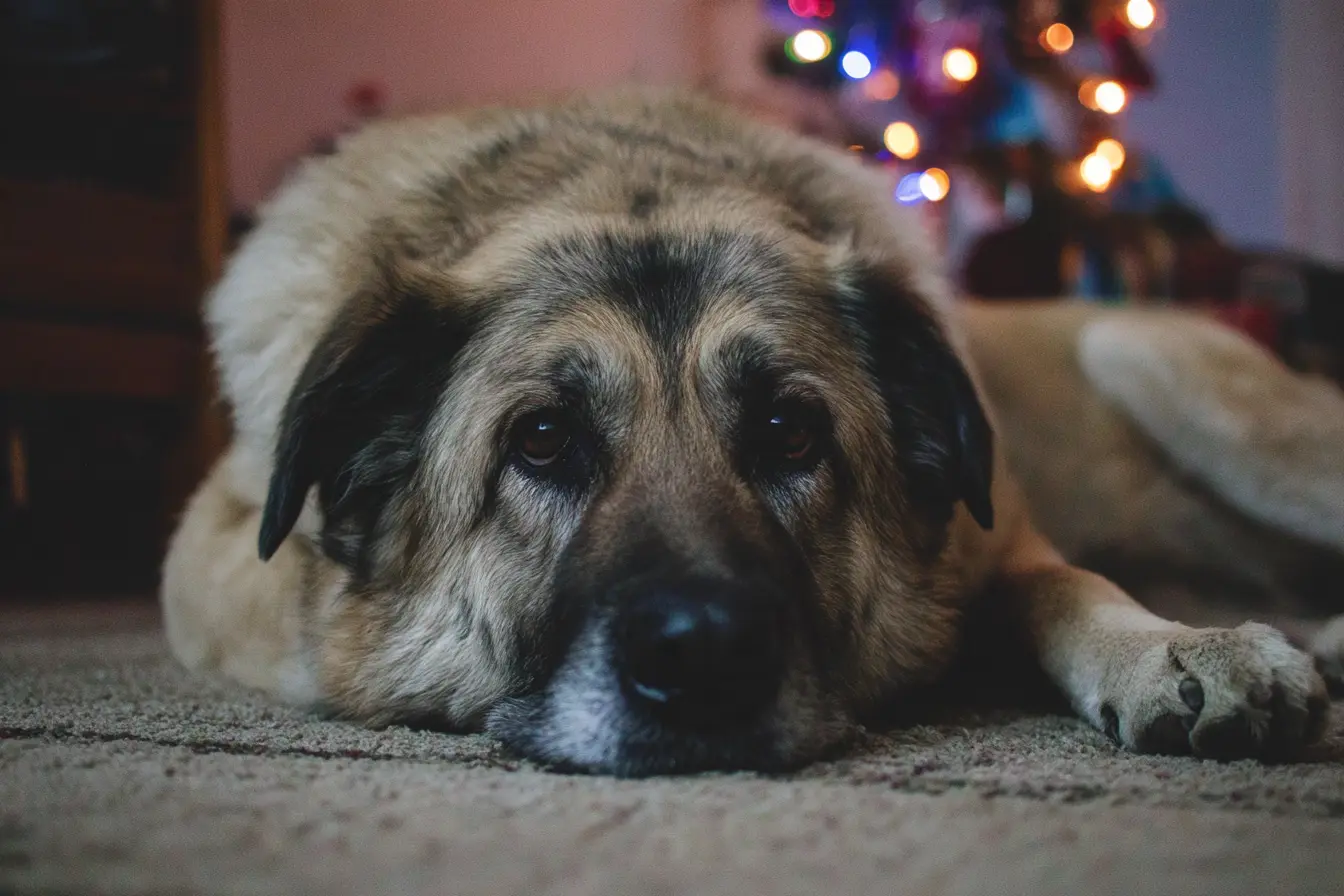
You may be wondering whether your pet will be scared, whether you should stay with them, or what you might see afterwards. For your pet, the procedure itself is quick and painless, and a sedative can help if they are anxious. Knowing what usually happens can make a very sad appointment a little easier to face.
Pet euthanasia is often called putting a pet to sleep. It is used to end a pet’s life without pain or distress when a vet and owner agree it is the kindest option. The details can vary depending on your pet’s species, health and how they are feeling that day, so your vet will explain the plan for your own pet and answer any questions you have.
Before the appointment
If there is time to plan, tell the practice that you are booking a euthanasia appointment. They can talk through the timing, what will happen when you arrive and the choices available to you. Some practices can send a vet to your home, although not all can, so ask. A home visit may suit a pet that finds the journey or the practice stressful, while other owners prefer the support and familiar setting of the surgery.
If you can, sort out practical details before the appointment, when you have more headspace. A member of the team may talk to you about payment and what will happen to your pet’s body afterwards. You will also be asked to sign a consent form giving the vet permission to go ahead. Having these conversations in advance can mean you have more time to focus on your pet when you arrive.
Ask whether you can have a quiet room and whether a friend or family member can come with you. If you are worried you will forget something, write down the questions you want to ask. The questions at the end of this article are a good place to start.
If your pet is suffering, your vet may advise that euthanasia should happen straight away to protect their welfare. Even when this comes as a shock, the team will try to give you a few quiet moments to say goodbye.
What happens at the appointment
The team will try to keep the appointment calm and give you privacy. You can usually sit near your pet, stroke them and speak to them if that feels right. You do not need to say or do anything in particular. It is fine to sit quietly, or to be too upset to talk.
Before the procedure, the vet will explain what they are going to do. They will check that you understand and are happy for them to go ahead. Tell them if you want them to talk you through each step, or if you would rather have less detail at the time.
Some pets are given a light sedative before euthanasia, particularly if they are stressed or agitated. It helps them feel calm and sleepy. The vet may also place a small tube, called a catheter, into a vein so the medicine can be given quickly. Sometimes this is done in another area of the practice, but your pet should be brought back to you before the final injection.
For most dogs and cats, the vet injects the medicine into a vein, usually in a front leg, while a nurse gently holds your pet. Your pet may feel a brief sharp scratch. If your pet is very old or frail, the vet may inject somewhere else on the body. The medicine is an anaesthetic given at a much higher dose than normal. Your pet falls unconscious within a few seconds, so they are not aware when their breathing and heart stop a short time later. The vet then listens to their chest with a stethoscope to confirm that they have died.
Many small pets, such as hamsters, are given a gas anaesthetic before the final injection. As people should not breathe in this gas, you may not be able to stay in the room for that part of the procedure. Ask the vet to explain the plan before it starts, especially if your pet is not a dog or cat.
What you may see afterwards
The process is usually peaceful, though a few normal changes can be upsetting when you are not expecting them. Once your pet has died, their eyes may stay open. Their muscles relax, so they may pass urine or faeces.
You may also see twitching or trembling, or hear a few deeper gasping sounds. These are reflex actions after death. They do not mean your pet is awake, in pain or struggling. The vet will confirm when your pet has died and can explain anything you see that worries you.
Choosing whether to stay
Whether you stay with your pet is a personal decision. Some people want to be beside their pet throughout, offering a familiar voice and touch. Others want to say goodbye before the injection, step outside for the procedure, or return afterwards. None of these choices says anything about how much you love your pet.
You can change your mind, too. If you planned to stay and find it is too much, it is all right to leave the room. Your veterinary team should not pressure you either way. They know this is a painful moment and can help you choose what feels manageable.
If children are involved, explain clearly what is happening beforehand in words they understand. The phrase “put to sleep” can be confusing because children know that sleep is something people wake up from. It may be kinder to say that the vet will give medicine to stop the pet’s body working because they are very ill or suffering, and that they will not wake up afterwards. Whether a child comes to the appointment is a family choice.
Arrangements after your pet has died
After the vet has confirmed your pet’s death, you will usually be given time alone with them. There is no right way to use those minutes. You may want to sit quietly, stroke them, say a few words, or leave when you are ready.
Your practice can explain the aftercare choices and what each costs. With an individual cremation, your pet is cremated alone and the ashes are returned to you. With a communal cremation, pets are cremated together and the ashes are not returned. Some owners prefer to bury their pet at home or in a pet cemetery. There are rules about where you can bury a pet, so ask your vet before you decide. If you are not ready to choose, the practice can usually look after your pet’s body for a short time while you think. Ask about all of this before the appointment so you do not need to make every decision in the room.
Saying goodbye can bring many feelings, including sadness, guilt and relief that a pet’s suffering has ended. There is no timetable for grief and no single way to react. If you are struggling, talk to someone you trust or your GP. Blue Cross runs a free, confidential Pet Loss Support service on 0800 096 6606, open 8.30am to 8.30pm every day, with webchat and email too. It also supports people who are expecting to lose a pet, so you can call before the appointment as well as afterwards.
Questions worth asking your vet
You do not need to know all the answers before you arrive. Start with the parts that matter most to you:
Can my pet have a sedative if they are worried or unsettled?
Can I stay with my pet during the procedure, or come back in afterwards?
Will a catheter be used, and will my pet be away from me while it is placed?
What aftercare options are available, including cremation and the return of ashes?
How much time can I have with my pet after they have died?
Let them know if you need things explained again, want a little more time, or have a particular wish for your pet’s final moments.
Quick questions
- What should I know about what happens during pet euthanasia?
- Pet euthanasia is a calm, painless way to end a pet’s suffering when it is the kindest option. Vet Verified can help you compare UK veterinary practices by location, species, services and opening hours before you call.
- When should I contact a vet about what happens during pet euthanasia?
- Contact a veterinary practice if your pet seems unwell, symptoms are getting worse, you are unsure what to do, or the situation may be urgent. Vet Verified helps you compare practice details, but a vet should advise on your pet's current care.
- Can Vet Verified help me find dog vets?
- Yes. Use Vet Verified to compare dog vets across the UK, then check practice profiles and call directly to confirm current availability.
Find a vet
Find a veterinary practice
Compare UK veterinary practices related to this topic. Call the practice to confirm its current services and availability.
Search by species
- Dog vets Find UK veterinary practices that list care for dogs. Compare opening hours, services, facilities and verified profiles, then contact a practice directly.
- Cat vets Find UK veterinary practices that list care for cats. Compare opening hours, services, facilities and verified profiles, then contact a practice directly.