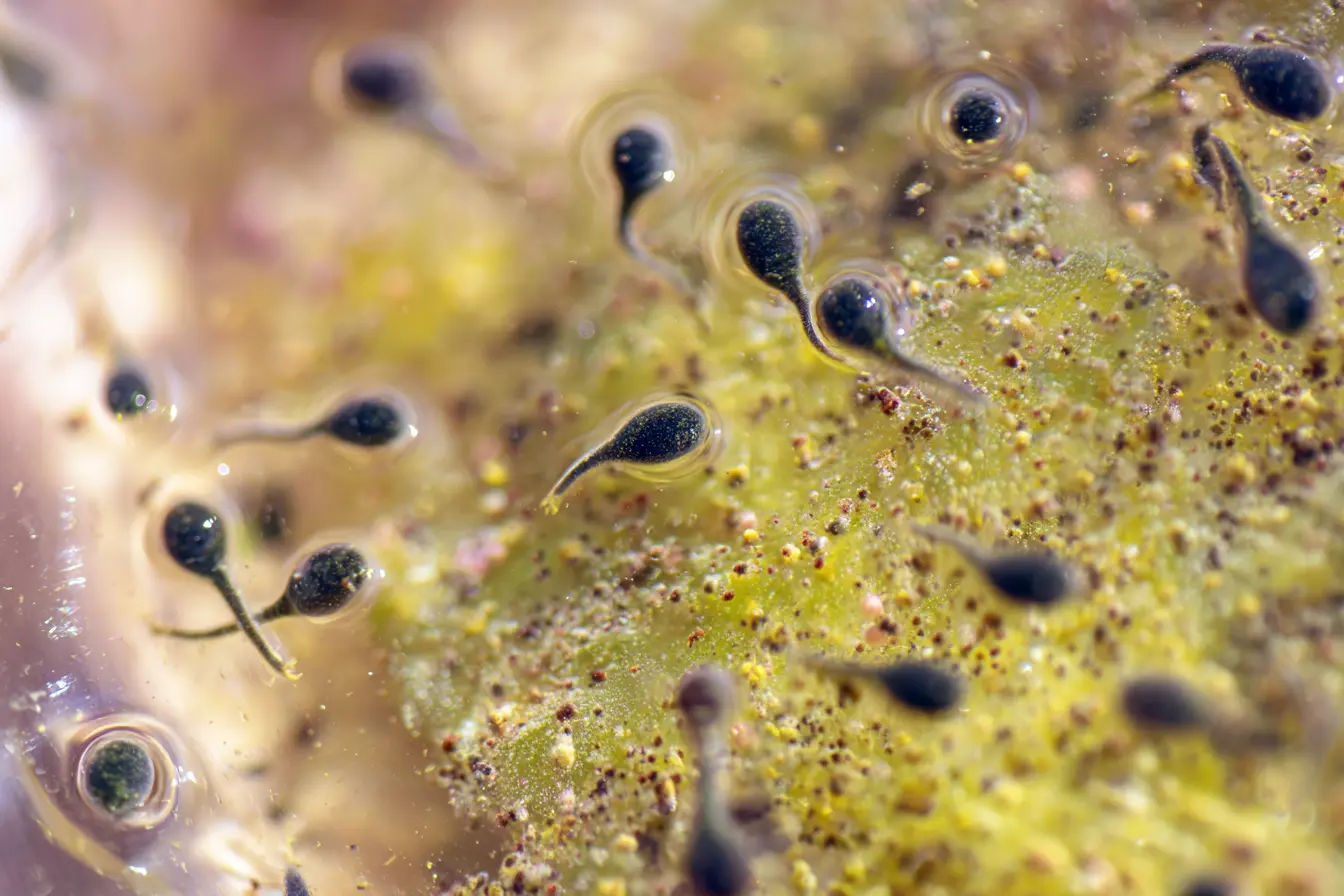
Raising tadpoles is a fascinating and rewarding experience for amphibian enthusiasts, offering a front-row seat to the incredible transformation from egg to adult. Whether you’re breeding frogs intentionally or raising tadpoles from eggs you’ve acquired, providing the right environment is essential for healthy development and a high survival rate.
This guide will walk you through everything you need to set up a safe, clean, and nourishing habitat for your tadpoles.
Understanding Tadpole Needs
Tadpoles are fully aquatic, gill-breathing larvae that require:
Clean, fresh water
Appropriate temperatures
Nutritious, suitable food
Safe, predator-free environments
Gradual transitions to land as they undergo metamorphosis
Their needs change significantly during development, so it’s important to adapt their environment as they grow.
Choosing the Right Tank Setup
Tank Size
A 30 litre (8 gallon) container or aquarium is suitable for small clutches of tadpoles (20–30 individuals).
For larger numbers, scale up accordingly—avoid overcrowding to prevent poor water quality and stunted growth.
Clean, plastic tubs can be used for temporary rearing but aquariums are ideal for long-term care and observation.
Water Source
Use dechlorinated tap water, aged tap water, or spring water.
Avoid distilled water, as it lacks minerals crucial for tadpole development.
Let tap water sit for 24–48 hours or treat with a safe dechlorinating agent before use.
Filtration and Water Flow
Gentle filtration is recommended, such as a sponge filter, to maintain water quality without creating strong currents.
Tadpoles are weak swimmers; too much flow can cause stress or injury.
Aeration
An air stone connected to a basic air pump is beneficial for oxygenating the water.
Tadpoles do not require fast-moving water but benefit from well-oxygenated conditions.
Substrate and Decorations
Substrate
A bare-bottom tank makes cleaning easier and prevents debris buildup.
Alternatively, a thin layer of fine sand can be used to encourage natural foraging behaviours.
Avoid gravel or coarse substrate, as tadpoles may accidentally ingest it.
Decorations
Include smooth stones or aquatic plants (live or artificial) for cover.
Live aquatic plants (like java moss or anacharis) improve water quality and offer grazing surfaces.
Floating plants also help reduce light intensity and provide hiding places.
Temperature Requirements
Ideal Temperature Range
Most species thrive between 18–24°C (64–75°F).
Tropical species may require slightly warmer temperatures (up to 26°C), while temperate species do well in cooler conditions.
Use an aquarium heater if necessary, controlled by a thermostat to avoid overheating.
Stability
Temperature stability is crucial—sudden drops or spikes can cause stress, illness, or deformities.
Lighting
Tadpoles do not require specialised lighting but benefit from a natural day-night cycle (12 hours light/12 hours dark).
Low-intensity aquarium lighting is sufficient, especially if live plants are present.
Avoid direct sunlight to prevent overheating and algae blooms.
Feeding Tadpoles
Diet Stages
Early-stage tadpoles (herbivorous): Feed finely crushed algae wafers, boiled leafy greens (spinach, lettuce), or specialised tadpole pellets.
Mid-stage tadpoles: As they develop, introduce higher protein foods like fish flakes, brine shrimp, or microworms depending on species.
Late-stage tadpoles (pre-metamorphosis): Require more protein to support limb growth and metamorphosis.
Feeding Frequency
Feed small amounts 1–2 times per day, removing uneaten food to maintain water quality.
Water Maintenance
Water Changes
Perform 25–50% partial water changes every 2–3 days or more frequently if the tank is heavily stocked.
Always use temperature-matched, dechlorinated water.
Regular maintenance is critical—poor water quality is the leading cause of tadpole mortality.
Cleaning Tips
Use a siphon or turkey baster to remove debris and waste from the bottom of the tank.
Clean filters gently in tank water during water changes to preserve beneficial bacteria.
Preparing for Metamorphosis
Land Access
As tadpoles develop limbs (particularly front legs), lower the water level slightly and provide floating platforms or sloped land areas (e.g., cork bark, rocks) to allow easy access to air.
Transition to Froglets
When they reach froglet stage (absorbing their tail), move them to a shallow, terrestrial setup with high humidity and easy access to shallow water.
Common Mistakes to Avoid
Overcrowding: Leads to stress, deformities, and high mortality.
Poor water quality: Causes rapid health decline; regular water changes are vital.
Overfeeding: Can foul the water quickly; feed small amounts frequently.
Incorrect temperatures: Too hot or too cold can slow development or cause death.
Neglecting land access during metamorphosis: Leads to drowning of juvenile frogs.
Conclusion
Setting up a proper environment for tadpoles is straightforward with attention to clean water, correct temperatures, appropriate feeding, and gradual preparation for metamorphosis. By providing these basics, you’ll be rewarded with healthy, vibrant young amphibians and the incredible experience of witnessing their transformation first-hand.
With the right setup and care, you can help ensure your tadpoles thrive and successfully complete their remarkable journey from egg to adult frog.
Quick questions
- What should I know about tadpoles?
- Learn how to raise tadpoles successfully by setting up a suitable environment. Use a 30-litre aquarium with dechlorinated water and gentle filtration. Maintain water quality with regular changes and provide the right temperatures. Vet Verified can help you compare UK veterinary practices by location, species, services and opening hours before you call.
- When should I contact a vet about tadpoles?
- Contact a veterinary practice if your pet seems unwell, symptoms are getting worse, you are unsure what to do, or the situation may be urgent. Vet Verified helps you compare practice details, but a vet should advise on your pet's current care.
- Can Vet Verified help me find exotic vets?
- Yes. Use Vet Verified to compare exotic vets across the UK, then check practice profiles and call directly to confirm current availability.
Find a vet
Find a veterinary practice
Compare UK veterinary practices related to this topic. Call the practice to confirm its current services and availability.